Neha Yadav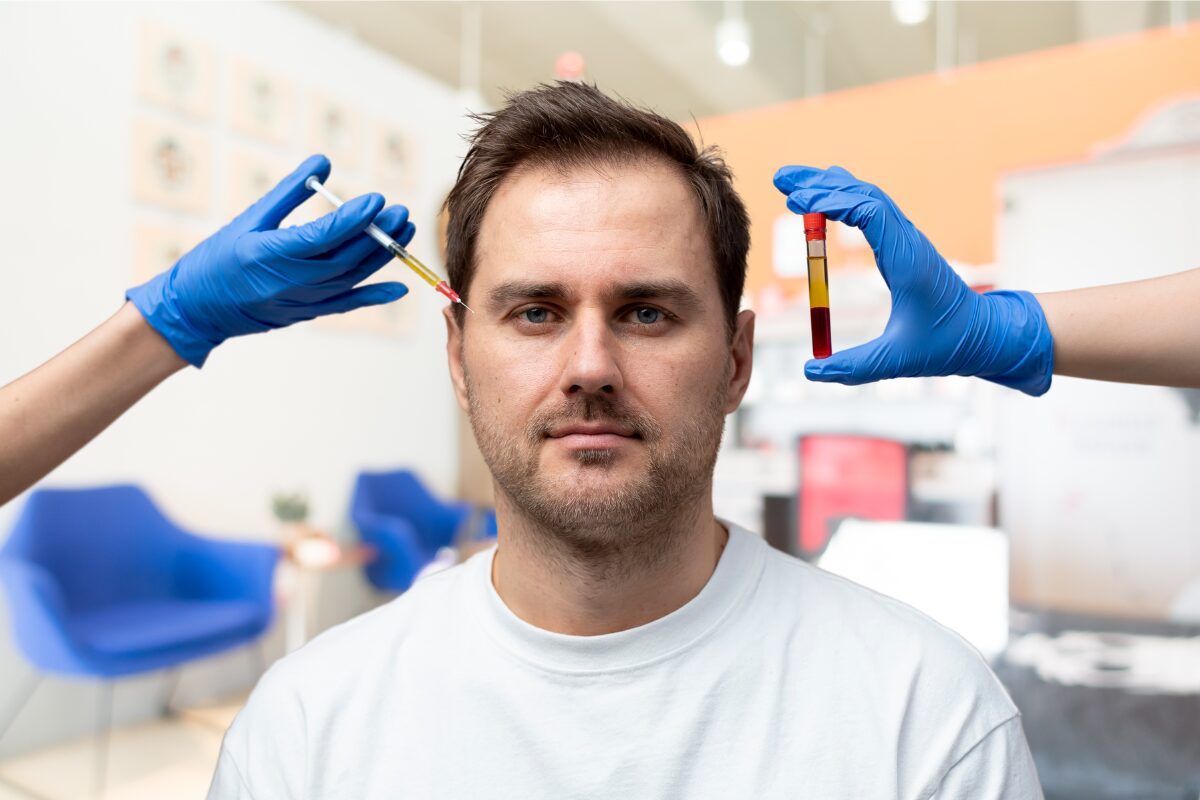
The Vampire Facial — Bloodier Than It Sounds, Better Than You Think
The Vampire Facial may sound dramatic, but it’s actually one of the most natural and scientifically backed skin rejuvenation treatments available today. Popularized by celebrities and trending across social media, this procedure uses your body’s own healing power to restore glow, firmness, and youthful texture.
Why This Treatment Has the Internet Talking
Unlike chemical-based treatments, a Vampire Facial relies on your own blood-derived growth factors to improve skin quality. It’s minimally invasive, requires little downtime, and delivers visible improvements in tone and texture — making it highly appealing.
How It Got Its Dramatic Name
The name comes from the use of platelet-rich plasma (PRP) extracted from your blood. While the treatment involves a small blood draw, it’s far from scary — and much more sophisticated than it sounds.
Who Is It Really For?
This treatment is ideal for individuals looking to:
- Reduce fine lines and wrinkles
- Improve acne scars
- Minimize pigmentation
- Enhance overall skin glow
- Tighten and smooth skin naturally
What Exactly Is a Vampire Facial?
Definition: PRP + Microneedling Explained Simply
A Vampire Facial combines PRP (Platelet-Rich Plasma) therapy with microneedling. Microneedling creates tiny micro-injuries in the skin, and PRP is applied to boost healing and collagen production.
What “PRP” Stands For and What It Does
PRP stands for Platelet-Rich Plasma. Platelets contain powerful growth factors that:
- Repair damaged tissue
- Stimulate collagen and elastin
- Improve blood flow
- Accelerate skin regeneration
The Role of Your Own Blood
A small amount of your blood is drawn and spun in a centrifuge to separate the platelet-rich plasma. This golden serum is then applied back onto your skin — meaning the treatment is 100% autologous (from your own body).
Vampire Facial vs. Vampire Facelift — Key Differences
- Vampire Facial:PRP + microneedling for skin texture and glow.
- Vampire Facelift:PRP + dermal fillers to restore facial volume.
They sound similar but serve different purposes.
How Does PRP Skin Treatment Actually Work?
The Biology of Platelets and Growth Factors
Platelets are rich in proteins known as growth factors. These molecules signal your skin cells to repair, regenerate, and produce new collagen.
How PRP Stimulates Collagen Production
Collagen is the structural protein responsible for firm, youthful skin. PRP activates fibroblast cells, increasing collagen synthesis and improving elasticity over time.
The Microneedling Connection
Microneedling creates controlled microchannels in the skin. These channels:
- Trigger natural wound healing
- Allow deeper PRP penetration
- Multiply collagen-stimulating effects
What Happens at the Cellular Level
At a microscopic level, PRP enhances cell turnover, boosts new blood vessel formation, and improves tissue remodeling — leading to smoother, brighter skin.
Step-by-Step: What to Expect During Your Appointment
1. Blood Draw and Centrifuge Process
A small blood sample is taken and placed in a centrifuge to separate PRP.
2. Skin Preparation and Numbing
Your face is cleansed, and a topical anesthetic is applied to minimize discomfort.
3. Microneedling + PRP Application
A microneedling device creates tiny punctures while PRP is applied across the skin for maximum absorption.
How Long Does the Procedure Take?
Typically 45–60 minutes.
Does It Hurt?
Most patients describe it as mild discomfort. Numbing cream significantly reduces pain.
Is the Vampire Facial Right for You?
Ideal Candidates
- Early signs of aging
- Dull or uneven skin tone
- Acne scarring
- Mild skin laxity
Who Should Avoid PRP Treatment?
- Pregnant or breastfeeding women
- Individuals with blood disorders
- Active skin infections
- Severe platelet dysfunction
Questions to Ask Your Dermatologist
- Am I a suitable candidate?
- How many sessions will I need?
- What results can I realistically expect?
Aftercare, Downtime & Recovery Tips
Immediately After
Skin appears red, similar to a mild sunburn, with slight swelling.
Day-by-Day Recovery Timeline
- Day 1–2:Redness and mild sensitivity
- Day 3–4:Light peeling, dryness
- Day 5–7:Noticeable glow begins
Skincare Dos and Don’ts
Do:
- Use gentle cleanser
- Apply sunscreen
- Keep skin hydrated
Don’t:
- Use harsh exfoliants
- Apply makeup for 24 hours
- Expose skin to excessive heat
When Will You See Results?
Initial glow appears within a week. Collagen remodeling continues for 4–6 weeks.
How Many Sessions Do You Need?
Most patients benefit from 3 sessions spaced 4–6 weeks apart.
Risks, Safety & How Much Does It Cost?
Potential Side Effects
- Redness
- Mild swelling
- Temporary bruising
- Rare infection (if not done properly)
Because PRP uses your own blood, allergic reactions are extremely rare.
Choosing a Qualifie d Provider
Always select:
- A certified dermatologist
- A sterile clinical environment
- Proper PRP processing equipment
Average Cost of a Vampire Facial
Costs vary by region, typically ranging from ₹8,000 to ₹25,000 per session in India, and $500–$1,500 internationally.
Is It Worth the Investment?
If you want natural skin rejuvenation without surgery, minimal downtime, and long-term collagen stimulation, the Vampire PRP Facial treatment in faridabad can be a worthwhile investment in your skin health.
Final Thoughts
The Vampire Facial isn’t about gimmicks — it’s about science. By harnessing your body’s natural healing mechanisms, this PRP-based treatment offers smoother texture, brighter tone, and firmer skin with minimal risk.
If you’re looking for a safe, regenerative approach to skin rejuvenation, this trending treatment might be exactly what your skin needs.
Dr Neha Yadav one of the best skin care clinic in faridabad


 TcBy TheWeddingGown
 Arslan Arslan