L&S Background Solutions LLC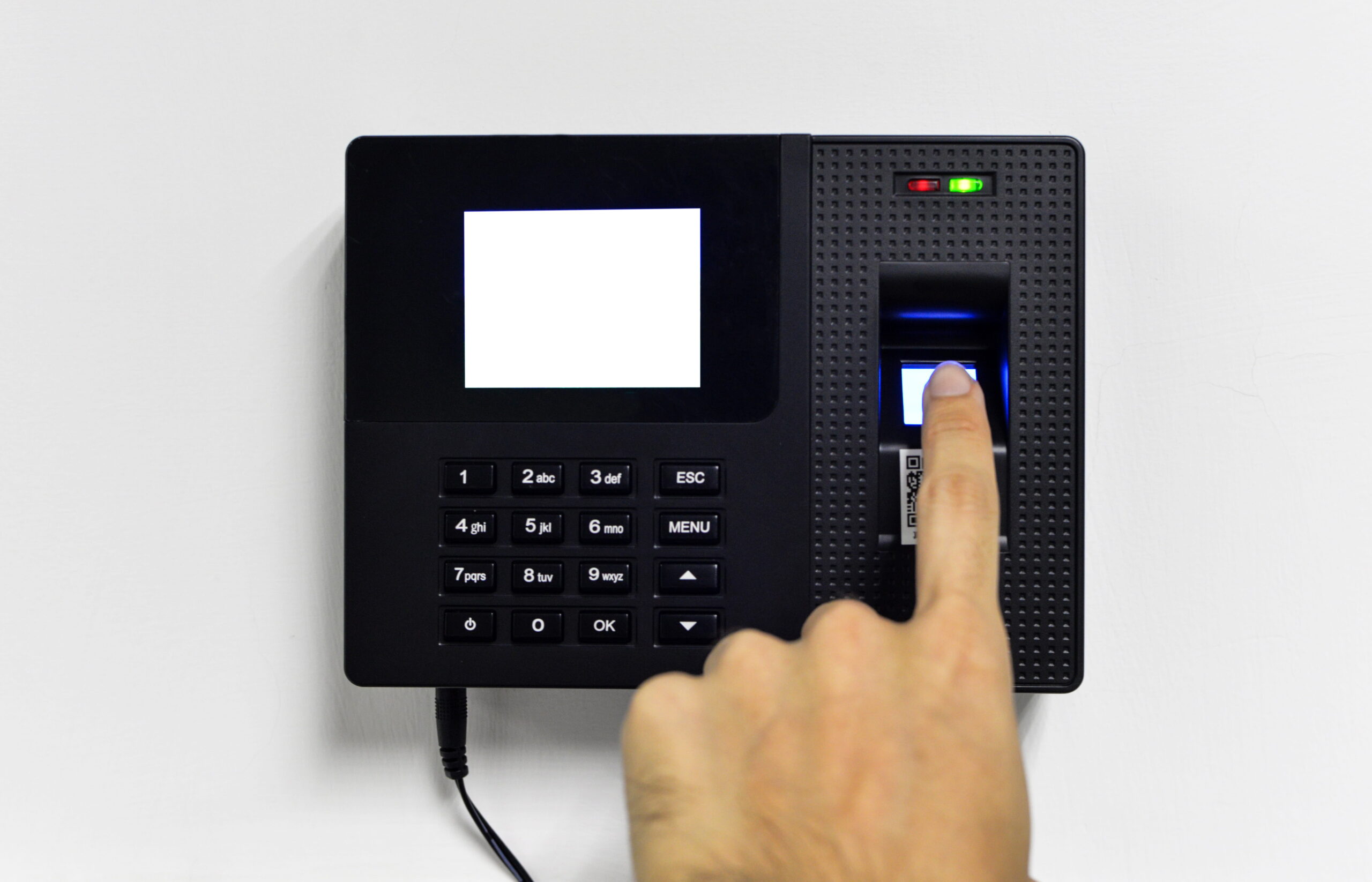
You may need to provide fingerprints at some point in life. Many people do. It is a simple process. It helps confirm who you are. It also helps keep people and places safe. Today, fingerprint checks support many personal, legal, and business needs.
Many people visit fingerprinting services when applying for a new job, a license, or a legal document. The process is quick and simple. It helps verify identity with confidence. It also supports background checks where required by law or policy.
Why Fingerprints Are Important
After learning the basics, many people also choose mobile fingerprinting because it offers added convenience. A trained professional comes to the location instead of asking everyone to travel. This option works well for busy workers, families, and large groups.
Fingerprints are unique. No two people have the same pattern. Even identical twins have different fingerprints.
That makes fingerprints a trusted way to confirm identity. Many groups rely on them every day.
Government offices use fingerprints. Employers use them too. Schools and healthcare groups may also ask for them.
The goal is simple. They want to confirm a person’s identity. They also want to protect others.
A Trusted Form of Identification
People have used fingerprints for many years.
Technology has improved over time. The process is now faster and more accurate.
Digital systems can capture fingerprints in minutes. The results are clear and easy to review.
They Help Build Trust
Identity matters.
A fingerprint check gives another level of confidence.
It helps reduce fraud. It also lowers the chance of mistaken identity.
Common Reasons You May Need Fingerprints
People often wonder why fingerprints are required.
The answer depends on the situation.
Some reasons are legal. Others are professional or personal.
Employment Background Checks
Many employers ask for fingerprints before hiring.
This is common in jobs that involve trust.
Teachers often need fingerprint checks.
Healthcare workers may also need them.
Childcare providers usually complete them too.
Some financial jobs also require identity checks.
The goal is to create a safer workplace.
Professional Licensing
Some careers need a license before work begins.
Many licensing boards require fingerprint records.
This helps confirm the applicant’s identity.
It also supports public safety.
Immigration and Travel
Some immigration programs ask for fingerprints.
The information helps confirm identity.
It also supports security reviews.
Different countries have different rules.
Always check current requirements before applying.
Volunteer Work
Many volunteers work with children.
Others help older adults.
Some work with people who need extra care.
Organizations may ask for fingerprint checks before approval.
Adoption and Foster Care
Families opening their homes often complete background checks.
Fingerprints are usually part of that process.
The goal is to protect children.
Business Security
Some companies protect private information.
Others handle valuable property.
Fingerprint checks help confirm employee identity.
This supports trust inside the workplace.
What Happens During the Appointment
Many people feel nervous before their first visit.
That feeling is normal.
The process is usually simple.
Before You Arrive
Bring valid identification.
Check your appointment details.
Wear clean hands.
Avoid heavy lotion before the visit.
Small steps help improve print quality.
During the Process
A trained technician will guide you.
They explain each step.
Your fingers are scanned.
Some locations may still use ink.
Digital systems are more common today.
The appointment often takes only a short time.
After the Appointment
Your fingerprints are reviewed.
The records are sent where needed.
Processing time depends on the requesting agency.
Some results move quickly.
Others may take longer.
Who Usually Requests Fingerprints
Different groups may request fingerprint records.
Each group has its own reason.
Government Agencies
Government offices often need identity confirmation.
This helps support public safety.
It also protects official records.
Employers
Many employers want reliable hiring practices.
Fingerprint checks help support that goal.
Schools
Schools work hard to protect students.
Some staff members complete fingerprint checks before starting work.
Healthcare Organizations
Hospitals and clinics care for many people.
Identity checks help maintain trust.
Financial Institutions
Banks and other financial groups protect sensitive information.
Some positions require extra screening.
How Fingerprints Protect Everyone
Fingerprint checks are not only about rules.
They also support safety.
They Help Prevent Fraud
False identities can create problems.
Fingerprint records reduce that risk.
They Support Fair Hiring
Everyone follows the same process.
That creates consistency.
It also builds confidence.
They Protect Sensitive Places
Some workplaces handle private information.
Others care for vulnerable people.
Identity checks help protect both.
Tips Before Your Fingerprint Appointment
A little planning helps.
The process becomes easier.
Bring the Right Documents
Carry valid photo identification.
Check if extra paperwork is needed.
Arrive on Time
Early arrival reduces stress.
It also gives you time to complete forms.
Keep Your Hands Clean
Wash your hands before the visit.
Dry them well.
Clean fingerprints produce better scans.
Follow Instructions
Listen carefully.
The technician wants clear prints.
Simple guidance makes the process smooth.
Common Myths About Fingerprints
Some stories create confusion.
Let’s clear them up.
Myth One
Fingerprinting always means you did something wrong.
That is false.
Most people provide fingerprints for normal reasons.
Myth Two
The process takes hours.
That is not true.
Most appointments are short.
Myth Three
Every fingerprint request is the same.
Different organizations have different rules.
Always read the instructions carefully.
Choosing a Reliable Provider
Experience matters.
Accuracy matters too.
Look for trained professionals.
Choose a provider with modern equipment.
Read customer reviews.
Ask questions if needed.
A good provider explains every step.
They also protect your personal information.
Your Privacy Matters
Many people worry about privacy.
That is understandable.
Trusted providers follow strict rules.
Personal information should be handled carefully.
Records should only be shared as required.
Ask how your information is stored.
Good providers will answer clearly.
Final Thoughts
Providing fingerprints is a normal part of many life events.
The process supports safety.
It protects people and organizations.
Most appointments are quick.
The steps are simple.
Knowing what to expect makes everything easier.
If fingerprints are requested, prepare your documents.
Arrive on time.
Follow the instructions.
Soon, the appointment will be complete.
You can move forward with confidence.
FAQs
Why do employers ask for fingerprints?
Many employers use fingerprints to confirm identity. They may also complete required background checks.
Are fingerprint appointments painful?
No. The process is painless. Your fingers are scanned or printed in a simple way.
How long does a fingerprint appointment take?
Most appointments are finished within a short time. The exact time depends on the provider.
Do all jobs require fingerprints?
No. Requirements depend on the employer, industry, and local laws.
Can children be asked to provide fingerprints?
Yes. Some programs may require them. Parents or guardians usually receive clear instructions first.
What should I bring to my appointment?
Bring valid photo identification and any requested documents. Check your appointment details before leaving home.
Are digital fingerprints better than ink fingerprints?
Digital systems are often faster. They also reduce errors. Some organizations may still accept ink fingerprints.
Will my fingerprints stay private?
Trusted providers protect personal information. They follow legal rules for storing and sharing records.

 Daniel Jack
 Garv Arora