Kinetica Sports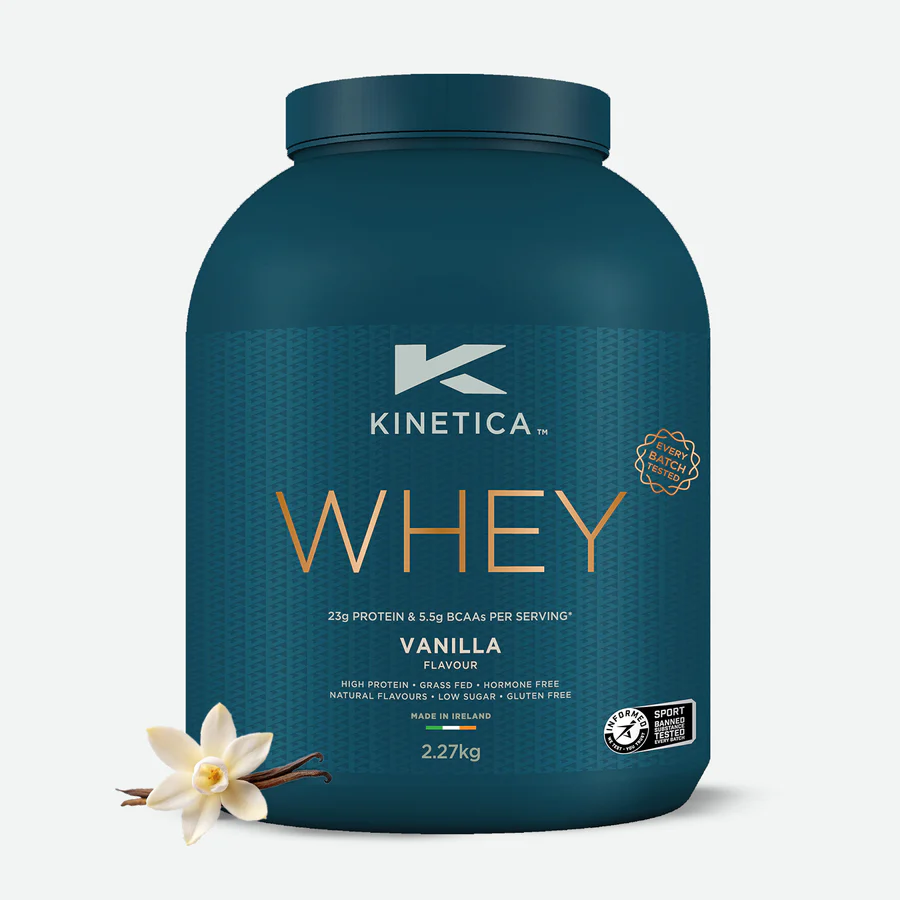
In the world of fitness and nutrition, whey protein stands out as one of the most popular and effective supplements. Whether you are an athlete, bodybuilder, gym beginner, or simply someone trying to stay healthy, whey protein can play an important role in your daily diet. It supports muscle growth, boosts recovery, and helps meet your protein needs easily.
In this article, we’ll explore what whey protein is, its benefits, types, how to use it, and how to choose the best whey protein for your goals.
What Is Whey Protein?
Whey protein is a high-quality protein derived from milk during the cheese-making process. When milk curdles, it separates into curds and liquid. That liquid is whey, which is then processed and dried into a powder form.
Whey protein contains all nine essential amino acids, making it a complete protein source. It’s also rich in branched-chain amino acids (BCAAs), especially leucine, which is crucial for muscle growth and recovery.
Because of its fast absorption, whey protein is often consumed after workouts to repair muscles and promote strength.
Benefits of Whey Protein
Using whey protein regularly offers many health and fitness benefits.
1. Supports Muscle Growth
Whey protein provides your muscles with the amino acids they need to repair and grow after exercise. It helps increase muscle mass and strength, especially when combined with resistance training.
2. Speeds Up Recovery
After intense workouts, your muscles experience tiny tears. Whey protein helps repair those fibers faster, reducing soreness and improving performance for your next session.
3. Helps With Weight Loss
Protein keeps you full for longer. Adding whey protein to your diet can reduce hunger, control cravings, and support fat loss while preserving lean muscle.
4. Boosts Metabolism
Digesting protein burns more calories than fats or carbs. Whey protein can slightly increase your metabolic rate, helping you burn more calories throughout the day.
5. Convenient Nutrition
It’s not always easy to meet daily protein needs from food alone. Whey protein is quick, portable, and easy to mix into shakes, smoothies, oats, and recipes.
Types of Whey Protein
Not all whey protein products are the same. There are three main types, each with different benefits.
1. Whey Protein Concentrate (WPC)
This is the most common type. It contains about 70–80% protein, with small amounts of fat and lactose. It’s affordable, tasty, and great for most people.
2. Whey Protein Isolate (WPI)
Whey isolate is more processed to remove fat and lactose. It contains around 90% protein and is ideal for people who are lactose sensitive or want a leaner option.
3. Whey Protein Hydrolysate (WPH)
This type is pre-digested for faster absorption. It’s often used by athletes who want quick recovery and minimal digestion issues.
How to Use Whey Protein
Using whey protein correctly can help you get the best results.
Best Time to Take Whey Protein
-
Post-workout: Helps repair and grow muscles.
-
Morning: Stops muscle breakdown after sleep.
-
Between meals: Controls hunger and boosts protein intake.
-
Before bed (optional): Supports overnight recovery.
How Much Whey Protein Do You Need?
Most people need around 1.6–2.2 grams of protein per kilogram of body weight daily if training regularly. One scoop of whey protein usually provides 20–25 grams of protein.
It’s important to combine whey protein with whole foods like chicken, fish, eggs, beans, and vegetables for balanced nutrition.
Whey Protein for Different Goals
For Muscle Building
Use whey protein after workouts and ensure you’re in a calorie surplus. Combine it with strength training and proper rest.
For Weight Loss
Drink whey protein as a meal replacement or snack to reduce hunger. Choose whey isolate for fewer calories and fats.
For General Health
Even non-athletes can use whey protein to maintain muscle mass, support immunity, and improve overall nutrition.
How to Choose the Best Whey Protein
With many brands available, choosing the right whey protein can be confusing. Here are some tips:
Check the Ingredient List
Look for products with minimal ingredients and no unnecessary fillers or sugars.
Look at Protein Content
Aim for at least 20–25g protein per serving.
Avoid Excess Sugar
Some flavored whey proteins contain too much sugar. Pick low-sugar options.
Consider Your Digestion
If you’re lactose intolerant, choose whey protein isolate.
Choose Trusted Brands
Buy from reputable companies with third-party testing for quality and safety.
Are There Any Side Effects?
Whey protein is generally safe for most people. However, excessive intake may cause:
-
Digestive issues
-
Bloating
-
Kidney strain in people with existing conditions
Always stick to recommended amounts and drink enough water. If you have health concerns, consult a doctor before using supplements.
Can You Get Whey Protein From Food?
While whey protein powder is convenient, natural foods also provide protein, such as:
-
Milk and yogurt
-
Eggs
-
Chicken
-
Fish
-
Beans
-
Nuts
However, whey protein is faster to prepare and easier to consume after workouts.
Final Thoughts on Whey Protein
Whey protein is one of the most effective and versatile supplements for improving muscle growth, recovery, weight management, and overall health. Whether your goal is to build muscle, lose fat, or simply stay active, whey protein can support your lifestyle when used correctly.
Choose a high-quality product, follow proper dosage, and combine it with a balanced diet and exercise routine. When used wisely, whey protein becomes a powerful tool for reaching your fitness goals.


 Leo Hanry
 Kickstart Therapy