Kevin Andy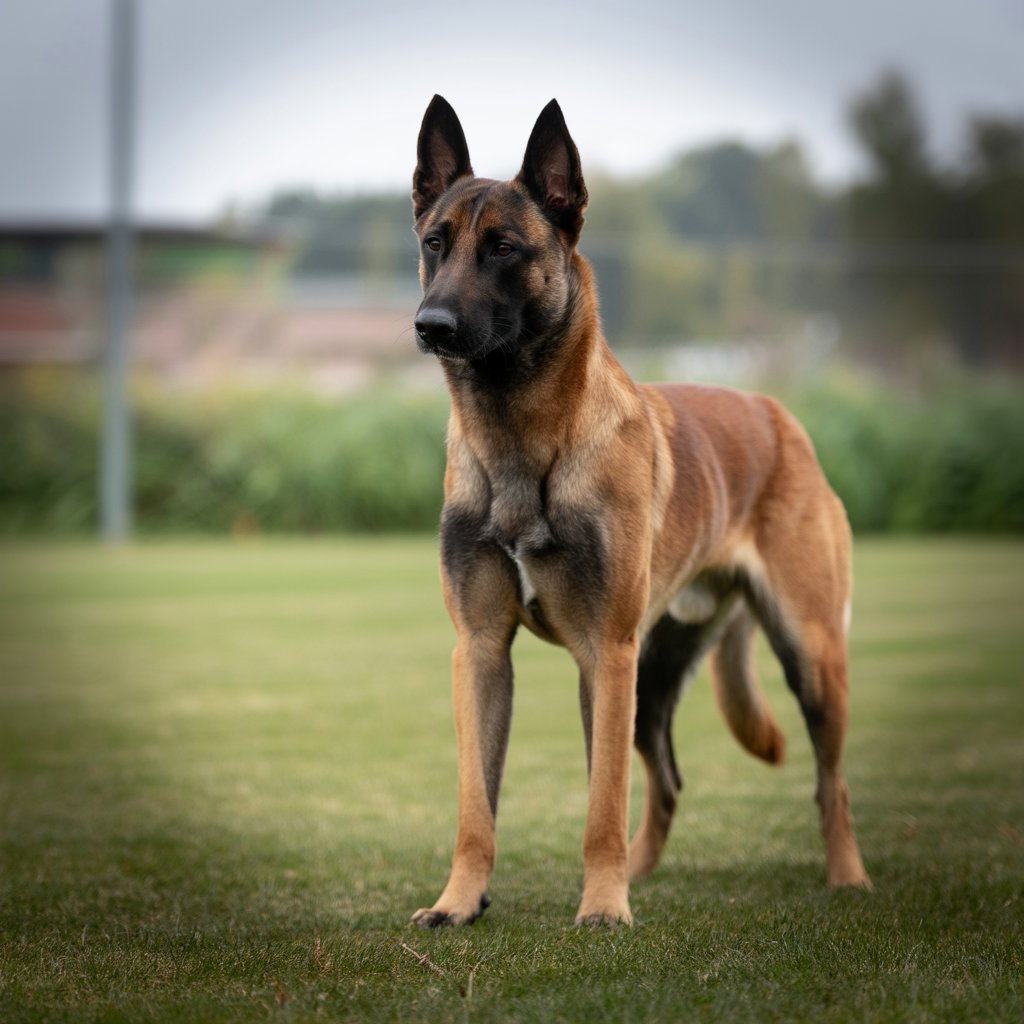
Searching for an adult Belgian Malinois for sale often begins with urgency rather than preparation. Many prospective owners face immediate needs such as security concerns, working requirements, or prior experience that leads them away from raising a puppy. However, adult working dogs come with established behaviors, conditioning, and expectations that are not always visible at first glance. Without proper evaluation, these factors can create long-term challenges rather than solutions.
Understanding the Adult Belgian Malinois Temperament
Adult Belgian Malinois are characterized by high drive, environmental sensitivity, and strong problem-solving ability. These traits are essential for working roles but can overwhelm unprepared handlers. Unlike younger dogs, adults have fixed behavioral responses shaped by genetics and prior handling. Evaluating temperament requires observing the dog’s reaction to pressure, novelty, and handler direction.
Behavioral History and Prior Conditioning
Every adult working dog carries behavioral history that influences current performance. Previous environments, training consistency, and exposure to stress all contribute to how the dog responds in new settings. Dogs lacking structured routines may exhibit impulsivity or frustration behaviors. Reviewing behavioral background provides insight into adaptability and future training requirements.
Training Foundations in Adult Working Dogs
Training adult Belgian Malinois differs significantly from puppy development. Most adults possess foundational obedience, but reliability varies depending on prior reinforcement methods. Effective obedience training for dogs at this stage focuses on clarity, engagement, and consistency rather than repetition alone. Understanding existing training foundations helps prevent regression and confusion.
Obedience Versus Behavioral Stability
Basic obedience does not always indicate behavioral balance. Adult dogs may perform commands reliably while still struggling with impulse control or stress management. Behavioral stability includes emotional regulation, environmental neutrality, and controlled responses. These qualities are critical when evaluating adult Belgian Malinois for long-term ownership.
Matching Experience Level With Dog Capability
One of the most overlooked factors in adult dog ownership is handler suitability. Belgian Malinois require confident leadership, predictable structure, and consistent mental stimulation. Inexperienced handlers may unintentionally reinforce unwanted behaviors. Honest assessment of personal experience helps prevent mismatches that lead to behavioral decline.
Physical Health and Functional Soundness
Health evaluation plays a vital role when considering adult working dogs. Joint integrity, stamina, and muscular balance directly affect performance and longevity. Belgian Malinois often conceal discomfort, making professional assessments essential. Long-term success depends on physical capability aligning with intended activity levels.
Socialization in Adult Dogs
Socialization for adult Belgian Malinois focuses on controlled exposure rather than broad novelty. Mature dogs benefit from calm, predictable interactions rather than overstimulation. Poor socialization history can manifest as reactivity or avoidance. Evaluating social behavior helps determine environmental compatibility.
Behavioral Correction and Management
Dog behavior correction in adult working dogs requires precision and consistency. Correction is not about suppression but about redirection and clarity. Improper methods can increase anxiety or defensive responses. Understanding appropriate behavioral management techniques is essential for maintaining stability.
Environmental Suitability and Lifestyle Fit
Adult Belgian Malinois thrive in environments that support routine, engagement, and structure. Inconsistent schedules or limited mental stimulation often result in frustration behaviors. Lifestyle compatibility influences long-term outcomes more than training alone. Assessing daily routines ensures realistic expectations.
Purpose-Driven Ownership Decisions
Clear purpose helps guide appropriate selection and training. Whether intended for protection work, sport, or structured companionship, expectations must align with the dog’s capabilities. Unrealistic assumptions often lead to dissatisfaction. Purpose-driven decisions support sustainable ownership.
Legal and Ethical Responsibilities
Ownership of powerful working breeds involves ethical and legal considerations. Secure containment, public control, and compliance with local regulations are non-negotiable. Responsible ownership prioritizes safety and welfare. Ethical placement reduces the likelihood of future rehoming.
Common Misconceptions About Adult Working Dogs
Many assume adult dogs are easier to manage than puppies. While maturity offers predictability, it also brings ingrained habits. Modifying these behaviors requires patience and consistency. Understanding this reality helps prevent disappointment.
Risk Assessment Through Professional Evaluation
Professional assessments provide objective insight into temperament, drive, and suitability. These evaluations help identify potential challenges early. Structured evaluations reduce emotional decision-making. Risk management begins with informed analysis.
Integration Into a New Environment
Transitioning an adult Belgian Malinois into a new environment requires planning and structure. Sudden changes can increase stress and confusion. Gradual integration supports trust-building and stability. Predictable routines ease adjustment.
Ethical Placement and Long-Term Outcomes
Ethical placement focuses on matching dogs with appropriate handlers rather than quick outcomes. Transparency regarding behavior, training, and limitations supports informed decisions. Long-term success depends on realistic expectations and commitment.
Conclusion
Evaluating an adult Belgian Malinois for sale requires more than surface-level observation. Temperament, training history, health, and lifestyle compatibility all influence long-term success. Adult working dogs offer significant capability but demand informed, responsible ownership. Careful evaluation protects both the handler and the dog, supporting stability, safety, and long-term fulfillment.


 Bernard buckingham
 La Vie Executive Health Centre