Susan Armadale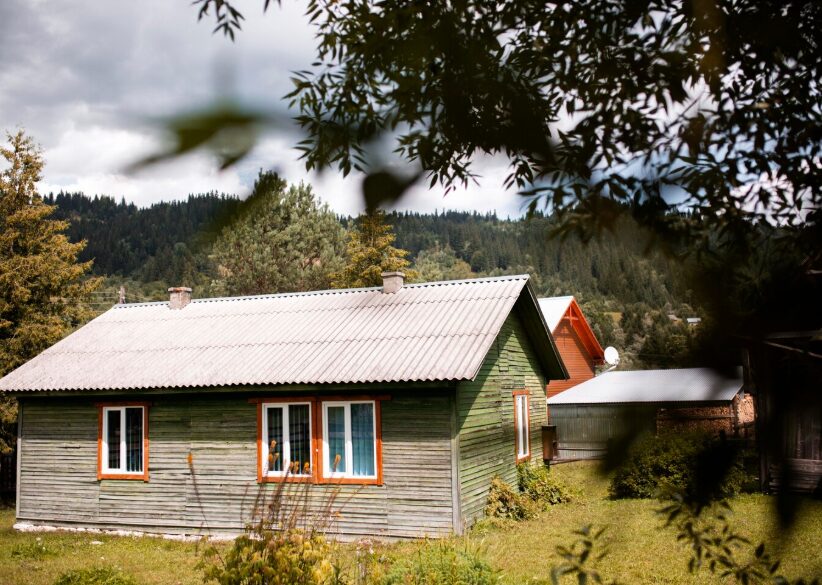
Something shifted the last few years. You can feel it. People started looking around their giant homes thinking, “Why am I paying for all this space?” Empty guest rooms. Storage full of junk nobody touched in years. Massive utility bills. Constant maintenance. It wears people down after awhile.
That’s partly why interest in the Tiny home kit market exploded. Folks want simpler living now. Less debt. Less cleaning. Less stress honestly. A smaller place suddenly feels more realistic than chasing oversized homes with crushing mortgage payments attached.
The appeal goes beyond money too. Tiny living changes how people think about daily life. More intentional purchases. Less clutter everywhere. Less pressure to constantly upgrade things for appearances. A lot of people are burned out on that whole cycle.
And unlike traditional construction projects dragging on forever, many compact housing kits promise faster setups with lower upfront costs. That catches attention fast. Especially younger buyers and retirees trying to escape insane housing prices.
Of course the internet sometimes oversells the dream a little. Some people imagine they’ll unpack a few boxes and magically have a perfect house by Saturday afternoon. Doesn’t exactly work like that. There’s still planning involved. Land. Permits. Utilities. Real-world stuff.
But even with those challenges, the demand keeps growing because the old way of buying homes stopped feeling realistic for many regular people.
Building Small Doesn’t Mean Building Cheap or Careless
One thing people misunderstand constantly is assuming tiny homes automatically mean low quality. That’s not true at all. Some small homes are built better than giant suburban houses honestly.
A decent Tiny home kit usually includes structural framing materials, design layouts, assembly instructions, and core building components meant to simplify construction. But quality varies wildly. Some kits feel thoughtfully engineered. Others look like somebody drew plans on a napkin during lunch break.
That’s where experienced tiny house builders matter more than people realize. Good builders understand things beginners overlook completely. Weight distribution. Moisture control. Insulation. Ventilation. Tiny spaces react differently than traditional homes because every square foot matters more.
And cutting corners inside small homes becomes obvious fast. Bad airflow? You’ll feel it immediately. Poor insulation? Winter gets miserable real quick. Weak storage design? Suddenly your entire living space looks chaotic because there’s nowhere to put basic stuff.
People shopping for tiny housing solutions need realistic expectations too. Lower square footage doesn’t automatically equal low effort. Smart tiny design actually requires more planning in many ways because everything needs multiple purposes.
One bad layout decision inside a small home affects daily life constantly. There’s nowhere for problems to hide.
Tiny Living Feels More Emotional Than Most Buyers Expect
This surprises people. Buying smaller homes isn’t just financial. It gets emotional weirdly fast.
A lot of folks pursuing a Tiny home kit aren’t only downsizing space. They’re trying to change lifestyles completely. Escape debt pressure. Simplify routines. Spend more time outdoors. Stop living paycheck to paycheck because housing costs swallowed everything else.
That emotional side matters because tiny living changes habits dramatically. People stop buying random unnecessary stuff because there’s literally nowhere to put it anymore. Clutter becomes impossible to ignore inside compact spaces.
Some people find that incredibly freeing. Others panic halfway through downsizing and realize how attached they became to material things they barely even used.
Tiny house builders often mention this transition catches buyers off guard. The house itself becomes part psychology experiment, part lifestyle reset. Sounds dramatic maybe, but it’s true.
Couples especially learn quickly whether they communicate well or not. Tiny spaces remove distance. You can’t storm dramatically into another wing of the house after arguments when the whole home fits inside a parking space.
Still though, many owners end up loving the closeness and simplicity once they adjust. Less wasted space sometimes creates more intentional living overall.
Land and Zoning Usually Become Bigger Headaches Than Construction
Here’s the part people skip over while watching cozy tiny house videos online. The house itself may actually be the easy part. Land laws? Totally different story.
Buying a Tiny home kit means nothing if local zoning rules won’t let you place it legally afterward. Happens constantly. Buyers get excited about layouts and finishes before researching county regulations. Big mistake.
Some areas fully support tiny living. Others barely tolerate it. Some counties classify homes on wheels as RVs instead of residences. Others require permanent foundations or minimum square footage standards. It varies everywhere.
That’s another reason experienced tiny house builders become valuable. Many already understand local permitting requirements and common legal obstacles buyers face. They’ve seen the mistakes before.
Utilities complicate things too. Water hookups. Septic systems. Electrical permits. Access roads. Tiny living still involves infrastructure even if the structure itself stays small.
Off-grid setups sound amazing online until somebody realizes hauling water through snowstorms gets old extremely fast. Reality always enters eventually.
The smartest buyers usually spend more time researching land and zoning than choosing countertops or paint colors. Doesn’t sound exciting maybe, but it prevents massive headaches later.
Tiny Homes Force People to Rethink What “Enough” Actually Means
This part gets philosophical pretty quickly honestly.
Most people grew up surrounded by the idea that bigger automatically means better. Bigger houses. Bigger kitchens. Bigger closets. Bigger everything. Tiny living challenges that mindset directly.
A well-designed Tiny home kit asks a pretty uncomfortable question: how much space do people actually need to live comfortably?
Turns out, often less than expected.
That realization hits differently once somebody lives inside a thoughtfully planned small space for awhile. Priorities shift. Time spent cleaning drops dramatically. Utility bills shrink. Maintenance becomes manageable instead of endless.
Tiny house builders who truly understand compact living focus heavily on functionality instead of wasted decorative space. Storage hides inside stairs. Furniture transforms. Rooms serve multiple purposes depending on the time of day.
And weirdly enough, many people report feeling calmer inside simpler homes. Less visual clutter. Less unused space collecting junk. The environment starts feeling intentional instead of overwhelming.
Of course tiny living isn’t perfect for everybody. Some people absolutely need more room. Families with several kids may struggle long-term. Privacy becomes harder. Storage requires discipline constantly.
But for certain lifestyles, compact housing creates freedom traditional homes sometimes can’t.
Weather and Climate Matter Way More in Smaller Spaces
Tiny homes react to weather differently than standard houses. Every temperature change feels more immediate because the space is compact. Good construction matters a lot.
Poor insulation inside a Tiny home kit becomes obvious immediately during winter. Cheap windows? You’ll notice. Weak ventilation? Condensation builds up fast.
Tiny house builders working in colder climates usually focus heavily on insulation values, heating efficiency, and moisture management because tiny spaces trap humidity surprisingly quickly.
And honestly, weather can completely change somebody’s tiny living experience. A cozy small home during spring feels amazing. That same poorly designed home during freezing temperatures or brutal summer heat becomes miserable fast.
Roof strength matters too, especially in mountain areas with heavy snowfall. Tiny homes may look lightweight and simple, but structural integrity still matters enormously.
Ventilation becomes especially important during cooking and showering because moisture accumulates quicker in smaller interiors. Without proper airflow, mold problems can appear faster than people expect.
That’s why experienced builders often prioritize practical performance over trendy aesthetics. Social media loves pretty interiors. Real life cares more about whether pipes freeze during winter storms.
The Tiny Home Industry Keeps Growing Because Housing Feels Broken
Let’s be honest here. One reason tiny living exploded is because traditional housing feels increasingly impossible for many people now.
Regular families struggle affording normal starter homes in countless areas. Mortgage rates fluctuate wildly. Rent prices climb nonstop. Younger buyers especially started searching for alternatives because the standard path stopped feeling realistic.
A Tiny home kit offers something many people desperately want — a possible path toward ownership without decades of crushing debt attached.
That doesn’t mean tiny homes are magically cheap though. Costs still add up. Land. Permits. Utility connections. Transportation. Interior finishing. Buyers need realistic budgets.
Still, compared to traditional housing costs, tiny living often feels far more attainable.
Tiny house builders also evolved rapidly over the years. Early tiny homes sometimes looked experimental or unfinished honestly. Modern designs feel more polished, practical, and adaptable for full-time living now.
And public perception shifted too. Tiny homes no longer feel like strange fringe experiments. More communities recognize compact housing serves real needs in expensive housing markets.
That momentum probably won’t slow down anytime soon either.
Tiny Living Works Best When People Embrace Simplicity Fully
The people happiest with tiny homes usually approach it as a lifestyle choice, not just a cheaper house. Big difference there.
Someone expecting a miniature version of suburban living may end up frustrated. Tiny spaces require flexibility. Organization. Intentional habits. Simpler routines.
But people genuinely wanting less clutter and fewer financial burdens often thrive there.
A good Tiny home kit creates opportunities for that lifestyle shift because it removes excess naturally. Smaller homes encourage outdoor time, simpler purchases, and less obsession with maintaining giant spaces nobody fully uses.
Tiny house builders who understand this lifestyle design homes differently too. They focus on comfort, practicality, and emotional livability instead of pure square footage numbers.
And honestly, many owners say the biggest surprise wasn’t sacrificing space. It was realizing how little they actually missed once they stopped living surrounded by constant excess.
That realization changes people sometimes.
Conclusion
Tiny homes have evolved far beyond trendy internet photos and minimalist fantasies. For many buyers, they represent practical alternatives to rising housing costs, oversized lifestyles, and endless financial pressure. A thoughtfully designed Tiny home kit can create affordable ownership opportunities while supporting simpler, more intentional living.
Still, success with tiny living depends heavily on planning. Land access, zoning laws, insulation quality, climate preparation, and experienced tiny house builders all play major roles in whether the experience feels freeing or frustrating.
Tiny homes aren’t perfect for everyone. But for people craving flexibility, lower expenses, and less clutter controlling daily life, compact living continues making more sense every year.
FAQs
What comes inside a Tiny home kit?
Most kits include framing materials, structural components, floor plans, and assembly instructions, though contents vary depending on the manufacturer and design.
Are tiny homes cheaper than traditional houses?
Usually yes, but buyers still need to budget for land, permits, utility hookups, transportation, and finishing work beyond the initial kit price.
Why are tiny house builders important?
Experienced builders understand insulation, zoning requirements, ventilation, structural safety, and efficient layouts that beginners often overlook.
Can you legally live full-time in a tiny home?
That depends on local zoning laws and building regulations. Some areas fully allow tiny homes while others place restrictions on placement or occupancy.
Do tiny homes work well in cold climates?
Yes, but proper insulation, heating systems, moisture control, and strong construction are essential for comfortable year-round living.
Is tiny living difficult for couples or families?
Sometimes. Compact spaces require communication, organization, and realistic expectations about privacy and storage limitations.


 Ammar Saleem
 zab nabs