Susan Armadale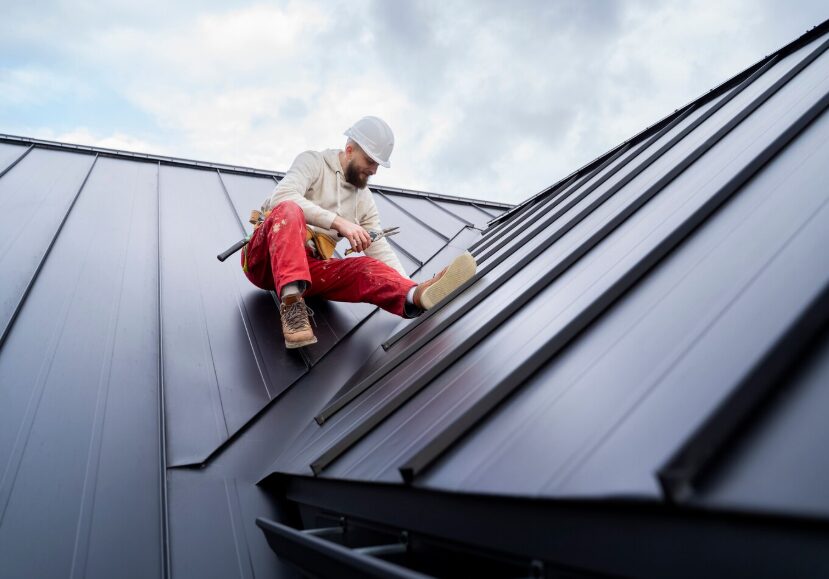
Anybody who’s worked inside an older steel building during summer already knows. The heat gets brutal. Doesn’t matter if it’s a warehouse, workshop, farm structure, or commercial facility. Once sunlight starts beating down on that roof all day, the entire place turns into an oven.
Winter flips the problem the other direction too. Freezing air sneaks through gaps and weak wall systems. Condensation forms everywhere. Equipment sweats. Floors stay cold constantly. Employees complain. Energy bills climb through the roof, literally.
That’s why insulation for metal building systems matters more than a lot of owners first realize. It’s not just about comfort. It affects moisture control, utility costs, roof lifespan, and even structural durability long-term.
Older buildings especially struggle because many were built with minimal insulation decades ago. Some barely have any thermal protection at all. Builders back then focused more on getting structures up fast than controlling temperature and condensation properly.
Then years later owners start wondering why HVAC systems run nonstop while the interior still feels miserable half the year.
Condensation Quietly Destroys Steel Buildings From The Inside
Most people notice heat first. Condensation usually hides longer.
Metal surfaces sweat constantly when warm moist air hits cooler steel panels. Roof systems collect moisture underneath. Wall cavities trap humidity. Insulation gets soaked slowly over time. Then corrosion starts spreading quietly behind everything.
That’s one reason insulation for metal building projects became such a huge focus in commercial construction recently. Proper insulation controls temperature differences that create condensation in the first place.
Without it, buildings basically fight themselves every day.
Condensation damage gets expensive fast too. Wet insulation loses effectiveness almost immediately. Mold starts growing in hidden areas. Rust forms around framing systems and fasteners. Ceiling stains appear later after the damage already spread underneath.
A lot of owners mistake condensation problems for roof leaks at first honestly. They see dripping water and assume rain got in somehow. Sometimes it did. Other times the building simply can’t manage interior humidity correctly anymore.
Ventilation matters heavily here too. Insulation alone doesn’t solve everything. Buildings need balanced airflow combined with proper vapor barriers and thermal protection systems.
Otherwise moisture just keeps circulating around inside causing damage little by little.
Roofing Systems Affect Interior Temperatures More Than Owners Expect
Roofs take the worst heat exposure all day long. Especially on large commercial steel buildings with wide open roof spans.
Older roof systems absorb enormous amounts of heat during summer. Then all that trapped heat radiates downward into the building interior for hours. HVAC systems work overtime trying to keep temperatures manageable. Utility bills get ugly.
That’s another reason many owners combine insulation upgrades with metal roof replacement projects instead of treating them separately. Roofing and insulation performance always connect together.
A failing roof doesn’t just leak water. It leaks energy too.
Modern roofing systems reflect sunlight better and support upgraded insulation assemblies underneath. That combination changes indoor conditions dramatically compared to older steel roofs built decades ago.
And honestly, once old roofing starts deteriorating, insulation problems usually follow not far behind. Moisture intrusion destroys thermal performance quickly. Wet insulation becomes nearly useless.
Some buildings keep adding temporary roof patches year after year while ignoring the insulation damage underneath. Doesn’t solve much long-term.
At some point replacing the entire roof assembly alongside upgraded insulation simply makes more financial sense than constant repairs.
Utility Costs Usually Reveal Hidden Building Problems First
Energy bills tell the truth pretty quickly.
When heating and cooling costs keep climbing despite HVAC maintenance, the building envelope usually has problems somewhere. Weak roof systems. Poor insulation. Air leaks around wall assemblies. Moisture-damaged materials. The conditioned air escapes faster than equipment can compensate.
Large steel buildings especially struggle because metal transfers heat rapidly without proper thermal barriers in place. Hot outside temperatures move indoors quickly. Cold air does the same during winter.
That’s why insulation for metal building systems became such an important investment for warehouses, manufacturing plants, agricultural buildings, and commercial properties trying to reduce operating costs.
And honestly, some owners don’t realize how much energy they’re wasting until insulation upgrades finally happen. Then suddenly indoor temperatures stabilize and HVAC systems stop running nonstop every hour of the day.
Roofing improvements help heavily too. Reflective roof coatings and upgraded steel panels reduce solar heat gain significantly. Combined with better insulation, the difference becomes pretty noticeable.
Not overnight magic obviously. But long-term savings absolutely add up.
Old Roof Damage Usually Hides Bigger Problems Underneath
A small roof leak rarely stays small very long inside steel buildings.
Water travels along framing and insulation quietly before becoming visible indoors. By the time stains appear on ceilings or walls, moisture already spread underneath roofing assemblies for weeks or months sometimes.
That’s why metal roof replacement projects often uncover far more hidden damage than owners expected originally. Wet insulation. Rusted decking. Corroded fasteners. Structural deterioration around penetrations and seams.
And honestly, patching leaks repeatedly while ignoring soaked insulation underneath just delays larger repairs later.
Old insulation systems hold moisture like a sponge once damaged. Thermal performance collapses. Mold risks increase. Corrosion spreads faster around trapped humidity areas.
Modern roof replacements usually include upgraded insulation systems because contractors know separating those repairs rarely works efficiently anymore. Roofing and insulation function together as one protective system.
Drainage matters too. Poor roof drainage traps standing water around seams and flashing details. That moisture eventually finds weak points no matter how many temporary patches get applied over the years.
Buildings showing repeated leaks usually need deeper evaluation beyond surface repairs alone.
Different Insulation Systems Perform Very Differently In Steel Buildings
Not all insulation works equally well inside metal structures. Big difference actually.
Fiberglass systems remain common because they’re affordable upfront, but installation quality matters heavily. Gaps and compression reduce effectiveness quickly. Moisture exposure ruins performance too.
Spray foam insulation performs differently because it seals air leaks while adding thermal resistance at the same time. Works especially well around irregular framing areas and roof penetrations. Costs more initially though.
Rigid board insulation gets used often during larger metal roof replacement projects because it integrates well beneath retrofit roofing systems. Better moisture resistance too in many cases.
And honestly, climate matters heavily when choosing insulation systems. Hot humid regions face different challenges than colder northern environments. Condensation control becomes more critical in some buildings while thermal resistance dominates others.
That’s why experienced contractors inspect entire building conditions before recommending insulation upgrades. Roof design, ventilation, humidity levels, operational use — everything affects performance.
Cheap insulation installed poorly won’t solve much long-term. Good systems need proper installation and moisture management working together.
Why Ventilation Matters Just As Much As Insulation Sometimes
Some buildings technically have insulation already but still feel miserable inside. Usually ventilation problems play a role there.
Hot trapped air builds beneath roofing systems constantly without proper airflow. Moisture lingers inside wall cavities. Condensation forms repeatedly because humidity has nowhere to escape.
That’s where balanced ventilation systems matter heavily alongside insulation upgrades. Ridge vents, intake systems, exhaust fans — all designed to move air correctly through the structure.
A lot of older steel buildings simply weren’t designed with enough airflow originally. Then operational changes increased interior humidity even more over time.
Agricultural buildings deal with this constantly. Warehouses too. Manufacturing plants create massive heat and moisture loads depending on operations happening inside.
That’s another reason metal roof replacement projects often include ventilation redesigns now instead of just swapping roof panels alone. Contractors understand roofing performance depends heavily on airflow underneath.
And honestly, good ventilation extends roof lifespan too. Reducing trapped heat and moisture slows down material deterioration across roofing assemblies and structural framing systems.
Buildings breathe better when insulation and ventilation finally work together instead of fighting each other.
Long-Term Building Performance Depends On The Entire System Working Together
A steel building isn’t just roofing. Or insulation. Or ventilation. All those systems depend on each other constantly.
Weak insulation strains HVAC systems. Poor ventilation traps moisture. Aging roofs leak into thermal barriers underneath. Small failures spread outward through the building over time.
That’s why experienced contractors look at overall building performance instead of isolated repairs only. A patch job here and there might temporarily stop visible symptoms, but underlying problems keep developing quietly underneath.
Good insulation for metal building systems improves more than energy efficiency. It protects structural components, reduces condensation damage, stabilizes indoor temperatures, and helps roofing systems last longer too.
And modern metal roof replacement projects usually perform best when insulation upgrades happen simultaneously. Owners avoid future tear-outs while improving overall building protection immediately.
Honestly, steel buildings last a very long time when the building envelope gets handled correctly. The structures themselves are durable. The problem usually comes from moisture, heat, and neglected maintenance slowly wearing systems down year after year.
Handled early, those problems stay manageable. Ignored long enough, they get expensive fast.
Conclusion
Steel buildings perform far better when insulation, ventilation, and roofing systems work together correctly instead of competing against each other. Without proper thermal protection, interiors become uncomfortable, utility costs climb, condensation spreads, and structural deterioration accelerates over time.
That’s why insulation for metal building projects became such a major priority across commercial, industrial, and agricultural construction. Good insulation improves energy efficiency, moisture control, indoor comfort, and long-term building durability all at once.
At the same time, aging roofs often require complete metal roof replacement once leaks, moisture intrusion, and structural wear begin affecting insulation performance underneath.
Because honestly, temperature control inside steel buildings isn’t just about comfort anymore. It’s about protecting the entire structure from long-term damage.
FAQs
Why is insulation important in steel buildings?
Proper insulation controls indoor temperatures, reduces condensation, lowers utility costs, and protects structural components from moisture damage.
What insulation works best for metal buildings?
It depends on the building type and climate. Spray foam, fiberglass, and rigid board systems all perform differently based on moisture and thermal needs.
Can poor insulation cause roof condensation?
Yes. Weak insulation allows temperature differences that create condensation on steel surfaces, leading to moisture damage and corrosion.
When should metal roof replacement be considered?
Replacement becomes necessary when leaks spread repeatedly, roofing materials deteriorate, insulation becomes water damaged, or structural wear appears.
Does insulation improve energy efficiency in commercial steel buildings?
Absolutely. Proper insulation reduces heat transfer, stabilizes indoor temperatures, and lowers heating and cooling demands significantly.

 Ammar Saleem
 andrew bark