Robert Smith
Cars change over time, and so do the people who own them. One year you’re happy with stock bumpers and side skirts, next year you’re staring at your ride thinking it needs something sharper, something that actually turns heads on the way to work. That’s usually about the time people start googling body kit installation shops, and honestly, that search gets messy fast. There’s a lot of places out there claiming they can do it, slapping a kit on in an afternoon and calling it a day, but not all of them actually know what they’re doing once the panels come off and the clock starts ticking. Some do beautiful work. Some, not so much. Knowing the difference before you hand over your keys is the whole game, and it’s usually the difference between a car you’re proud to drive and one you end up hiding in the garage.
I’ve talked to plenty of owners who learned this the hard way, spending good money on a kit only to have it sitting crooked within a few weeks. It’s not always the kit’s fault either. Sometimes the part itself is fine, it’s just the hands putting it on that weren’t ready for the job. That’s the bit that gets glossed over a lot in online reviews, people rate the price and the friendliness of the staff, but rarely dig into the actual technical side of the install.
Why The Right Shop Actually Matters Here
You’d think fitting a body kit is basically bolt-on work, screw it in and drive off, but it’s not, not really. A proper kit needs trimming, sanding, sometimes reshaping just to match the car’s actual body lines, because manufacturing tolerances are never perfect no matter what the box says. A shop that rushes this step leaves gaps you can see from across the parking lot, and once that happens there’s not much fixing it without starting over. I’ve seen kits installed with panel gaps wide enough to fit a finger through, and that’s not a good look on a car someone spent real money customizing. The people who actually know what they’re doing will dry-fit everything first, check alignment from multiple angles, then move on to adhesives and fasteners. It takes longer this way. It’s supposed to take longer. If a shop tells you they can knock the whole thing out in three hours flat, walk away, because that’s not how this works when it’s done properly.
Fiberglass Versus Polyurethane, And Why It Changes Everything
Most kits come in one of two materials and each behaves completely different once a wrench is anywhere near it. Fiberglass is stiff, lighter in some cases, holds sharp lines nicely, but it cracks if you look at it wrong, especially around mounting points where stress builds up over time. Polyurethane flexes instead, survives a light parking lot bump without shattering into pieces, but it’s heavier and can warp a little if it’s not stored properly before the install happens. A shop that’s actually worked with both materials for years will tell you which one suits your driving style before you even ask the question. If they don’t bring this up unprompted, that’s kind of a red flag honestly, because it’s one of the first things that affects how the whole install turns out, and it shapes every decision after that including paint prep.
The Prep Work Nobody Talks About
Before any kit goes anywhere near the car, there’s prep work, and prep is exactly where a lot of shortcuts quietly happen. Surfaces need proper cleaning, old clips and brackets need checking for wear, and sometimes the factory bumper mounts need slight modification just to accept the new piece without stress cracking later. Skipping this stage is how you end up with squeaks, rattles, and kits that shift after a few months of driving on rough roads or speed bumps. A shop worth its reputation will walk you through what they’re doing at each stage, not just hand the car back with a bill and a wave. Ask questions while it’s happening. Good techs actually like when customers ask questions, because it usually means the customer will notice if something’s off later too, which keeps everyone honest.
There’s also the electrical side that people forget about entirely. A lot of kits come with fog lights, splitters, or diffusers that need wiring run through panels that weren’t originally designed for it. If that wiring gets pinched or routed too close to heat sources under the car, you’re looking at problems down the line that have nothing to do with how the kit looks and everything to do with how it functions. A shop that thinks through this stuff before drilling a single hole is worth the extra wait, every time.
Paint Matching Is Its Own Headache
Getting the body kit fitted right is only half the job here, because then it needs paint that actually matches your car, not close, actually matches down to the tone and sheen. Factory paint fades and ages differently depending on years of sun exposure, so a fresh panel painted straight from a formula code can look slightly off sitting next to ten-year-old paint on the rest of the vehicle. Experienced shops blend the edges, feather the paint gradually into surrounding panels so the transition disappears completely instead of leaving a visible line. This is skilled work, arguably more skilled than the physical install itself, and it’s the part most amateur shops struggle with the most. If a shop rushes paint or skips clear coat stages to save a bit of time, you’ll see it within a year when the finish starts dulling unevenly in patches, usually right where the two paints meet.
What A Full Install Timeline Actually Looks Like
People assume this whole thing is a weekend job and get frustrated when it isn’t done by Monday morning. Realistically, a proper kit install with full paint matching runs anywhere from four days to two weeks depending on the shop’s backlog, weather conditions for outdoor drying, and how much bodywork the kit actually needs before it fits right against the panels. Shops that promise same-day turnaround on a full kit install are usually cutting corners somewhere in that process, and it shows up later, sometimes within weeks. I always tell people, ask for a realistic timeline upfront and be suspicious of anyone promising it’s done in a matter of hours. Quality work has never been fast work, not in this particular corner of the industry anyway, and rushing paint especially just doesn’t end well for anybody involved.
Aftercare Makes Or Breaks The Whole Job
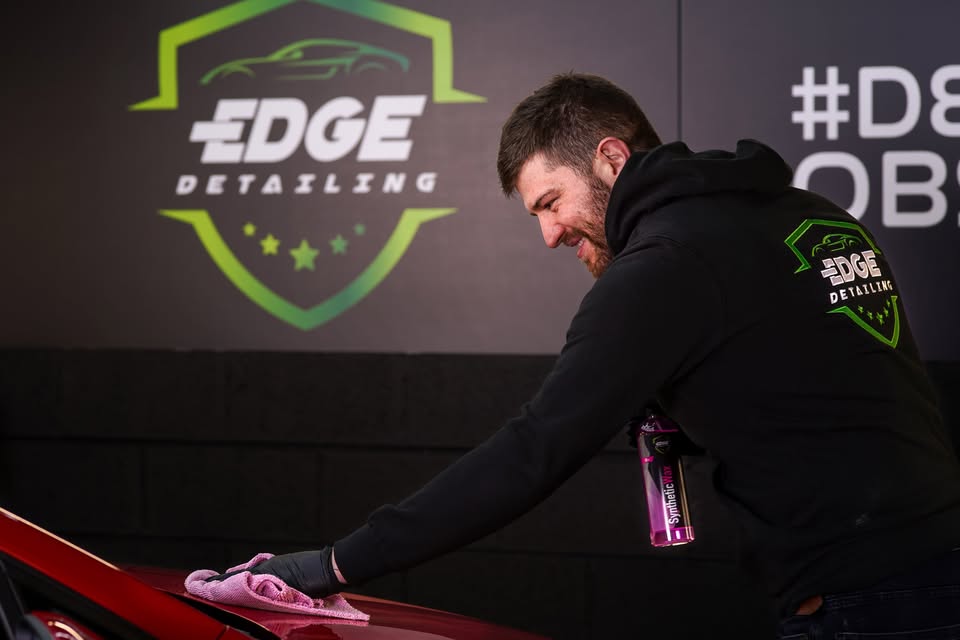
Once the kit’s on and the paint’s cured, the job isn’t really finished, not if you actually want it to last more than a season. New paint needs curing time before waxing or heavy washing, usually somewhere around a few weeks minimum depending on the products used. This is actually where car polishing Cork services come into the picture for a lot of local owners once that install is done, because after the curing window passes, a proper polish brings out the depth in the fresh paintwork and helps it blend seamlessly with the rest of the car’s existing finish. Skipping this step, or doing it too early before the paint’s fully hardened, can actually damage the surface before it’s ready for that kind of contact. A decent shop will tell you exactly when it’s safe to book that polish appointment, and a decent detailer will ask when the paint was done before they even touch it with a buffer.
Cost, And Why Cheap Kits Cost More Later
Everyone wants the best price, that’s completely normal, nobody’s got unlimited money sitting around for car mods. But there’s a real difference between a shop quoting low because they’re genuinely efficient at what they do and one quoting low because they’re skipping steps you won’t notice until later. Cheap kits often mean thinner material that cracks in cold weather within a year, poor fitment that needs redoing entirely, or paint jobs that start peeling at the edges after a handful of car washes. Spend a bit more upfront with a shop that actually has reviews and photos of past work they’re proud to show, and you’ll save money long term because you won’t be paying twice for the same job done properly the second time around. It’s basic math really, even if it doesn’t feel that way when you’re staring at two very different quotes side by side and one number looks a lot friendlier.
I get asked a lot whether it’s worth financing a proper install instead of waiting to save the full amount. Honestly, it depends on the person, but I’d rather see someone wait three extra months and go with a shop that does the job once, correctly, than rush into the cheaper option and end up back at square one with a car that looks worse than before they started. There’s no shame in waiting for it to be done right.
Conclusion
At the end of the day this all comes down to research, not luck, and definitely not just picking whoever answers the phone first. Look at their past work closely, ask how long they’ve specifically been doing body kits rather than general bodywork or dent repair, and don’t be afraid to walk away if something feels rushed or vague during the quote process. A shop that’s confident in their own work will happily show you cars they’ve finished, walk you through the whole process step by step, and give you a straight answer on materials and timeline without dodging the question or getting defensive. That kind of confidence usually translates directly into the kind of care your car actually needs once it’s up on the lift and the real work begins.
Getting a body kit fitted right isn’t complicated once you know what to actually look for, but it does take a bit of patience and a willingness to ask the annoying questions before handing your keys over to a stranger. The shops that do this well aren’t always the flashiest ones with the biggest signs out front either, sometimes they’re the quieter garages tucked away that just do consistently solid work and let their finished cars do the talking instead. Take your time picking one, check their process properly, ask about materials and how they handle paint matching, and don’t skip the aftercare once the kit’s finally on the car.
None of this needs to be stressful, and it shouldn’t feel like a gamble every time you drop the car off. Talk to the shop like you’d talk to anyone doing important work on something you care about, ask direct questions, and trust your gut if something feels off during that first conversation. Do all that, and you’ll end up with a car that not only looks the part but actually holds up the way it should for years down the road, long after the excitement of the first drive has worn off and the novelty’s settled into something you’re just genuinely proud to own.


 Hemiton Global
 Total Secure Technology