Olive Mine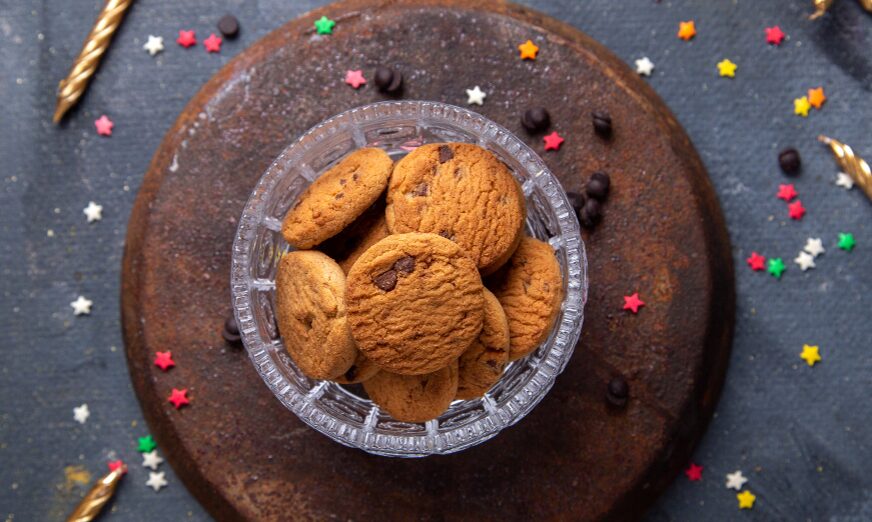
There’s a moment at almost every well-planned event where the room shifts — where people who were standing at a polite distance suddenly cluster together, start talking to strangers, and actually look like they’re having fun. Nine times out of ten, that moment happens around food. Not the seated dinner. Not the passed canapés. The station. The thing guests can touch, build, and personalise in real time.
Interactive cookie stations have become one of the more talked-about trends in event design — and understanding why requires looking past the obvious. It’s not just about the cookies. It’s about what the format does to the room, the energy, the experience. For event planners exploring cookie catering as a live element, the appeal goes considerably deeper than novelty.
The Psychology of Participation
Passive eating is forgettable. Think about every event where food simply appeared on a table — guests approached, loaded a plate, and returned to their conversations. The food was consumed, maybe appreciated, and that was that.
An interactive station flips this entirely. When guests are invited to decorate, assemble, or personalise what they’re eating, they become active participants rather than passive recipients. That distinction matters more than it sounds. Cognitive engagement with an activity — even something as light as choosing between three types of icing — creates a memory anchor. People remember what they did far more vividly than what they merely ate.
It’s the same reason paint-your-own pottery cafés outlasted most café trends. The act of making something, however brief, creates ownership. And ownership creates satisfaction.
Social Friction, Dissolved
Here’s what nobody talks about openly: most events have an awkward phase. The first forty-five minutes, before conversations find their groove, can feel genuinely stiff. Guests who don’t know each other hover near edges, check their phones, make small talk that goes nowhere.
A well-positioned cookie decorating station solves this structurally. It gives strangers a shared task. Something to look at together, comment on, laugh about. “Did yours turn out better than mine?” is an easier opening line than almost anything a guest might attempt from scratch. The station becomes social lubricant — without being forced or gimmicky.
At corporate events especially, this kind of structured informality can do more for cross-team bonding in twenty minutes than a scheduled icebreaker activity does in an hour. Strange, but true.
The Aesthetic Dimension
Cookie stations also photograph extraordinarily well. That matters now in ways it didn’t a decade ago. Guests document events and share them — often in real time — and a beautifully laid out decorating station, with rows of piping bags, coloured sugars, and warm biscuits fresh from a display warmer, is genuinely compelling content.
The visual design of the station signals something before guests even approach: this event paid attention to details. That signal compounds. People arrive already disposed to enjoy it, because the presentation has told them this experience is worth their time.
Contrast that with a generic dessert table. Same ingredients, arguably. But interactivity transforms it from a backdrop into a destination.
Flexibility Across Event Types
What makes cookie stations genuinely versatile is how well they adapt. At a wedding, they can be themed to match a colour palette, with personalised icing options that double as a keepsake. At a children’s party, the format is self-explanatory — kids will queue. At a corporate product launch, the station can be designed around brand colours and shapes, turning a dessert element into a subtle branding exercise.
The format also handles dietary diversity gracefully. A station with clearly labelled options — gluten-free bases, vegan toppings, nut-free decorations — accommodates a wide range of guests without making anyone feel like an afterthought. That kind of inclusive design is quietly powerful.
Quality Is Non-Negotiable
None of this works if the product itself falls short. Guests will decorate an average cookie, but they won’t rave about one. A genuinely memorable station depends on starting with something worth decorating.
Premium cookies — made with quality butter, real vanilla, and correctly balanced flour — provide a base that tastes as good as it looks. No amount of artful icing rescues a dry, bland biscuit. The decorating element amplifies quality; it doesn’t replace it. Event planners who treat the baked base as an afterthought usually find the station underperforms despite looking great on paper.
The Lasting Impression
Guests leave events carrying memories, not menus. What sticks is rarely the food itself — it’s the feeling of an experience, the story they can retell. A cookie they decorated themselves, that they photographed, that sparked a conversation with someone they’d never have spoken to otherwise — that’s a story.
Interactive stations work because they understand something fundamental about hospitality: the best gift an event can give its guests isn’t just something good to eat. It’s something worth remembering.

 dhol soul
 webrise seo