Kevin Hill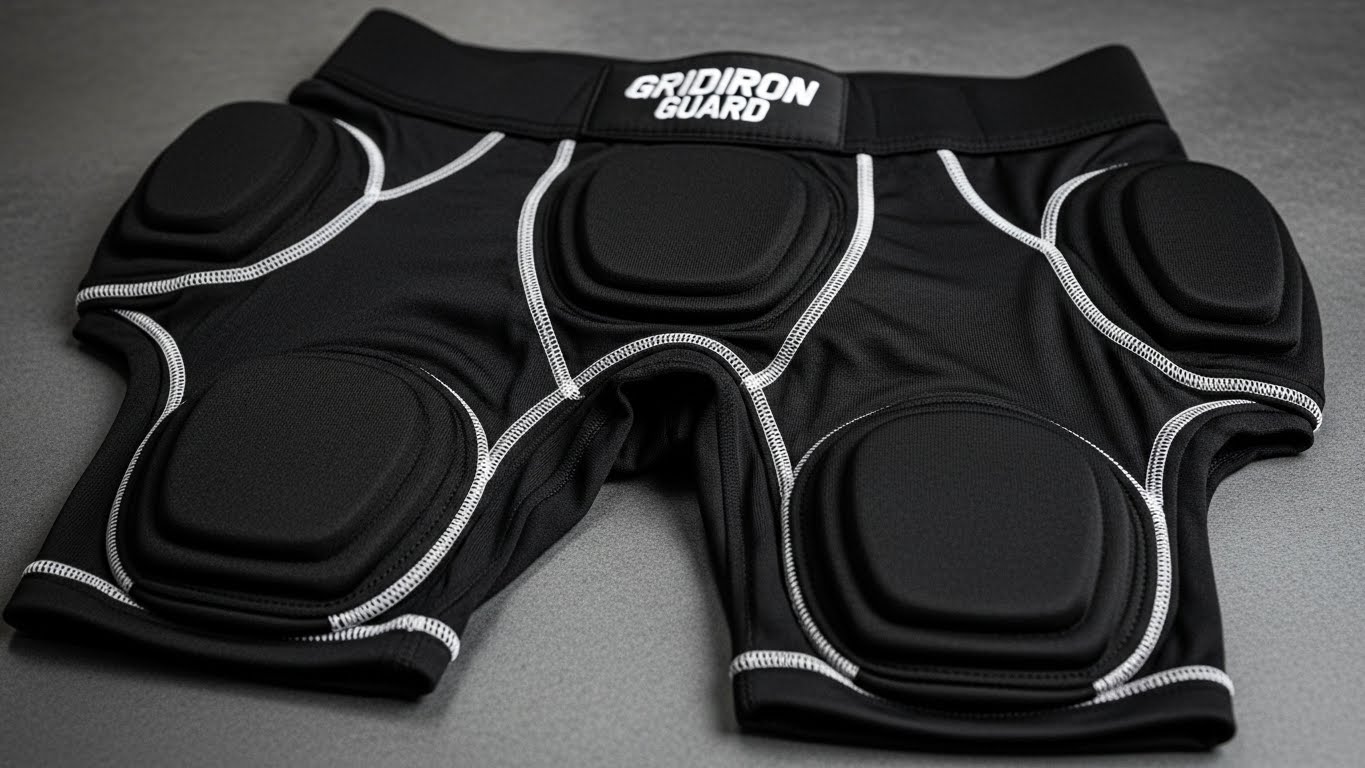
The football equipment landscape has undergone a dramatic transformation over the past two decades, with few innovations proving as impactful as the shift from traditional separate hip and thigh pads to modern integrated systems. Integrated football girdles have fundamentally changed how players approach lower body protection, offering a streamlined solution that addresses the shortcomings of conventional padding while enhancing both safety and performance. This evolution represents not merely a design preference but a comprehensive reimagining of how football players should be protected from the waist down.
The Problems with Traditional Hip and Thigh Padding
For decades, football players relied on separate hip and thigh pads inserted into pockets sewn into their football pants. This system, while functional, suffered from numerous persistent problems that frustrated players, equipment managers, and coaches alike. The fundamental issue was simple: separate pads refused to stay in place during the dynamic movements football demands.
Traditional pads shifted during play, migrating away from vulnerable areas and leaving players exposed to impacts. A hip pad that begins the game in proper position might end up several inches out of alignment by the second quarter, offering little protection when a player takes a hit. Thigh pads routinely rotated, slipped downward, or bunched uncomfortably in the pocket, creating both safety risks and performance hinderances.
Equipment management presented another significant challenge. Keeping track of ten separate pads per player—two hip pads, two thigh pads, two knee pads, and often additional tailbone and sacrum protection—created logistical nightmares for team equipment staffs. Pads were frequently lost, mismatched, or left in soiled pants after games. The time required to properly outfit players with traditional padding systems consumed valuable practice minutes and created opportunities for improper equipment use.
How Integrated Systems Solve These Issues
Integrated football girdles revolutionized lower body protection by permanently attaching all necessary padding to a compression short garment worn beneath football pants. This seemingly simple design change eliminated virtually all the problems associated with traditional padding systems while introducing significant additional benefits.
The compression fabric foundation holds pads firmly in anatomically correct positions regardless of how intensely players move, cut, or collide. Hip pads remain centered over the iliac crest, thigh pads stay positioned over the quadriceps, and knee pads maintain coverage over the patella throughout an entire game. This consistent positioning ensures that protection exists exactly where and when players need it.
Modern football compression girdles typically feature seven-piece pad configurations covering the hips, thighs, knees, and tailbone. Advanced designs use impact-absorbing foam technology in multiple density levels—harder shells for direct impact absorption and softer foam layers for comfort and impact distribution. Some premium models incorporate gel padding or advanced polymers that harden upon impact while remaining flexible during normal movement.
Performance Advantages of Integrated Systems
Beyond protection consistency, integrated football girdles deliver measurable performance advantages that separate pad systems cannot match. The compression fabric provides muscle support that reduces fatigue and enhances proprioception—an athlete’s sense of body position and movement. This enhanced body awareness contributes to better balance, quicker direction changes, and improved overall athleticism.
The streamlined profile eliminates the bulk associated with traditional padding. Separate pads, especially when they shift out of position, create lumps and pressure points that restrict movement and cause discomfort. The low-profile design of girdle systems allows unrestricted hip flexion and leg extension, critical for the explosive movements football demands.
Weight reduction represents another performance benefit. While individual pads may seem light, the combination of separate hip, thigh, and knee pads plus the pants pockets that hold them adds considerable weight. Modern girdle systems consolidate this protection into a single garment that typically weighs 15-25% less than equivalent traditional padding systems while providing superior coverage.
Enhanced Safety Through Complete Coverage
Traditional padding systems inevitably left gaps in protection—areas between pads where the body remained exposed to impact. The space between hip pads and thigh pads, for instance, left the greater trochanter vulnerable. When separate pads shifted during play, these gaps widened dramatically, sometimes leaving large portions of the hip and thigh completely unprotected.
football compression girdles eliminate protection gaps through comprehensive coverage that extends from waist to knee in a continuous protective envelope. The compression fabric itself provides a baseline level of impact absorption, while strategically positioned pads offer reinforced protection over high-risk impact zones.
Research published in the Journal of Sports Engineering and Technology examined injury rates among high school football players using traditional padding versus integrated systems over three seasons. The study found that athletes wearing integrated football girdles experienced 34% fewer hip pointers, 28% fewer thigh contusions, and 19% fewer knee injuries compared to those using separate pad systems. These reductions translated to fewer missed practices and games, better season-long performance, and reduced long-term injury risk.
Convenience and Equipment Management Benefits
The practical advantages extend well beyond game day performance. Equipment managers consistently cite girdle systems as transformative for their operations, eliminating the endless cycle of tracking, distributing, collecting, and laundering dozens of separate pads for each player.
With girdle systems, players simply pull on a single garment that contains all necessary lower body protection. This simplicity virtually eliminates the possibility of taking the field with missing or improperly positioned pads—a common occurrence with traditional systems that puts players at unnecessary risk.
Laundering becomes straightforward since the entire protective system can be machine washed as a single unit. Most integrated football girdles feature removable pads for thorough cleaning, but even models with permanently attached padding can be effectively laundered using standard athletic equipment washing protocols. This ease of maintenance promotes better hygiene and extends equipment lifespan.
Customization and Position-Specific Options
Modern girdle systems offer extensive customization options that traditional padding systems couldn’t accommodate. Manufacturers produce position-specific models optimized for the unique demands different roles place on players. Linemen’s girdles feature maximum hip and thigh protection with reinforced padding to withstand frequent high-impact collisions. Skill position models prioritize mobility with strategically placed, lower-profile padding that doesn’t sacrifice protection but maximizes speed and agility.
Some advanced football compression girdles feature modular designs allowing players to add, remove, or upgrade individual pad components based on personal preference, injury history, or position requirements. This flexibility ensures that every player can achieve their ideal balance of protection, comfort, and performance.
Sizing options have expanded dramatically as girdle adoption has increased. Where traditional padding came in generic small, medium, and large sizes, contemporary girdles offer sizing systems based on waist measurement, inseam length, and body type, ensuring proper fit across the diverse body compositions found in football programs.
Youth Football Adoption and Safety Culture
The shift toward integrated systems has been particularly pronounced in youth football, where safety concerns weigh heavily on parents, coaches, and league administrators. Youth players often struggle to properly position and maintain traditional padding due to limited experience and developing body awareness. Integrated systems remove this variable, ensuring consistent protection regardless of player experience level.
Youth football organizations including USA Football and Pop Warner have increasingly recommended or required integrated football girdles as awareness of their safety benefits has grown. Some leagues now mandate girdle systems for all participants, recognizing that consistent, reliable protection represents a foundational element of injury prevention.
The simplicity also reduces the financial burden on youth football families. Rather than purchasing multiple sets of pads that are easily lost or damaged, families invest in durable girdles that typically last multiple seasons and can often be handed down to younger siblings if properly maintained.
Material Technology and Innovation
The material science underlying modern girdle systems continues advancing rapidly. Contemporary compression fabrics incorporate moisture-wicking technology that pulls sweat away from skin, preventing the chafing and discomfort that plagued earlier compression garments. Four-way stretch materials accommodate the extreme ranges of motion football demands without restricting movement or creating binding.
Pad technology has evolved from simple foam inserts to sophisticated multi-layer systems. Many premium football compression girdles now feature impact-absorbing polymers that remain flexible during normal activity but instantaneously stiffen upon impact, providing superior protection without compromising comfort. Some incorporate ventilation channels through pad structures that promote airflow and heat dissipation—a crucial consideration given that compression garments can trap heat.
Antimicrobial treatments prevent odor-causing bacteria growth, an important feature for equipment worn in close contact with skin during intense physical activity. Flatlock seams eliminate the raised stitching that causes irritation, while elastic waistbands with silicone grips ensure girdles stay properly positioned throughout competition.
Cost Analysis and Value Proposition
While integrated systems typically carry higher upfront costs than purchasing separate traditional pads—ranging from $35-90 for quality youth models and $50-120 for adult sizes—the total cost of ownership often favors girdle systems. Traditional padding requires ongoing replacement as individual pads are lost, damaged, or wear out at different rates. Girdles consolidate this expense into a single purchase that typically outlasts multiple sets of traditional pads.
The injury prevention benefits also generate indirect cost savings. Football injuries cost families and programs thousands of dollars in medical expenses, rehabilitation, and lost participation time. Equipment that demonstrably reduces injury incidence represents a prudent investment that pays dividends in player safety and healthcare cost avoidance.
Professional and Collegiate Adoption Trends
The transition has occurred across all levels of football competition. NFL players have overwhelmingly embraced girdle systems, with adoption rates exceeding 90% according to equipment manager surveys. College programs similarly report near-universal girdle usage, driven by both performance advantages and injury reduction data.
This top-down adoption has accelerated acceptance at lower competitive levels. Young players who aspire to play college or professional football increasingly view girdles as standard equipment rather than optional accessories, creating market pressure that further drives innovation and improvement in girdle technology.
Conclusion
The replacement of traditional separate hip and thigh pads by integrated football girdles represents one of the most significant advancements in football equipment design in recent decades. By solving the persistent problems of pad migration, incomplete coverage, and equipment management complexity, girdle systems have delivered meaningful improvements in player safety, performance, and convenience.
As material technology continues advancing and design innovations emerge, these protective systems will only become more effective at their dual mission of protection and performance enhancement. For programs and players at every competitive level, the question is no longer whether to adopt girdle systems but rather which specific model best meets their particular needs. The era of traditional separate padding has effectively ended, replaced by a superior approach that better serves the athletes who depend on equipment to keep them safe while pursuing excellence on the football field.


 Accounting Experts
 tiptop einrichtung