Varroc Connect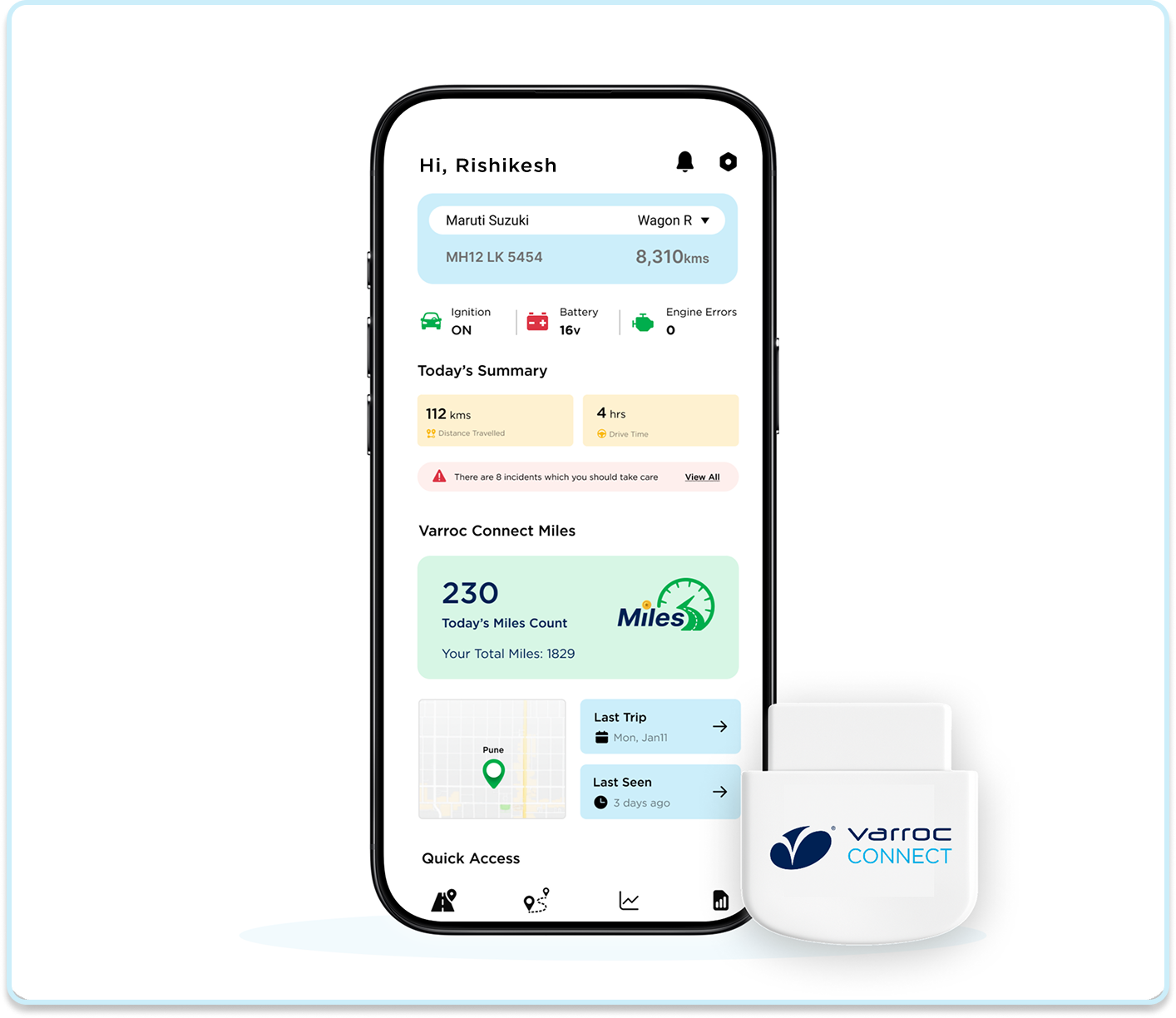
India’s relationship with vehicles has changed dramatically over the last decade. Cars are no longer just machines that take us from one place to another; they have become connected assets that generate useful data every day. From daily commuters in cities like Gurugram and Bengaluru to logistics companies managing hundreds of vehicles across states, people now expect more visibility, safety, and control over their vehicles.
This growing demand has pushed connected vehicle technology into the mainstream. Today, drivers want to know where their vehicle is, how efficiently it is performing, and whether something might go wrong before it actually does. Solutions like a car tracking device are becoming common not just for fleet owners but also for individual vehicle users who want peace of mind.
Connected mobility platforms such as Varroc Connect are helping bridge this gap by combining telematics, cloud technology, and mobile applications into one seamless ecosystem that keeps vehicles, drivers, and businesses connected at all times.
The Rise of Connected Mobility in India
India has one of the fastest-growing automobile markets in the world. With increasing vehicle ownership and expanding highway networks, managing vehicle safety and efficiency has become more important than ever.
Earlier, most vehicle problems were discovered only after something went wrong—an engine issue during a road trip or sudden fuel inefficiency that went unnoticed for months. Now, technology allows drivers and fleet managers to detect patterns and performance trends in real time.
This is where vehicle performance monitoring plays a crucial role. Instead of waiting for mechanical failures, connected systems continuously analyse engine behaviour, driving patterns, and operational health. For businesses operating delivery fleets, this insight can mean the difference between smooth operations and costly downtime.
For everyday drivers, it simply means fewer surprises on the road.
How Connected Tracking Is Changing the Driving Experience
Modern connected vehicle platforms combine hardware installed inside the vehicle with mobile and cloud-based tools that provide live updates. What once required specialised fleet software can now be accessed directly from a smartphone.
A typical connected mobility setup can help users in several practical ways:
- Real-time vehicle location tracking for security and convenience
- Alerts for unusual movement or unauthorized usage
- Insights into fuel efficiency and driving behaviour
- Maintenance reminders based on vehicle usage data
- Historical travel reports useful for fleet management
These features are especially valuable in India, where vehicles often travel long distances and operate in varied road conditions.
A reliable car tracking device integrated with intelligent telematics can turn raw vehicle data into meaningful insights that drivers can actually use.
Data That Helps Drivers Make Better Decisions
Many Indian drivers still rely on intuition when it comes to vehicle maintenance. While experience is helpful, connected systems add another layer of accuracy by analysing data collected directly from the vehicle.
With modern telematics, drivers can track speed patterns, idling time, and fuel efficiency trends over weeks or months. This information supports better vehicle performance monitoring, helping owners understand whether their car is running optimally or if servicing might be needed soon.
For businesses managing fleets, the benefits are even bigger. Monitoring driver behaviour, route efficiency, and vehicle health can significantly reduce operating costs while improving safety.
In a country where logistics and mobility are expanding rapidly, data-driven vehicle management is becoming less of a luxury and more of a necessity.
The Role of Mobile Technology
One of the biggest reasons connected vehicle solutions are growing so quickly in India is the widespread use of smartphones. Almost every driver today carries a mobile device, which makes it easy to access vehicle information anytime.
A well-designed gps tracker app can provide live updates, trip history, and security alerts directly on a user’s phone. Whether someone wants to check if their parked vehicle is safe or review the route taken by a delivery vehicle, the information is available instantly.
For families, this also adds an extra layer of reassurance when younger drivers or elderly parents are using the car.
Platforms like Varroc Connect integrate these mobile capabilities with secure cloud infrastructure, ensuring that vehicle data remains accessible while staying protected.
Interestingly, a modern gps tracker app doesn’t just show maps anymore—it acts as a digital dashboard for the entire vehicle.
Looking Ahead: The Future of Smart Vehicles in India
As India moves toward smarter mobility and connected transportation, the integration of telematics into everyday vehicles will only accelerate. Government regulations, insurance innovations, and the growth of electric vehicles are all pushing the industry toward smarter, data-driven solutions.
For drivers and businesses alike, connected vehicle platforms are becoming tools that improve safety, reduce costs, and simplify vehicle management.
What started as a niche technology used mainly by logistics companies is now becoming a practical solution for anyone who owns a vehicle.
And in a country where mobility powers economic growth, smarter vehicles may soon become the new normal.
FAQs
- What is connected vehicle technology?
Connected vehicle technology refers to systems that allow vehicles to communicate with cloud platforms and mobile applications, enabling tracking, diagnostics, and real-time data insights. - Are vehicle tracking solutions useful for personal car owners?
Yes. Individual drivers can use connected solutions for security, trip tracking, maintenance alerts, and better understanding of their vehicle’s health. - Can connected vehicle platforms help businesses manage fleets?
Absolutely. Fleet operators use telematics platforms to monitor driver behaviour, optimize routes, reduce fuel costs, and maintain vehicle health more efficiently.


 sagar Sagar
 allbiz listing