ARVR Optical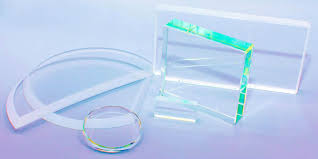
In the optical industry, even the smallest material flaw can affect performance, accuracy, and product reliability. One of the most overlooked yet critical components in optical systems is window glass. Many manufacturers face issues such as light transmission loss, surface distortion, thermal instability, and coating compatibility. These problems can reduce optical clarity and negatively impact system efficiency.
To achieve precise optical performance, choosing the right window glass is essential—especially for applications where protection and transparency must work together.
What Is Window Glass in the Optical Industry?
In optical applications, window glass is a transparent protective element placed in front of sensitive optical components. Its primary role is to shield internal optics from dust, moisture, pressure, and mechanical damage while allowing light to pass through with minimal distortion.
Unlike standard architectural glass, optical window glass is manufactured with controlled thickness, flatness, and material purity. It is commonly used in cameras, sensors, lasers, medical devices, and industrial optical systems.
Common Problems Caused by Poor-Quality Optical Window Glass
Using unsuitable or low-grade window glass can lead to several performance issues:
-
Reduced light transmission efficiency
-
Image distortion due to surface irregularities
-
Thermal expansion causing misalignment
-
Reflection losses affecting signal accuracy
-
Coating failure in harsh environments
These issues are especially critical in precision optics, where accuracy and consistency are non-negotiable.
How Optical Window Glass Solves These Issues
High-quality window glass is engineered to eliminate these problems through material control and precision manufacturing.
High Optical Transmission
Optical-grade window glass allows maximum light to pass through with minimal absorption or scattering, preserving image clarity and signal strength.
Excellent Surface Flatness
Precision polishing ensures minimal wavefront distortion, making it suitable for high-resolution optical systems.
Thermal and Mechanical Stability
Specialized glass materials maintain performance under temperature changes and mechanical stress, ensuring long-term reliability.
Coating Compatibility
Optical window glass supports anti-reflection, infrared, or protective coatings, improving performance across different wavelengths.
Key Applications of Window Glass in Optics
Optical window glass is widely used across many industries, including:
-
Imaging and camera systems
-
Laser equipment and beam protection
-
Medical and diagnostic devices
-
Industrial sensors and inspection tools
-
Scientific and laboratory instruments
-
Defense and aerospace optical systems
In each application, the window glass acts as a protective barrier without compromising optical accuracy.
Why Optical Engineers Choose Precision Window Glass
For optical engineers, material selection directly impacts system performance. High-quality window glass enables consistent optical transmission, reduces maintenance needs, and extends product lifespan. It also integrates seamlessly into complex optical assemblies where precision alignment is critical.
To explore professional optical solutions, you can view available options here:
window glass
Choosing the Right Window Glass for Your Optical System
When selecting window glass, manufacturers should consider material type, thickness tolerance, wavelength range, and environmental conditions. Working with a specialized optical supplier ensures the glass meets strict quality standards and application-specific requirements.
A properly selected window glass enhances system reliability while protecting sensitive optical components.
Conclusion
In the optical industry, window glass is far more than a simple protective cover. It plays a crucial role in maintaining clarity, accuracy, and system stability. Poor material choices can lead to distortion, transmission loss, and reduced performance. By using precision-engineered window glass, optical manufacturers can ensure consistent results, long-term durability, and superior optical performance across demanding applications.


 Abhishekfarm sain
 Software Orca