Sahu
Sahu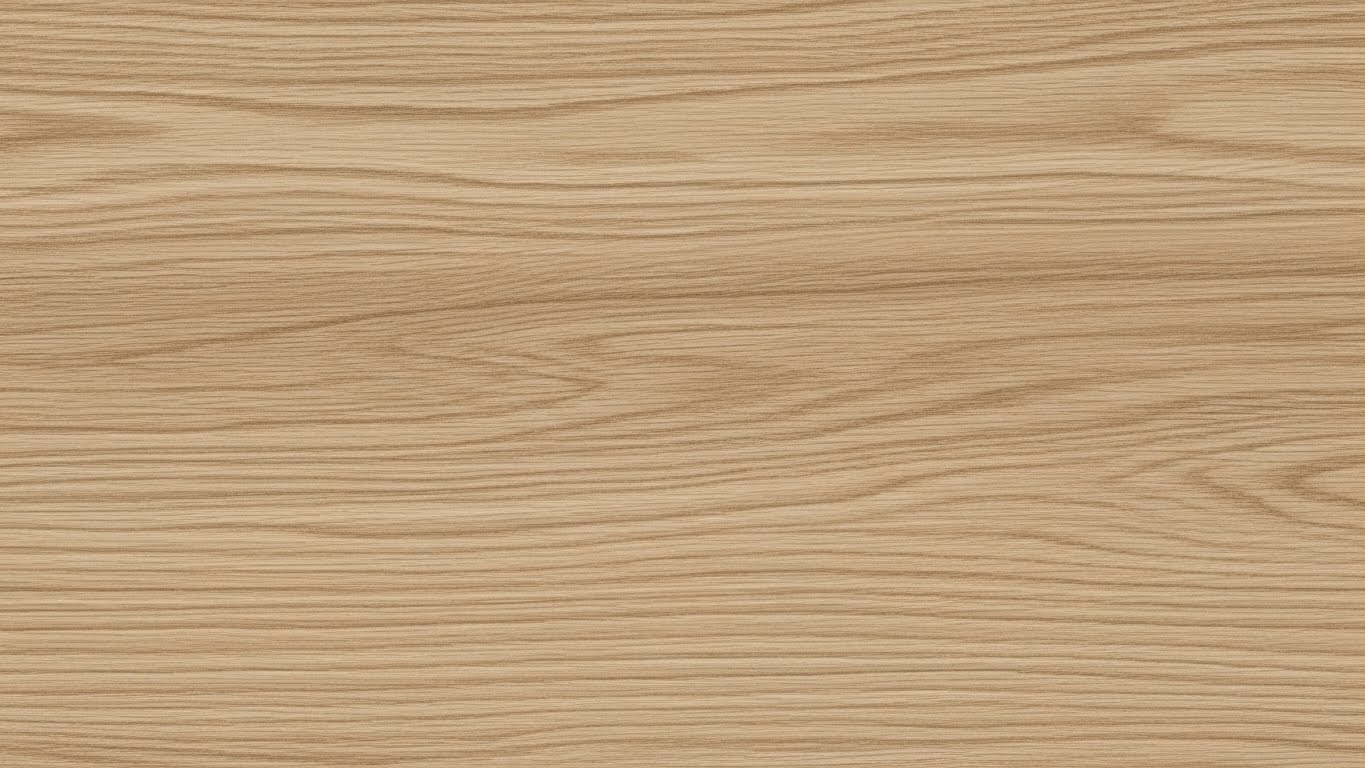
Wood texture grain defines the visual character of timber and shapes how people perceive furniture, flooring, and architectural surfaces. Designers, craftsmen, and homeowners rely on wood grain patterns to influence warmth, depth, movement, and natural beauty. From smooth straight grain lines to bold swirling figures, wood texture grain delivers personality to every wooden surface. It also impacts durability, finish quality, and long-term performance. Understanding how wood grain forms, the different pattern types, and how each species behaves allows you to select the right wood for both functional and aesthetic goals.
What Is Wood Texture Grain?
Wood texture grain refers to the visible alignment of wood fibers created by the tree’s growth pattern. These natural lines appear as streaks, waves, or curves across the surface of lumber. Grain does not only affect appearance. It also influences strength, moisture movement, machining behavior, and surface finishing. Straight grain typically produces smooth finishes and predictable cuts, while interlocked or figured grain adds dramatic visual interest but demands more skill during woodworking. Interior designers and manufacturers study grain closely to ensure consistency, performance, and visual harmony across large surfaces such as floors, wall panels, and cabinetry.
How Wood Grain Forms Naturally
Trees form grain patterns through annual growth rings, environmental stress, soil conditions, and climate fluctuations. Each year, trees produce new layers of fibers that expand outward from the trunk. Wet seasons create wider growth bands, while dry seasons produce tighter rings. Wind pressure, slope growth, and branch structure also influence grain direction. The sawmill cutting method further shapes visible grain. Plain sawn boards show bold cathedral patterns, quarter sawn lumber reveals straight vertical lines, and rift sawn cuts deliver uniform linear texture. These natural and mechanical processes work together to create unique visual variety in every board.
Major Types of Wood Texture Grain
Straight Grain
Straight grain describes fibers running parallel along the length of the board. Many softwood species and several hardwoods exhibit this pattern. Straight grain supports easier cutting, uniform staining, and predictable stability. Woodworkers favor it for structural projects, high-end cabinetry, and large furniture panels because it minimizes warping and tear-out during machining.
Wavy and Curly Grain
Wavy and curly grain forms when growth fibers shift direction in gentle undulations. This figure produces shimmering light reflections that change with viewing angle. Maple and cherry often display this trait. Fine furniture makers use curly grain to elevate decorative appeal in tabletops, musical instruments, and luxury millwork.
Interlocked Grain
Interlocked grain occurs when fibers reverse direction with each growth layer. Teak, African mahogany, and several tropical hardwoods develop this structure. It enhances visual depth but increases surface tear-out during planing. Skilled craftsmen often rely on hand tools or specialized sanding methods to refine this type of wood texture grain.
End Grain Patterns
End grain appears when wood gets cut perpendicular to the growth rings. Instead of lines, it displays circular or honeycomb-like patterns. Butchers’ blocks use end grain because it resists knife marks and compresses rather than splinters. End grain also absorbs more finish and darkens faster than face grain surfaces.
Hardwood vs Softwood Grain Differences
Hardwoods come from deciduous trees like oak, walnut, and maple. Their grain often appears dense, varied, and visually complex. Hardwood grain typically supports decorative furniture, flooring, and architectural millwork. Softwoods come from evergreen trees such as pine, spruce, and cedar. Their grain appears straighter and lighter in density. Builders commonly use softwood grain for framing, trim, and structural elements. Hardwood offers superior wear resistance and richer visual depth, while softwood provides faster growth cycles and cost efficiency. Both categories serve critical roles based on performance and visual demands.
Popular Wood Species and Their Grain Characteristics
Oak delivers one of the most recognizable wood texture grain patterns with bold growth rings and strong rays. Designers use oak extensively in flooring, staircases, and classic furniture. Maple features fine, subtle grain with an occasional curly figure, making it ideal for minimalist interiors and modern cabinetry. Walnut presents deep color variation and flowing grain, often chosen for luxury furniture and accent wall panels. Pine offers wide growth rings and visible knots that create rustic charm. Teak contains oily fibers with interlocked grain that resists water penetration, making it perfect for outdoor furniture and marine applications. Cherry darkens over time and showcases smooth, flowing grain that matures gracefully with age and light exposure.
Wood Texture Grain in Interior Design and Architecture
Interior designers use wood grain intentionally to influence mood and spatial perception. Vertical grain patterns elevate ceiling height and create visual movement on walls. Horizontal grain adds width and calmness to rooms. Light grain species like ash and maple support Scandinavian and minimalist styles, while dark textured woods such as walnut and mahogany cultivate richness and sophistication. Architects often balance grain complexity with clean geometry to avoid visual overload. Large continuous grain slabs remain popular in contemporary kitchens, boardroom tables, and reception counters. Sustainable forestry certifications now influence wood selection as well, ensuring both design quality and environmental responsibility.
Digital Wood Grain Textures for 3D and Design
Digital artists and product designers rely on high-resolution wood texture grain files for visualization. Platforms such as Adobe Substance 3D, Blender, and SketchUp allow designers to apply photorealistic wood patterns to virtual models. These textures simulate reflectivity, bump mapping, and pore depth through physically based rendering workflows. Game developers, interior visualizers, and furniture brands depend on accurate grain direction to match real-world manufacturing. PBR wood textures improve lighting realism and surface interaction in virtual environments while reducing costly prototyping cycles.
How Finishing Enhances Wood Grain
Wood finishing techniques dramatically influence how grain appears. Clear oil finishes penetrate fibers and amplify depth while preserving a natural look. Lacquers add gloss and protect surfaces from moisture and abrasion. Stains modify base color while highlighting contrast between earlywood and latewood growth layers. Grain fillers smooth porous species like oak and ash for mirror-like sprayed finishes. Craftsmen often apply multiple sanding stages between coats to maintain clarity and avoid muddy texture development. Proper finishing transforms raw lumber into refined visual surfaces without concealing natural grain movement.
Choosing the Right Wood Grain for Your Project
Selecting the right wood texture grain requires aligning function with aesthetics. Furniture makers prioritize grain stability and wear resistance in high-traffic areas. Designers consider light reflection and grain scale for room proportion. Digital creators evaluate UV mapping compatibility and texture resolution. Budget also impacts grain selection, as exotic figured woods command higher costs. Environmental exposure further shapes material choice for exterior applications, where moisture-resistant grain structures perform best. By defining the project’s functional demands and visual goals early, you avoid costly redesigns and achieve consistent visual impact.
Frequently Asked Questions (FAQs)
1. What is the difference between wood grain and wood texture?
Wood grain refers to the natural fiber pattern, while wood texture includes the surface feel and visual depth created by grain, pores, and finishing methods.
2. Which wood grain is strongest for furniture?
Straight grain hardwoods like oak and maple offer excellent strength, stability, and long-term performance.
3. Does wood grain affect durability?
Grain direction plays a major role in structural integrity, resistance to splitting, and moisture expansion behavior.
4. What type of wood grain looks best for modern interiors?
Maple, ash, and rift-cut oak provide clean, uniform grain patterns that suit modern and minimalist interiors.
5. Why does curly grain reflect light differently?
Curly grain shifts fiber angles, causing light to reflect unevenly and create a shimmering visual effect.
6. Can digital wood grain textures replace real wood in design?
Digital textures support accurate visualization but cannot replace the tactile feel and organic variation of real wood in physical spaces.


 Wardington House Nursing Home