ali writer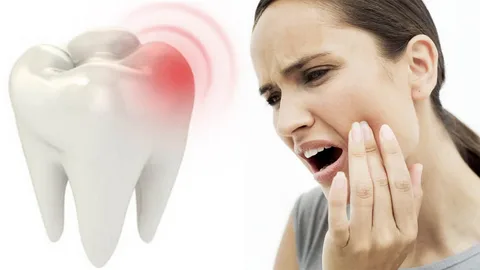
Tooth pain can start small, but it rarely stays that way. A quick sting while drinking something cold, a sharp jolt when you bite down, or a deep throbbing that keeps you awake at night, each type of pain is your mouth’s way of warning you that something isn’t right. Many people ignore dental discomfort until it becomes unbearable, but early signs often point to problems like cavities, infections, gum disease, or even impacted teeth. The good news is that the sooner you understand what your tooth pain means, the easier it is to treat.
5 Types of Tooth Pain
Tooth pain isn’t always “normal” or something that will go away on its own. Sometimes it’s your body’s way of telling you that a cavity, infection, or gum issue is getting worse. Understanding the type of pain you feel can help you take the right step before it becomes a bigger problem. Below are 5 types of tooth pain you should never ignore, and what they could be telling you.
1) Sharp Pain
Sharp tooth pain often feels intense and immediate, like a quick stab that makes you stop whatever you’re doing. This type of pain can happen when you bite down, drink something cold, or even breathe in cold air. In many cases, sharp pain points to tooth decay that has reached deeper layers of the tooth. It can also happen due to a cracked tooth, a damaged filling, or exposed tooth roots caused by gum recession.
Sometimes the pain is short and disappears quickly, but that doesn’t mean the problem is gone. A crack or cavity can get worse over time, turning a small issue into a major dental emergency. If sharp pain is repeating, it’s a sign you should get it checked before it becomes constant.
2) Sensitivity
Tooth sensitivity is one of the most common complaints people have, and it can be confusing because it doesn’t always feel “serious” at first. You might notice discomfort when eating ice cream, sipping hot tea, or brushing your teeth. Sensitivity usually happens when the protective enamel wears down, or when gums pull back and expose the sensitive root surface.
While mild sensitivity can sometimes be managed with desensitizing toothpaste, ongoing sensitivity may be a sign of cavities, gum disease, enamel erosion, or even early infection. Grinding your teeth at night can also weaken enamel and increase sensitivity over time. If sensitivity is getting stronger, lasting longer, or happening daily, it’s important to get a dental evaluation. Treating the cause early can protect your tooth structure and prevent more complicated treatments later.
3) Throbbing Pain
Throbbing tooth pain is the kind of discomfort that can take over your whole day. It often feels like pressure or pulsing inside the tooth, and it may get worse when you lie down at night. This type of pain is commonly linked to inflammation or infection inside the tooth, especially when the nerve becomes irritated.
A throbbing toothache may be caused by a deep cavity, an abscess, or gum infection. In some cases, swelling, bad taste, or tenderness around the tooth may also be present. If the infection spreads, it can lead to serious complications, so it’s not something to “wait out.” If your pain is persistent, severe, or keeping you awake, it’s time to see a dentist quickly. Relief may require treatment like a filling, root canal therapy, or infection control depending on the cause.
4) Pain When Biting
If you feel pain when biting or chewing, your tooth is likely telling you there’s structural damage or nerve involvement. This pain may feel sharp, sore, or like pressure that hits only when you apply force. It’s commonly associated with cracked teeth, loose fillings, damaged crowns, or even problems with the tooth root.
Sometimes the tooth looks fine from the outside, but a small crack can still cause pain when chewing. Another common reason is an uneven bite, where pressure is hitting one tooth too hard. Gum inflammation around the tooth can also cause discomfort during chewing. This kind of pain should never be ignored because cracks and bite issues usually worsen over time. The earlier the problem is identified, the easier it is to save the tooth and avoid bigger procedures.
5) Pain in the Back of Mouth
Pain in the back of your mouth can come from several causes, and it’s often harder to spot because the area is difficult to clean and see. Many people experience discomfort from wisdom teeth, especially if they are impacted or partially erupted. This can cause swelling, pressure, and pain that radiates into the jaw or ear.
Back mouth pain can also be caused by gum infection, cavities in the molars, or food getting trapped and irritating the gums. In some cases, a deep cavity in a back tooth may not hurt until it reaches the nerve, which can lead to sudden severe pain. If you feel soreness, swelling, or repeated discomfort in the back of your mouth, don’t delay. A dental exam can identify the root cause and prevent the issue from becoming more painful and costly.
Why Tooth Pain Should Never Be Ignored
- Tooth pain is usually a warning sign of a deeper problem like decay or infection.
- Small pain can quickly turn into severe pain if left untreated.
- Early treatment can save your tooth and prevent tooth loss.
- What starts as a simple cavity can become a root canal if ignored.
- Tooth infections can spread and affect your overall health.
- Ongoing sensitivity may mean enamel damage or gum recession.
- Pain can make eating, sleeping, and daily life difficult.
- Getting checked early helps reduce treatment cost and stress.
When to See a Dentist in Murphy
- Tooth pain lasts more than 1–2 days or keeps coming back.
- Pain gets worse at night or becomes hard to control.
- You feel swelling in the gums, face, or jaw.
- There is bleeding, pus, or a bad taste in your mouth.
- You have fever or feel sick along with tooth pain.
- Pain happens while chewing or biting down.
- Your tooth becomes sensitive to hot/cold for a long time.
- You feel pressure or pain near the wisdom teeth area.
- Visit Beautiful Smiles for expert care from Dr. Mona Ahmedin.
- If you want the best dentist in Murphy, don’t wait until it becomes an emergency.
Final Thoughts
Tooth pain can come in many forms, and each one carries an important message. Sharp pain, sensitivity, throbbing discomfort, pain when biting, or soreness in the back of the mouth should never be treated as “normal.” These symptoms often point to issues like cavities, cracks, infection, gum disease, or wisdom tooth problems that need timely care. The best step is to listen to your body and act early, even if the pain feels small today. Quick treatment can save your tooth, reduce discomfort, and prevent bigger dental problems later. For clear answers and peace of mind, a visit to a dental clinic in Murphy can help you understand what’s causing the pain and what treatment is best.


 Maraal Deniz