Sofia Jones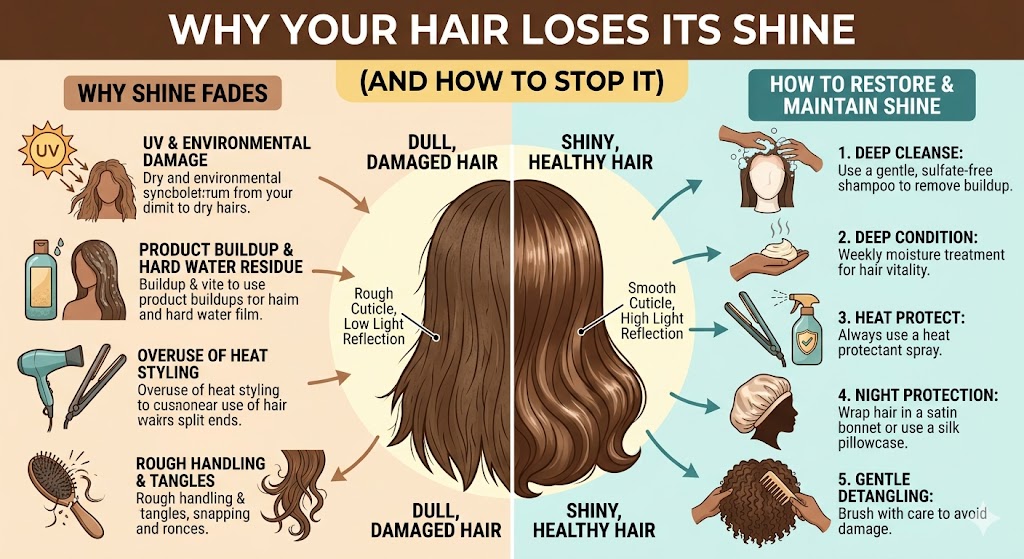
We’ve all been there. You invest in a high-quality unit, get it installed, and for those first few weeks, you feel like a movie star. The hair is bouncy, the shine is radiant, and every time you catch a glimpse of yourself in the mirror, you’re reminded of why you love your frontal hair. But then, time passes. Life happens. Maybe it’s the constant exposure to the elements, or perhaps that styling product you’ve been relying on has built up a little too much. Suddenly, that luscious hair just looks… tired. It’s lost its luster, it feels a bit stiffer than usual, and it isn’t moving the way it did on day one.
It’s easy to assume the hair is “done” or ruined, but that’s rarely the case. Usually, what you’re dealing with is a case of product buildup and environmental fatigue. The good news? You can absolutely bring that piece back to life. With the right technique, you can restore the vibrancy, the softness, and the shine of your frontal, whether you are rocking a sleek, straight style or a voluminous curly hair frontal. Let’s walk through how to treat your hair like the investment it is.

Why Your Hair Loses Its Shine (And How to Stop It)
Before we start scrubbing, it helps to understand why your hair has hit this slump. Think of your hair strands like a polished mirror. When they are clean and healthy, they reflect light perfectly. When the cuticle—the outer layer of the hair strand—gets roughed up or covered in a film of gunk, light hits it and scatters in different directions. That scattering is exactly what makes your hair look dull and matte instead of shiny and healthy.
The biggest culprit is almost always product buildup. If you’re like most of us, you reach for serums, holding sprays, and gels to keep your style in place. Over time, these products cling to the strands, and because your hair isn’t attached to your scalp (meaning it doesn’t receive natural oils), it can’t “self-clean.” Dirt, dust, and environmental pollutants latch onto that sticky residue, and before you know it, you’re dealing with a weighed-down, lifeless look.
Heat damage is the second major factor. We all love a good silk press or a perfectly curled look, but constant, high-heat exposure can permanently alter the hair’s texture. If the hair is already dry, heat basically cooks the remaining moisture right out of it.
The Art of the Deep Clean
The revival process starts with a reset. You need to strip away everything that shouldn’t be there without stripping away the actual health of the hair.
Start with detangling. This is a non-negotiable step. If you wash your hair while it’s tangled, you are setting yourself up for breakage. Use a wide-tooth comb or a dedicated detangling brush, and take your time. Start at the very tips of the hair and work your way up to the roots. If you are dealing with a curly frontal, do this while the hair is damp with a bit of leave-in conditioner. It gives the hair the “slip” it needs to release knots without snapping.
When it’s time to actually wash, skip the heavy, detergent-laden shampoos. You want a gentle, sulfate-free cleanser. If the hair feels truly heavy with product, you might want to use a clarifying shampoo, but focus your effort on the hair strands themselves. When washing a full lace frontal, be incredibly careful with the lace base. Scrubbing the lace like you’re doing laundry is the fastest way to cause shedding or thin out your knots. Use a soft, massaging motion.
Rinsing is equally important. Most people don’t rinse long enough. You want to make sure the water runs clear and that you don’t feel any “slippery” residue left on the hair. That leftover soap is the silent killer of shine—it attracts dirt faster than clean hair ever would.

Special Care for Texture: The Curly Hair Frontal
If you are working with a curly frontal or a curly hair frontal, you have a different set of challenges. Curly textures are thirsty by nature. Because of the way the hair shaft is shaped, the oils we do add have a harder time traveling down to the ends. This is why your curls look so good when wet but turn into a frizz-fest once they dry.
Instead of fighting the texture, lean into it. For these units, try a co-wash. This is basically washing your hair with conditioner instead of shampoo. It cleanses the hair gently while pumping it full of the moisture it desperately needs.
Deep conditioning is your secret weapon here. Don’t just put the conditioner on and rinse it off 30 seconds later. You need to let it sit. Put a plastic cap over your hair and give it 20 to 30 minutes. If you have a hooded dryer, even better. The heat opens the cuticle just enough to let the deep conditioner sink in. When you rinse it out—and do this with cool water—you’re sealing the cuticle, which creates a smooth surface that reflects light. That is where the shine comes from.
Protecting the Foundation: Full Lace Frontal Maintenance
With a full lace frontal, you are balancing two different jobs: keeping the hair shiny and keeping the lace clean. If you get heavy oils or serums on the lace, you risk your adhesive (or even your glue-less method) failing.
The best strategy is to focus your product application on the mid-lengths and the ends. The hair closest to the roots usually has plenty of “volume” and doesn’t need to be weighed down by heavy serums. If your knots are looking a bit dull or ashy from makeup or lace tint, don’t try to wash that out with heavy scrubbing. Take a Q-tip or a soft makeup brush dipped in a bit of micellar water. Gently dab the lace to clean it. It’s precise, it’s safe, and it won’t tug on your delicate hair strands.

The Little Things That Make a Big Difference
Maintaining the shine is about your daily habits. It’s what you do when you aren’t thinking about it that counts.
First, let’s talk about the nighttime. Cotton pillowcases are essentially moisture vampires. They suck the hydration right out of the hair and create friction, which causes frizz. Switch to a satin or silk bonnet, or at the very least, a satin pillowcase. It’s the easiest upgrade you can make for the longevity of your hair.
Second, re-evaluate how you use heat. If you’re reaching for the flat iron every single morning, you’re fighting a losing battle against shine. Try to embrace heatless styling methods when you can—braid it out, use flexi-rods, or let it air dry. If you must use heat, always, always use a heat protectant. Treat it like a seatbelt—don’t drive without it.
Is It Time for a New Look?
While a good deep clean works wonders, sometimes hair just reaches the end of its life cycle. If you’ve treated your piece with love and it’s still looking dull and tired, don’t be too hard on yourself. Sometimes the best way to revive your style is a fresh start.
With Mother’s Day coming up, it’s a perfect time to look for a sale. We often run promotions around this time, and it’s the best opportunity to grab a new, high-quality unit at a value that makes it easier to try a different texture or length. Treating yourself to a fresh, healthy unit is a great way to guarantee that “just-installed” feeling all over again.

Final Thoughts: The Pros and Cons
Let’s look at the reality of this maintenance routine. The upside is clear: your hair lasts longer, it looks better, and you feel more confident. You’re getting your money’s worth out of your purchase. The downside is that it takes time. You can’t rush a deep condition, and you can’t get lazy with your nightly routine.
Is it worth the extra 20 minutes a week? Absolutely. A frontal is an investment in how you present yourself to the world. When you take the time to restore the shine and health of your hair, it shows. You’re not just wearing a unit; you’re maintaining a look that makes you feel powerful.
If you ever feel stuck, just remember the basics: keep it clean, keep it hydrated, and keep the heat to a minimum. If you follow those three rules, you’ll find that your hair stays shiny and beautiful for far longer than you ever expected. It really is that simple.


 Crux Athletica
 Rohit Verma