Rohit nagar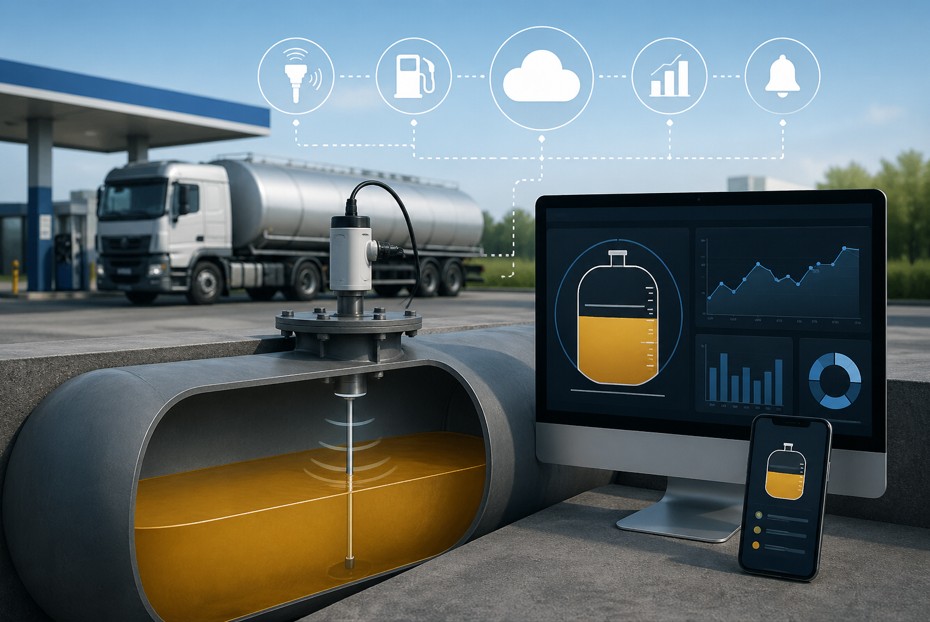
Managing fuel expenses is one of the biggest challenges for fleet-based businesses today. Whether you operate logistics vehicles, construction machinery, or delivery vans, fuel consumption directly impacts your bottom line. This is where a modern fuel monitoring system becomes essential. It helps businesses track fuel usage, prevent theft, and improve overall operational efficiency.
In this blog, we’ll explore how fuel monitoring works, why it matters, and how it can transform your fleet management strategy.
What is a Fuel Monitoring System?
A fuel monitoring system is a technology-driven solution that tracks fuel usage in real-time using sensors, GPS tracking, and analytics software. It provides detailed insights into fuel consumption patterns, refueling events, and possible fuel losses.
These systems are typically integrated with vehicle tracking platforms, allowing fleet managers to monitor both vehicle movement and fuel data from a single dashboard.
Instead of relying on manual logs or assumptions, businesses can now make data-driven decisions based on accurate fuel reports.
Why Fuel Monitoring is Important for Businesses
Fuel is a recurring and high-cost expense. Without proper monitoring, companies often face issues like fuel theft, inefficient usage, and inaccurate reporting.
1. Prevent Fuel Theft and Misuse
Fuel pilferage is a common issue in fleet operations. A reliable fuel tracking device helps detect sudden drops in fuel levels and alerts managers instantly. This transparency reduces the chances of unauthorized fuel usage.
2. Improve Cost Efficiency
When you understand how fuel is consumed across vehicles, you can identify inefficiencies such as excessive idling, harsh driving, or route deviations. With proper fuel tracking, businesses can optimize routes and reduce unnecessary fuel expenses.
3. Accurate Reporting and Compliance
Manual fuel logs are prone to errors. Automated systems generate precise reports, making it easier to manage audits, billing, and compliance requirements.
How a Fuel Monitoring System Works
A typical fuel monitoring setup includes sensors installed in the fuel tank, GPS tracking devices, and cloud-based software.
Fuel Sensors
These sensors measure the exact fuel level inside the tank. They can detect even minor changes, ensuring accurate tracking.
GPS Integration
GPS devices track vehicle location and movement. When combined with fuel data, businesses can analyze fuel usage based on routes and driving patterns.
Software Dashboard
All data is displayed on an easy-to-use dashboard. Managers can view fuel consumption, refill history, and alerts in real time.
Key Features of a Modern Fuel Monitoring System
Real-Time Fuel Tracking
Get live updates on fuel levels and consumption. This helps in quick decision-making and reduces delays.
Alerts and Notifications
Instant alerts for fuel theft, sudden drops, or unusual consumption patterns ensure better control.
Detailed Reports
Access daily, weekly, or monthly reports to analyze trends and optimize operations.
Integration with Fleet Management
A good system integrates seamlessly with vehicle tracking, offering a complete fleet overview.
Benefits of Using Fuel Monitoring Technology
Better Fleet Productivity
When fuel usage is optimized, vehicles perform more efficiently. Drivers become more accountable, and operations run smoothly.
Reduced Operational Costs
By eliminating fuel wastage and theft, businesses can significantly cut down expenses.
Data-Driven Decisions
Insights from fuel reports help managers make informed decisions regarding routes, vehicle maintenance, and driver performance.
Increased Transparency
With accurate data, there is complete visibility across operations, reducing disputes and improving trust within teams.
Industries That Benefit from Fuel Monitoring
Fuel monitoring is not limited to logistics companies. It is widely used across multiple industries:
Logistics and Transportation
Track fuel consumption across long-distance deliveries and optimize routes.
Construction
Monitor fuel usage in heavy machinery and prevent misuse on-site.
Mining
Ensure efficient fuel usage in remote operations where monitoring is challenging.
Agriculture
Manage fuel consumption in tractors and farming equipment effectively.
Choosing the Right Fuel Monitoring System
Selecting the right solution depends on your business needs. Here are some factors to consider:
Accuracy of Data
Ensure the system provides precise fuel readings with minimal errors.
Ease of Use
The dashboard should be simple and user-friendly so your team can easily access and understand data.
Scalability
Choose a solution that can grow with your business as your fleet expands.
Support and Maintenance
Reliable customer support ensures smooth functioning and quick issue resolution.
Common Challenges Without Fuel Monitoring
Businesses that do not use a fuel monitoring system often face:
-
Unexplained fuel losses
-
Higher operational costs
-
Lack of accountability
-
Inefficient route planning
These challenges can impact profitability and slow down business growth.
Future of Fuel Monitoring Systems
With advancements in IoT and AI, fuel monitoring systems are becoming smarter and more efficient. Predictive analytics can now forecast fuel consumption, helping businesses plan better.
Automation and real-time insights will continue to play a key role in improving fleet efficiency and reducing operational risks.
Conclusion
Fuel management is no longer just about tracking expenses it’s about gaining control over your operations. A well-implemented fuel tracking device combined with intelligent software can help businesses reduce costs, improve efficiency, and prevent losses.
By adopting modern fuel tracking solutions, companies can move towards smarter, data-driven fleet management. If you’re looking to streamline your fuel operations and gain better visibility, investing in a reliable system is a practical and forward-thinking decision.


 Sibai Muay Thai Gym
 Acrid Semblance