HiiMS Hospital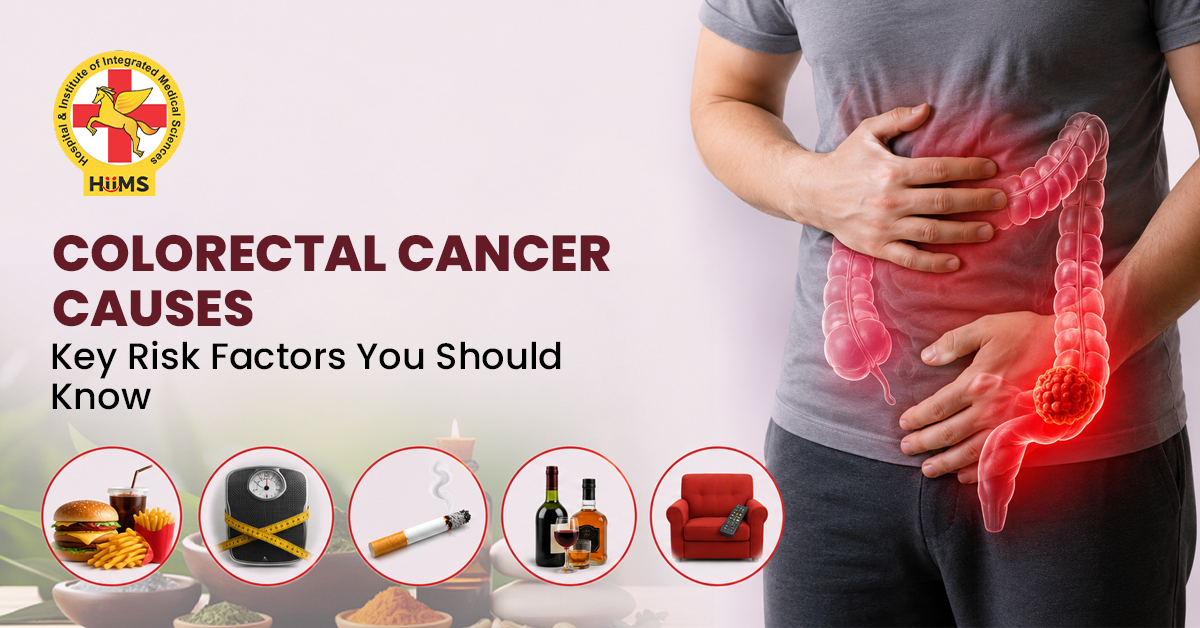
Colorectal cancer has become an increasing health concern across the world, yet many individuals are still unaware of the factors that may contribute to its development. When discussing colorectal cancer causes, it is important to understand that there is rarely one single reason behind it. In most cases, the condition develops gradually due to a combination of unhealthy lifestyle habits, dietary patterns, genetic influences, aging, and long-term stress on the body.
One of the challenges with colorectal cancer is that the early warning signs are often subtle. Many people may notice mild digestive discomfort, occasional bloating, irregular bowel movements, or changes in appetite but fail to recognize these as potential warning signals. Learning about these risk factors is not meant to create panic; rather, it helps people become more aware and take timely steps toward maintaining better digestive health.
Major Risk Factors Linked to Colorectal Cancer
When examining the causes of colorectal cancer, experts usually focus on risk factors instead of a single direct cause. Some of these factors can be managed through lifestyle changes, while others are related to genetics and age.
1. Unhealthy Lifestyle and Food Choices
Daily habits have a direct impact on digestive wellness. Lack of physical activity and prolonged sitting can slow digestion and affect gut health over time. Similarly, consuming excessive processed foods, refined sugars, and low-fiber meals may increase digestive imbalance. Poor dietary habits are considered one of the most common lifestyle-related colorectal cancer causes.
2. Aging and Changes Within the Body
As people grow older, the body’s natural repair systems begin to slow down. This is one reason why the risk of colorectal cancer rises significantly after the age of 50. Although aging cannot be prevented, regular screening and early monitoring can help identify concerns before they become severe.
3. Genetic and Family History Factors
Individuals with a family history of colorectal disorders may carry a higher risk due to inherited genetic traits. If close relatives have experienced colorectal cancer or related conditions, it becomes important to adopt preventive health measures earlier in life. While genetics cannot be altered, awareness allows for better health planning and timely screenings.
4. Ongoing Digestive Imbalances
Persistent digestive discomfort should never be ignored. Symptoms like bloating, constipation, abdominal pain, or irregular bowel patterns may indicate an unhealthy gut environment. Over time, chronic inflammation and irritation in the digestive tract may contribute to more serious complications, making early colorectal cancer management increasingly important.
5. Smoking and Excessive Alcohol Intake
Smoking and frequent alcohol consumption expose the body to harmful toxins that may weaken cellular health. These habits can negatively impact the digestive system and reduce the body’s ability to repair damaged tissues effectively.
Lifestyle Habits That Support Better Digestive Health
Although there is no guaranteed way to completely prevent colorectal cancer, healthy lifestyle choices can support the body’s natural defense mechanisms and improve digestive function.
Focus on Natural, Fiber-Rich Foods
Including fresh vegetables, fruits, whole grains, and leafy greens in daily meals helps improve bowel movement and supports healthy digestion.
Stay Active Every Day
Regular physical movement encourages better digestion and helps the body eliminate waste more efficiently. Even simple activities like brisk walking for 30 minutes daily can be beneficial.
Reduce Stress Levels
Long-term stress can negatively affect digestion and increase inflammation in the body. Adequate sleep, relaxation techniques, and maintaining work-life balance may support overall wellness.
Follow Consistent Meal Timings
Eating meals at regular intervals and avoiding heavy late-night eating habits can help the digestive system function more efficiently and promote internal repair.
A Holistic Perspective on Prevention
Today, many individuals are exploring holistic wellness approaches such as Ayurveda alongside modern healthcare practices. Instead of concentrating only on symptoms, holistic systems focus on maintaining balance within the entire body.
This approach emphasizes improving digestive strength, following natural daily routines, and supporting the body through gentle detoxification practices. The idea is not to replace medical care, but to create a healthier internal environment that supports long-term wellness.
The Approach at Jeena Sikho HiiMS
At Jeena Sikho HiiMS, the focus is placed on identifying the underlying lifestyle and digestive imbalances that may contribute to health concerns. The approach toward colorectal cancer management includes personalized dietary guidance, lifestyle modifications, natural therapies, and herbal support tailored according to individual body constitution and health requirements.
People seeking to improve their digestive health and adopt preventive wellness strategies can benefit from understanding their body’s signals and making gradual lifestyle improvements.
Conclusion
Understanding colorectal cancer causes involves looking beyond a single factor and recognizing the overall impact of lifestyle, digestion, genetics, and daily habits on long-term health. The positive aspect is that small but consistent changes in diet, physical activity, stress management, and routine can contribute significantly to digestive wellness over time.
If you wish to understand how your current lifestyle may be affecting your digestive health and want to explore personalized wellness guidance, you may consider booking a VOPD consultation with the experts at Jeena Sikho HiiMS.
Get in Touch
Email: care@jeenasikho.com
Phone: +91 82704 82704
Frequently Asked Questions
1. What are the most common risk factors for colorectal cancer?
The most common risk factors include aging, unhealthy eating habits, low-fiber diets, lack of physical activity, smoking, alcohol consumption, family history, and chronic digestive inflammation.
2. Can lifestyle changes help reduce the risk of colorectal cancer?
Yes. Maintaining a balanced diet, staying active, avoiding tobacco, limiting alcohol intake, and managing stress may help support digestive health and reduce several risk factors.
3. Is colorectal cancer always hereditary?
No. While genetics can increase the risk in some individuals, many colorectal cancer cases are linked to lifestyle choices, environmental influences, and aging.
4. How can digestive health be improved naturally?
Eating fiber-rich foods, drinking enough water, following regular meal schedules, and staying physically active can help maintain healthy digestion and bowel function.
5. How does Ayurveda support colorectal cancer management?
Ayurveda focuses on restoring digestive balance, reducing inflammation, improving gut health, and encouraging personalized lifestyle habits that support the body’s natural healing and defense mechanisms.


 enfield abudhabi
 Dynamic Life Clinics Dubai