Mankoo Presses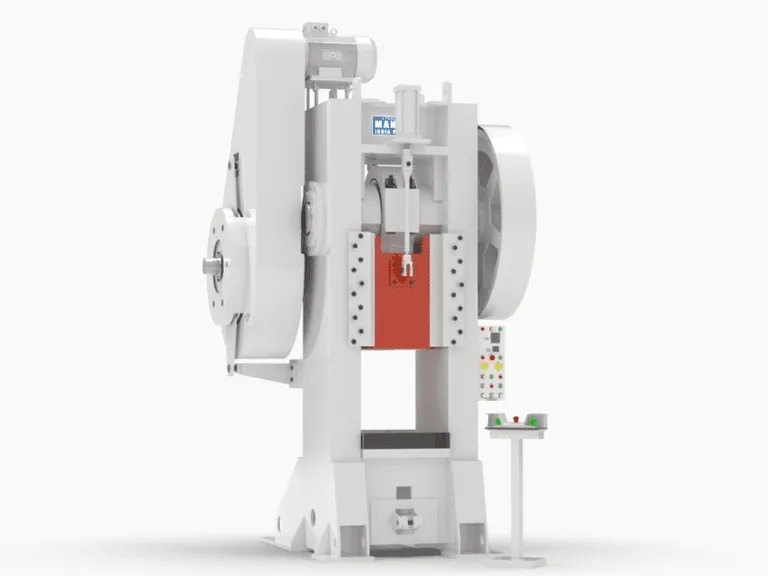
In today’s manufacturing industry, precision, strength, and productivity play a major role in producing high-quality metal components. One machine that has transformed the metal forging industry is the Hydraulic Forging Press. Known for its powerful performance and accuracy, this machine is widely used across various industrial sectors for shaping and forming metal parts with controlled force.
Industries such as automotive, aerospace, railway, construction, and heavy engineering depend heavily on forging technology to manufacture durable and reliable products. A hydraulic forging press helps manufacturers achieve superior metal strength, better dimensional accuracy, and improved production efficiency.
What is a Hydraulic Forging Press?
A Hydraulic Forging Press is an industrial machine that uses hydraulic pressure to compress and shape metal into desired forms. Unlike mechanical presses that rely on flywheel energy, hydraulic systems apply constant pressure throughout the entire forging process. This ensures better control, uniformity, and precision during metal forming operations.
These presses are commonly used for hot forging, cold forging, and open-die forging applications. They can handle different types of metals, including steel, aluminum, brass, copper, and titanium, depending on industrial requirements.
Modern hydraulic forging presses are designed with advanced control systems, safety features, and automation capabilities to improve production speed and reduce operator effort.
Working Process of Hydraulic Forging Press
The working process of a hydraulic forging press is simple yet highly effective. The machine operates using hydraulic cylinders that generate force through pressurized fluid. This force is then applied to metal workpieces placed between forging dies.
The basic working process includes the following steps:
1. Heating the Metal
In hot forging operations, the metal is heated to a specific temperature to make it more flexible and easier to shape.
2. Placing the Workpiece
The heated metal is positioned between the upper and lower dies of the forging press.
3. Applying Hydraulic Pressure
The hydraulic system creates controlled pressure that compresses the metal into the required shape. The constant force ensures uniform deformation throughout the material.
4. Shaping and Forming
The dies shape the metal according to the product design. The process improves the internal grain structure of the metal, increasing its strength and durability.
5. Cooling and Finishing
After forging, the finished component is cooled and sent for trimming, machining, or surface finishing if required.
This efficient working process allows industries to produce strong and high-performance metal components with excellent structural integrity.
Applications of Hydraulic Forging Press
Hydraulic forging presses are widely used in many industries because of their versatility and precision. Some common applications include:
Automotive Industry
Manufacturers use hydraulic forging presses to produce gears, crankshafts, connecting rods, axles, and engine parts that require high strength and durability.
Aerospace Industry
Aircraft components must meet strict quality standards. Hydraulic forging technology helps create lightweight yet strong aerospace parts with excellent reliability.
Railway Industry
Forged railway components such as wheels, couplings, and heavy-duty fittings are manufactured using forging presses for enhanced safety and long service life.
Construction and Heavy Engineering
Construction machinery and industrial equipment require robust metal parts that can withstand heavy loads and harsh environments.
Oil and Gas Industry
Forged valves, flanges, and pipeline fittings used in oil and gas operations are commonly produced with hydraulic forging presses due to their superior strength.
Benefits of Using a Hydraulic Forging Press
There are several reasons why industries prefer hydraulic forging presses for metal forming applications.
High Precision
Hydraulic systems provide better control over pressure and speed, resulting in accurate and consistent forging results.
Improved Metal Strength
The forging process refines the internal grain structure of metal, making components stronger and more durable than cast or machined parts.
Versatility
Hydraulic forging presses can work with different metals, shapes, and sizes, making them suitable for various industrial applications.
Energy Efficiency
Modern hydraulic systems are designed to reduce energy consumption while maintaining high production performance.
Reduced Material Waste
The forging process optimizes material usage and minimizes scrap generation, helping manufacturers reduce operational costs.
Better Surface Finish
Forged components often require less machining and finishing, saving time and improving productivity.
Choosing the Right Hydraulic Forging Press
Selecting the right forging press depends on production requirements, material type, component size, and automation needs. Manufacturers should consider factors such as press capacity, operating speed, energy efficiency, safety features, and maintenance support before making an investment.
Working with an experienced manufacturer is also important to ensure long-term machine reliability and performance. Companies like Mankoo Presses are known for delivering advanced forging and industrial press solutions designed to meet modern manufacturing demands.
Conclusion
A Hydraulic Forging Press plays a vital role in modern metal manufacturing by offering strength, precision, and operational efficiency. Its ability to produce high-quality forged components makes it an essential machine for industries that require durable and reliable metal parts.
From automotive and aerospace to heavy engineering and construction, hydraulic forging technology continues to support industrial growth with improved productivity and consistent performance. As manufacturing demands continue to increase, investing in advanced forging machinery can help businesses achieve better quality, reduced waste, and long-term operational success.


 Kyle Jeminson
 nikita pawar