Vands Engineering Solutions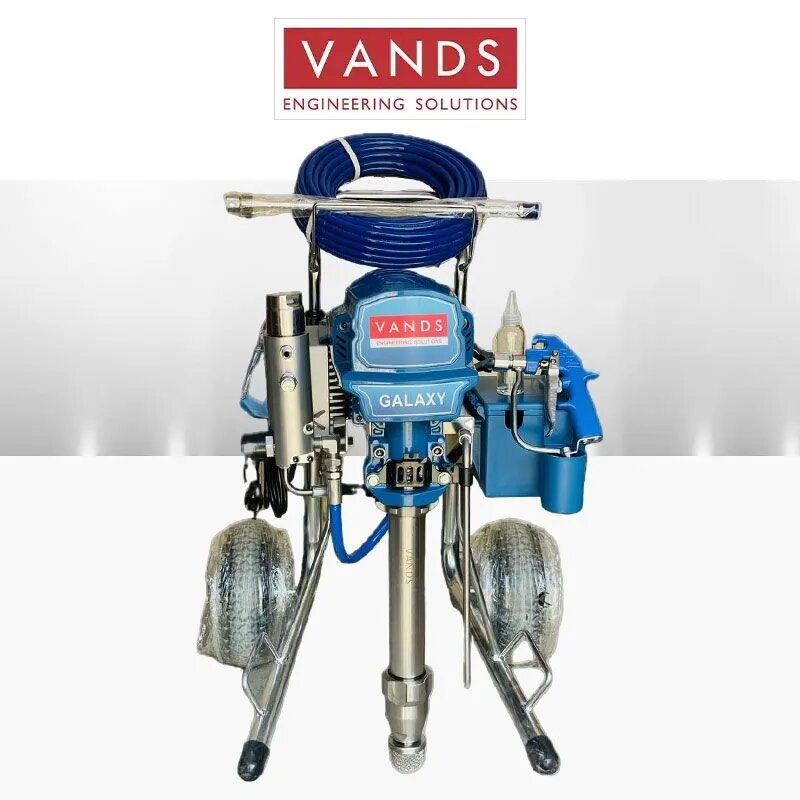
An Airless Spray Painting Machine is a useful tool that helps wall painting move along faster without turning the job into a slow, messy task. It is useful when the job is big, the surface area is wide, and the finish still needs to look neat. For painters and contractors, it can save a lot of time compared to brushes and rollers.
What it does
The machine sprays paint at high pressure, so it does not need compressed air to do the job. That is the basic reason it is called airless. The paint comes out through a spray tip and lands on the wall in a fine, even coat.
This setup works well on large walls, building exteriors, and similar projects where hand painting would take too long. It is also useful when the same kind of work has to be repeated again and again. Once the setup is right, the machine keeps the pace steady.
How it works
The working idea is simple. A pump pulls the paint in, builds pressure, and pushes it out through the hose and spray tip. The tip decides how wide the spray fan is and how much paint is released.
That is why choosing the tip is key. A smaller tip suits lighter paint, and a larger tip is generally better for thick coatings. If the paint and tip are not a good fit, then you might see rough, patchy results or clogged spray.
The airless spray painting machine is not hard to understand, but it does need the right setup. The paint should be prepared well, the hose should be long enough for the job, and the wall should be ready before spraying starts.
Before you buy
A lot of buyers focus on price first. That is normal, but it should not be the only thing they look at. A machine that looks affordable on paper can become a poor fit if it does not match the real work.
A few simple things matter here:
- Think about how much wall area you paint in a normal week.
- Check whether the machine can handle the paint you use most often.
- Make sure the hose length fits the kind of job site you work on.
- Look at the power supply you already have.
- Decide whether the machine will be used by one person or a team.
If the airless spray painting machine is too small, it can slow down the work. If it is too large, it may be more trouble than it is worth for a lighter workload. The best choice is usually the one that fits daily use, not just one big project.
Main benefits
One of the biggest benefits is speed. An airless spray painting machine can cover a lot of wall area in less time than hand tools. On commercial jobs, that can make a real difference.
It also helps with finish quality. When it is used properly, the spray gives a smooth and even coat. Brush marks and roller lines are easier to avoid. That is why many teams use it when the surface needs to look clean and consistent.
Another plus is that the work feels more steady once the setup is sorted out. The machine keeps spraying in a more even way than manual methods. That helps when the same kind of wall painting has to be done across a large space.
Where it is used
This machine is used in many wall painting jobs. It is common on housing projects, commercial buildings, warehouses, and other places with large surface areas. It is also useful for repainting work where old walls need a fresh coat.
Painters use airless spray painting machine when time is tight and the finish still needs to look proper. Contractors like it because it helps them finish large jobs without too much delay. Even smaller teams can benefit from it if they handle regular wall painting work.
It is especially useful when the same type of job keeps coming up. Once the crew gets used to the machine, the whole process becomes easier to manage.
Common issues on site
An airless spray painting machine works well, but only if the setup is done properly. One common issue is using the wrong spray tip. If the tip does not match the paint, the finish may look patchy or the spray may clog.
Another issue is the paint itself. Thick paint that has not been prepared properly can create trouble. It can block the nozzle, slow the work, or give an uneven finish. That is why the paint should be checked before starting.
Wall condition also matters. Dust, loose plaster, and damp spots can all spoil the result. The machine cannot fix a bad surface. The wall should be cleaned and prepped first.
Overspray can also be a headache, especially in tight areas. That is why masking, covering nearby surfaces, and planning the work area matter a lot. Small steps like that save time later.
Basic maintenance
A little regular care goes a long way with this machine. Clean it after every use so paint does not dry inside and create blockage.
It is also smart to look over the spray tip, hose, filter, and pump parts now and then. If any part is worn, the spray quality may drop. Strange noise, weak spray, or slow delivery usually point to a problem.
Storage matters too. Keep the machine in a dry place and follow the usual cleaning steps before putting it away. A little care after each job usually saves a lot of trouble later.
Picking the right model
The right airless spray painting machine model depends on the kind of work you do most often. A small painting team may only need a basic setup. A larger contractor may need a machine that can handle longer runs and more frequent use.
It also helps to think about the future. If your work is growing, choose a machine that can keep up for a while. Buying only for today can be short-sighted if your workload is likely to rise.
The main thing is to match the machine with the job, not the other way around. That keeps the work smoother and avoids waste.
FAQ
- What is an airless spray painting machine used for?
It is used to spray paint on walls and other large surfaces quickly and evenly. - How do I choose the right machine?
Look at your daily workload, the paint you use, the hose length, and the power supply at your site. - Why does the spray tip matter so much?
The spray tip controls the pattern and flow of paint, so it has a big effect on the final finish. - Can one machine handle different wall jobs?
Yes, many machines are used for more than one kind of wall job. It mainly depends on whether the setup suits the paint and the surface. - What maintenance does it need?
It needs basic cleaning after use, plus checks on the hose and tip. Paint should not be left to dry inside the system.
For more details, check the airless spray painting machine page on www.vandsshotblasting.com/ and choose the model that suits your work best.

 Hari hariengineeringworks