HEW Foam Cut Machine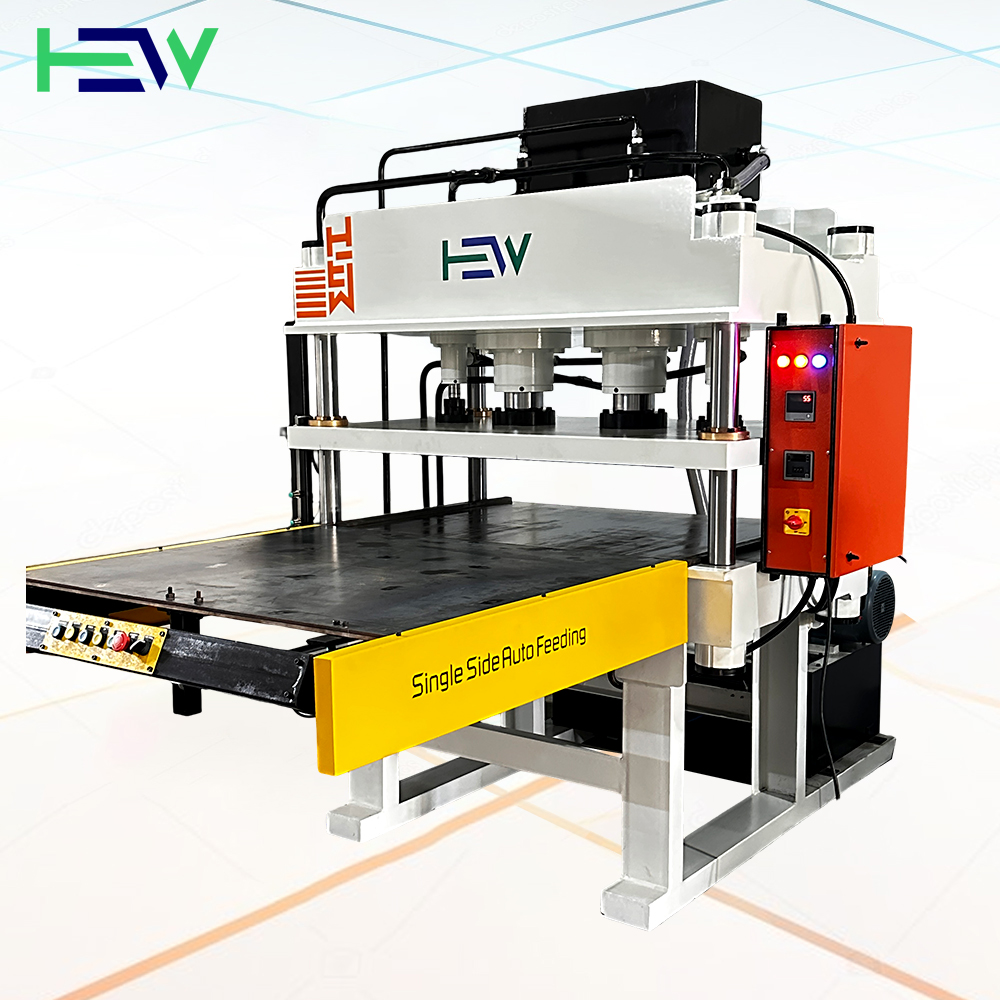
An EPE foam punching machine is useful when a workshop wants cleaner cuts, more even output, and less waste in foam work. The quality of the cut depends on the way the machine is set, the condition of the tool, and how carefully the material is handled. When those things are in order, the job feels much smoother.
Why cut quality matters
Cut quality may sound like a small thing, but in foam work it changes a lot. A neat cut helps the foam fit better in packing, padding, and protective use. If the edge is rough or the shape is off, the final piece may not sit right.
That usually means more waste and more rework. In a busy unit, that kind of repeat work slows things down. So when people talk about improving output, cut quality is one of the first things worth fixing.
It also affects how the finished product looks. Even if foam is not a fancy material, poor cutting still shows. Clean edges make the work look more professional and keep the process more consistent from one piece to the next.
How the EPE foam punching machine helps
The machine works by applying pressure in a controlled way so the foam can be punched or cut to the needed shape. That sounds simple, and it is. The point is to make the same kind of cut again and again without the small changes that often happen with hand work.
That repeatability matters. With manual cutting, one piece can come out a little different from the next. A machine makes the job steadier. When the settings are right, the cut stays more even and the foam stays in better shape.
It also helps when the work volume is higher. An EPE foam punching machine does not get tired, and it does not lose pace the way manual work can. That is why many foam units use it for regular production.
What affects the cut
A few things decide how good the cut will be. Some are obvious, and some get missed more often than they should.
- The foam thickness and density.
- The sharpness and fit of the die or cutting tool.
- The pressure setting on the machine.
- The way the foam is placed before punching.
- The cleaning and general condition of the machine.
If the tool is blunt, the foam may tear instead of cutting cleanly. If the pressure is not right, the result may come out uneven. If the foam is not lined up properly, the shape can shift and waste material.
Foam grade also matters. Not every type of EPE foam punching machine behaves the same way. Some pieces cut easily, while others need a better setup. That is why the machine should be adjusted to the material, not just used the same way for every job.
Setting it right
A lot of cut problems start with the setup. The machine may be fine, but the settings are not. That is usually where the trouble begins.
Pressure should be matched to the foam and the thickness being used. Too much pressure can crush or deform the foam. Too little pressure can leave an incomplete cut. Neither one helps the final result.
The die or punch tool also needs attention. If the edge is worn, the cut will not come out neat. A tool in poor condition can leave rough edges, uneven shapes, or small tears. Replacing or maintaining the tool on time keeps the work cleaner.
Material placement matters too. The foam has to sit in the right position before punching starts. If it moves even a little, the cut can miss the mark. That is why many operators slow down just a bit before starting. A few extra seconds at the beginning often save time later.
Common job issues
Some cut issues come from the EPE foam punching machine, and some come from the way it is used. A loose part, weak alignment, or poor tool fitting can all affect output. Dust and waste buildup can also get in the way.
When scraps are left around the working area, they can affect how the foam feeds through the machine. That may not sound like a big issue, but it can shift the material just enough to spoil the cut. Regular cleaning makes the setup easier to manage.
Another common problem is trying to use the EPE foam punching machine beyond what it is meant for. If the foam is thicker or denser than the setup can handle, the result will usually suffer. In that case, the better choice is to adjust the machine or use a better-matched setup.
Operators sometimes ignore early signs too. If the machine starts sounding different, moving slowly, or punching unevenly, that should not be pushed aside. These are usually small warnings before a bigger problem shows up.
Maintenance and care
Maintenance has a direct effect on cut quality. A clean machine with a sharp tool usually gives better results than a machine that has been left dirty or ignored. That part is simple, but it matters every day.
The die, pressure system, and moving parts should be checked regularly. If anything feels loose or worn, it should be looked at before the next run. Waiting too long often leads to bigger wear and poorer cuts.
Cleaning after use is just as important. Foam dust, loose pieces, and general dirt can build up around the machine. Once that happens, alignment and movement can start to suffer. A clean machine is easier to inspect and easier to keep in shape.
It also helps to keep an eye on the output itself. If the cut quality starts changing, that is often a sign that some part of the machine needs attention. Small checks can prevent a lot of lost material later.
Practical habits that help
A few simple habits can improve results without making the process complicated.
- Check the tool before starting the shift.
- Set the pressure based on the foam being used.
- Keep the foam aligned before each punch.
- Clean the machine and working area at the end of the job.
- Stop and inspect the machine if the cut looks different from normal.
These are basic habits, but they go a long way. In most workshops, it is not one large fix that improves cut quality. It is the small routine things done properly, every day.
FAQ
- How can I improve cut quality in an EPE foam punching machine?
Adjust the pressure the right way, check that the die is sharp, place the foam properly and keep the machine clean on a regular basis. - Why does the foam edge come out rough?
A dull tool, wrong pressure, or poor alignment can all cause rough edges. - Does foam thickness affect cutting?
Yes, it does. Thicker foam needs the machine set properly for a clean cut. - When should the machine be inspected?
It is best to check it regularly, mainly before starting work and after heavy use. - Can cleaning really improve cut quality?
Yes. Dust and scrap can get in the way of smooth movement and proper alignment, and that often shows up in the cut.
For more details, check the EPE foam punching machine page on https://www.foamcutmachine.com/ and choose the setup that fits your work best.

 Hotsy of Virginia
 john ryan