Hari hariengineeringworks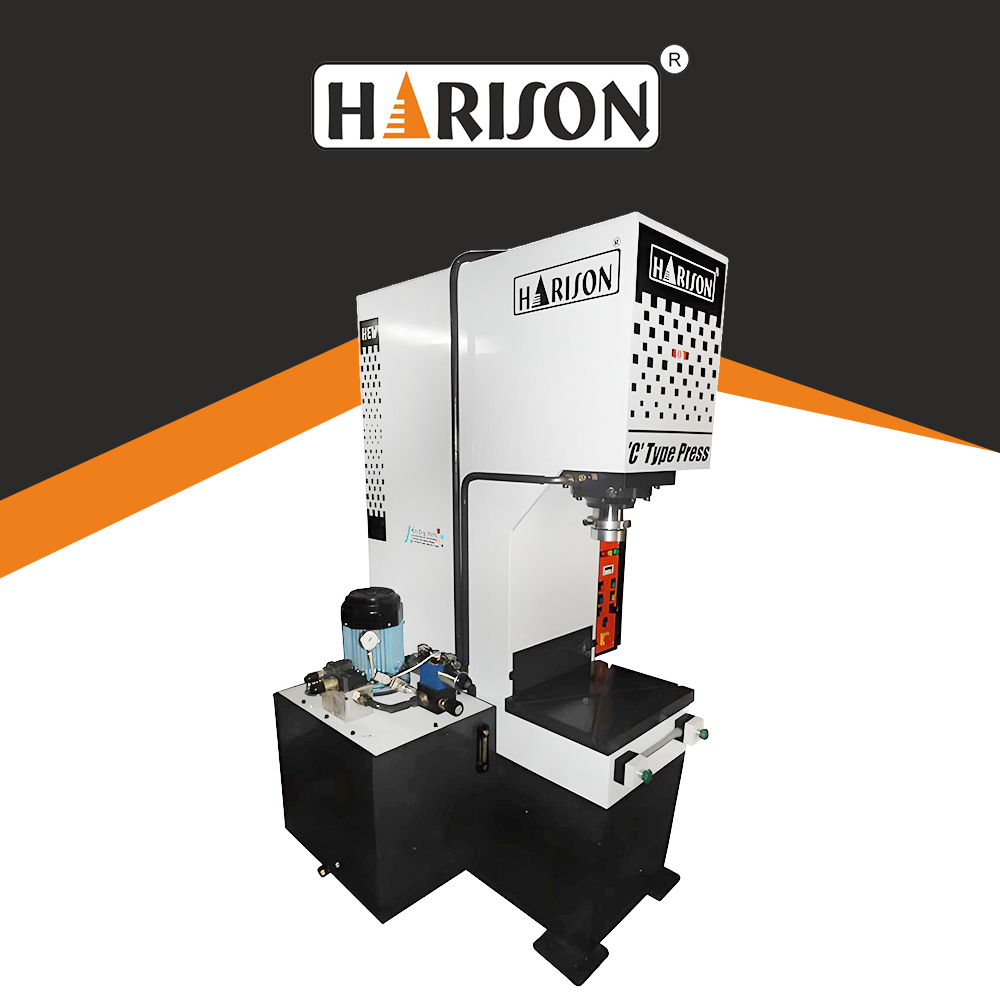
Since a Hydraulic Press Machine is built for powerful work, safety should never be treated as an afterthought. In an industrial plant, it can get the job done fast, but only careful handling keeps both the operator and the process safe. Let’s read through to know more.
Why safety matters
A hydraulic press machine works with strong force. That is useful for shaping, pressing, and forming, but it also means a small mistake can turn into a serious problem. That is why operators should never treat it like an ordinary machine.
Good safety habits protect people, reduce downtime, and keep the machine in better condition. They also help the plant run in a more steady way. When the machine is used the right way, the work moves faster and with fewer surprises. Safety is not something extra here. It is part of the job itself.
In many plants, the press is used all day, so even a small careless step can affect the whole shift. That is why the machine should always be handled with respect. It is strong, useful, and dependable, but only when the basics are followed every time.
Before starting work
Before using the machine, it helps to do a quick check. Look at the area around the press. Make sure the floor is clear, the lighting is good, and nothing is sitting too close to the machine. A messy work area often causes avoidable trouble.
The operator should also check guards, buttons, hoses, and connections. If anything looks loose, worn, or out of place, it should be fixed before the machine is started. Never begin work just to save a few minutes. That usually causes a bigger delay later.
It also helps to check whether the right tools and workpiece are ready before the press is turned on. If the job is still being adjusted while the machine is running, the chance of error goes up. Good preparation makes the work smoother and safer.
During operation
Once the machine is running, the operator should stay alert. Do not stand in a risky position or lean too close to the pressing area. A hydraulic press machine can move with a lot of force, and that force does not give second chances.
It is also important not to overload the press. Every machine has its own limit, and pushing beyond that limit can damage parts or create unsafe pressure. If the job needs more capacity, the better choice is to use the right machine instead of forcing the current one to do too much.
The operator should also avoid distractions. A phone call, a side conversation, or a rushed decision can easily lead to a mistake. With a machine like this, focus matters more than speed. The job can wait a few extra seconds if it means doing it properly.
Common risks
The most common risks usually come from rushed work or poor setup. Misaligned parts can slip out of place. Worn hoses or damaged components can also create pressure issues. Even a small leak should be taken seriously.
Another risk is poor operator awareness. If someone is distracted, the machine can be started or stopped at the wrong time. That is why it is better to keep the work area calm and focused when the press is in use.
Safety guards should never be removed just to make the job feel quicker. That may save a little time in the moment, but it adds risk every single day after that. What looks like a small shortcut often becomes a big problem later.
There is also the risk of assuming the press is fine just because it has been working for a long time. Machines wear down slowly. A part may seem okay one day and then fail the next. That is why regular checks matter so much.
Basic maintenance
Maintenance is part of safety, not separate from it. A hydraulic press machine should be checked on a regular schedule. Look for oil leaks, loose fittings, worn seals, and unusual noise. These are often early signs that something needs attention.
After use, the machine should be cleaned well. Dust, oil, and metal debris can slowly build up and create trouble down the line. A clean machine is simpler to inspect and feels safer to run.
A hydraulic press machine that starts behaving differently should not be left alone.Slow movement, uneven pressure, or strange sounds are all signs that the machine needs a closer look. It is better to stop and check the machine than to keep it running without a look.
Basic maintenance also means checking the controls from time to time. Buttons, switches, and stop controls should all react properly. If anything seems unusual, the machine should be taken out of service until it is inspected.
Training and habits
Good safety depends a lot on the people using the hydraulic press machine. Even the best equipment can become unsafe if the operator does not know the right steps. Simple training goes a long way here.
Workers should know how to start the machine, stop it, react to a fault, and use emergency controls. They should also know what not to do. That includes bypassing guards, rushing setup, or trying to fix a moving machine. These mistakes are common, and they are also avoidable.
Supervisors should keep safety reminders part of the daily routine. When safety is discussed often, people remember it better. It should not be treated like a one-time lesson. It is something that needs to stay active on the floor.
Over time, these habits become part of the daily routine. That is when safety starts to feel normal instead of like an extra step. In a plant, that kind of routine is valuable because it keeps the work moving without adding unnecessary risk.
Working with care
A hydraulic press machine can be a very useful part of industrial work, but only if it is handled with care. The machine is strong, so the people around it need to be steady, alert, and prepared. That is the best way to keep both the equipment and the workers in good shape.
The main idea is simple: check before starting, stay alert while working, and do regular maintenance after use. Those three habits cover most of the important ground. They may sound basic, but that is usually what keeps things running safely.
FAQ
- What is the main safety rule for a hydraulic press machine?
Keep hands, clothing, and tools away from the pressing area, and never bypass safety guards. - Who should operate the machine?
Only trained staff should use it, because the machine works with strong force and needs careful handling. - What should be checked before starting?
Take a look at the space, guards, buttons, hoses, the connections, and that workpiece position is right there before you hit the machine on. - Why is maintenance important for safety?
Regular maintenance helps to spot leaks , tired parts , and other trouble signs before they morph into safety risks. - What should an operator do if the machine sounds unusual?
If the machine starts sounding strange , shut it down and check it. That kind of noise , slow motion, or uneven pressure needs attention.
For more details on the machine, check the hydraulic press machine page on https://www.harisonmachines.com/ and choose the setup that fits your plant safely.

 Hotsy of Virginia
 john ryan