Rachele Pisano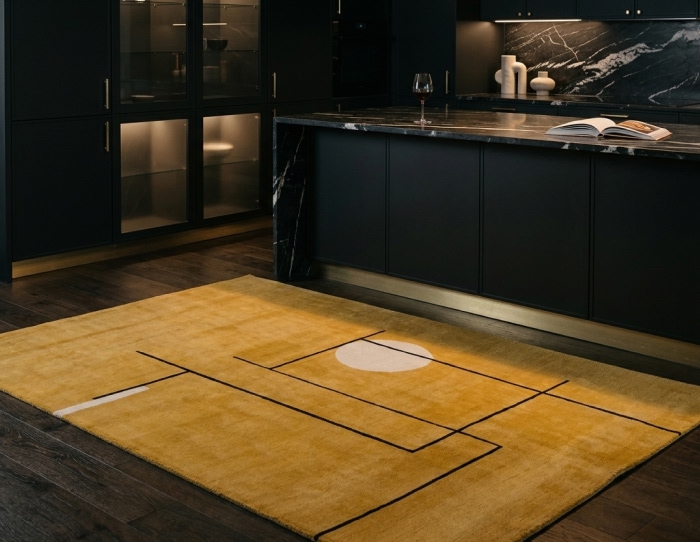
Home interiors feel more complete when comfort and style work together naturally. Furniture, lighting, wall colors, and decorative accents all contribute to the overall atmosphere, but rugs often have the strongest visual impact. They add warmth, texture, and personality while helping spaces feel more connected and balanced. A thoughtfully selected rug can instantly refresh a room without requiring expensive renovations or major design changes.
Choosing Rugs That Match Your Interior Style
Every home has its own personality, and rugs should support that overall aesthetic rather than compete with it. Modern interiors often look best with neutral shades, geometric patterns, and minimal textures. Traditional homes may benefit from detailed patterns and richer tones that create a timeless appearance. Homes inspired by bohemian or rustic styles usually pair well with layered textures and earthy colors that make spaces feel relaxed and welcoming.
Selecting the right rug involves more than simply choosing a color. Texture, material, and size all influence how a room feels. Soft rugs create a cozy atmosphere, while flatter surfaces provide a cleaner and more structured appearance. Finding the right balance helps create harmony throughout the home.
Creating Comfortable Living Room Spaces
Living rooms are usually the center of activity in most homes, making rug placement especially important. Large rugs help define seating arrangements and create a sense of unity between furniture pieces. When a rug is too small, the room can feel disconnected and unfinished. A properly sized rug anchors the furniture and makes the entire space appear more organized.
Neutral shades such as beige, cream, grey, and soft brown remain popular because they blend easily with changing décor styles. Patterned rugs are also excellent choices for adding visual interest without overwhelming the room. Textured wool rugs work particularly well in larger living spaces because they provide warmth and depth while remaining durable for everyday use.
Making Bedrooms Feel Warm and Relaxing
Bedrooms should feel peaceful and comfortable, which makes rug selection especially important. Soft rugs placed under or beside the bed add warmth and create a more luxurious atmosphere. Thick textures help soften hardwood or tiled flooring, making mornings feel more comfortable.
Light shades tend to create a calm environment, while darker tones add sophistication and contrast. Layering rugs is another growing trend that adds dimension to bedroom interiors. Smaller decorative rugs placed over larger neutral rugs can create a more curated and stylish appearance without making the room feel crowded.
Many homeowners researching best rugs for home decor focus on bedrooms because rugs significantly influence comfort and visual warmth. A carefully chosen design can completely transform how the space feels both visually and physically.
Finding Practical Options for Dining Areas
Dining spaces require rugs that balance style with practicality. Flatweave rugs are often preferred because they are easier to clean and allow dining chairs to move more smoothly. Durable materials are especially useful in homes with children or frequent guests.
Patterns and darker shades help hide small stains or crumbs, making maintenance easier over time. Size is equally important in dining areas. The rug should extend beyond the edges of the table so chairs remain stable even when pulled outward. Proper sizing creates a cleaner and more polished appearance while improving functionality.
Understanding the Importance of Rug Materials
Material selection affects durability, comfort, and maintenance. Wool rugs continue to remain among the most popular choices because they are naturally durable, soft, and resistant to wear. Cotton rugs are lightweight and practical for casual spaces, while synthetic materials are commonly used in high-traffic areas because they resist stains and are easier to maintain.
Natural fiber rugs such as jute and sisal bring organic texture into interiors and work beautifully in relaxed or coastal-inspired spaces. Homes that prioritize comfort often combine multiple textures throughout different rooms to create variety while maintaining a cohesive design.
Using Colors and Patterns Effectively
Colors influence the mood of a room more than many people realize. Warm shades such as terracotta, rust, and sand create cozy environments, while cooler tones like navy, charcoal, and muted blue provide a calmer appearance. Choosing colors that complement existing furniture and wall shades helps maintain visual balance.
Patterns can also change the energy of a room. Geometric designs often feel modern and structured, while vintage-inspired motifs create warmth and character. Many homeowners now combine traditional rug designs with contemporary furniture for a balanced and timeless interior style.
Interest in minimalist interior styling ideas has also influenced modern rug trends. Many people now prefer simple textures and subtle patterns that create comfort without overwhelming the space.
Creating Long Lasting Style Throughout the Home
Rugs are more than decorative accessories because they influence comfort, sound, warmth, and the overall atmosphere of a home. The right rug can soften large spaces, add texture to minimal interiors, and create stronger connections between furniture pieces. Thoughtful placement, balanced sizing, and quality materials all contribute to creating interiors that feel welcoming and visually appealing.
Simple design choices often make the biggest difference in everyday living spaces. With the right combination of texture, color, and placement, rugs can help transform ordinary rooms into comfortable and stylish environments that feel timeless for years to come.


 Bishwajeet singh
 Shital wagh