Sofia Jones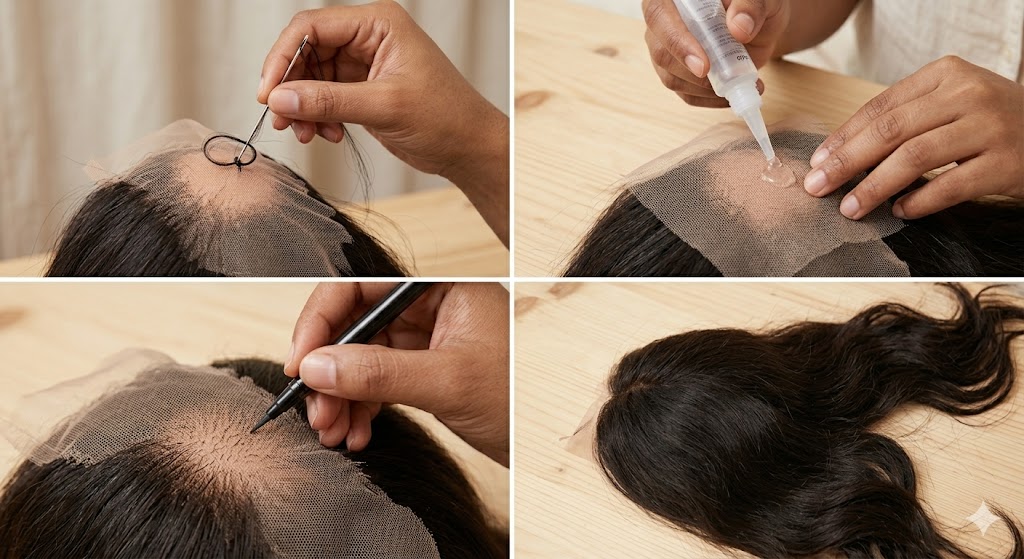
There is nothing quite like the confidence boost that comes with a fresh, flawless lace installation. It mimics your natural hairline perfectly, offers incredible styling versatility, and completely transforms your look. But after a few weeks or months of wear, you might notice something heartbreaking: thin patches, sparse areas, or outright bald spots along the hairline or parting space.
If your favorite lace fronatl is balding, you are definitely not alone. Because the hair strands on a lace front closure or a 360 lace frontal wig are hand-tied into incredibly delicate sheer mesh, shedding is a common issue. However, rapid balding is usually a sign that something is going wrong in your care, styling, or installation routine.
In this comprehensive guide, we will dive deep into the real reasons why your frontal hair is shedding, how to spot the early warning signs, and the exact preventive measures you can take to keep your investment looking full, voluminous, and beautiful for as long as possible.
Understanding the Anatomy of a Lace Frontal
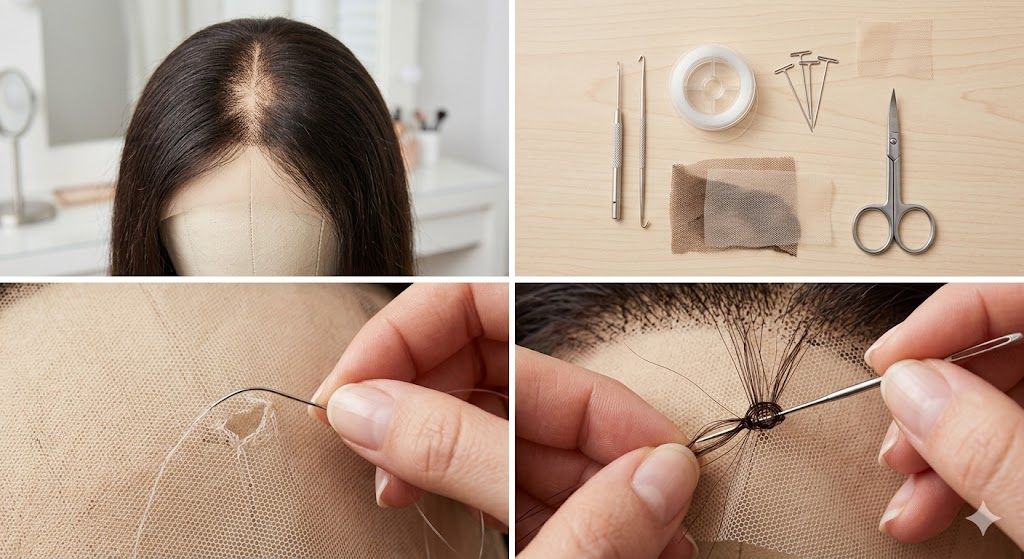
To fix the issue of a balding lace fronatl, we first need to understand how these hair units are constructed. Unlike a traditional machine-weft wig where hair is securely stitched onto a thick fabric track, every single strand on a lace front closure or frontal is carefully knotted by hand onto a delicate lace base.
Because these knots are tiny and the lace is thin, they do not have the natural root support that growing hair has. There are no hair follicles or natural oils to keep the hair anchored. Every time you pull, brush, scratch, or apply harsh chemicals to the lace, you risk loosening those tiny knots. Once a knot unties, that frontal hair falls out permanently, eventually leading to a bald spot.
The Root Causes: Why Your Lace Frontal is Shedding
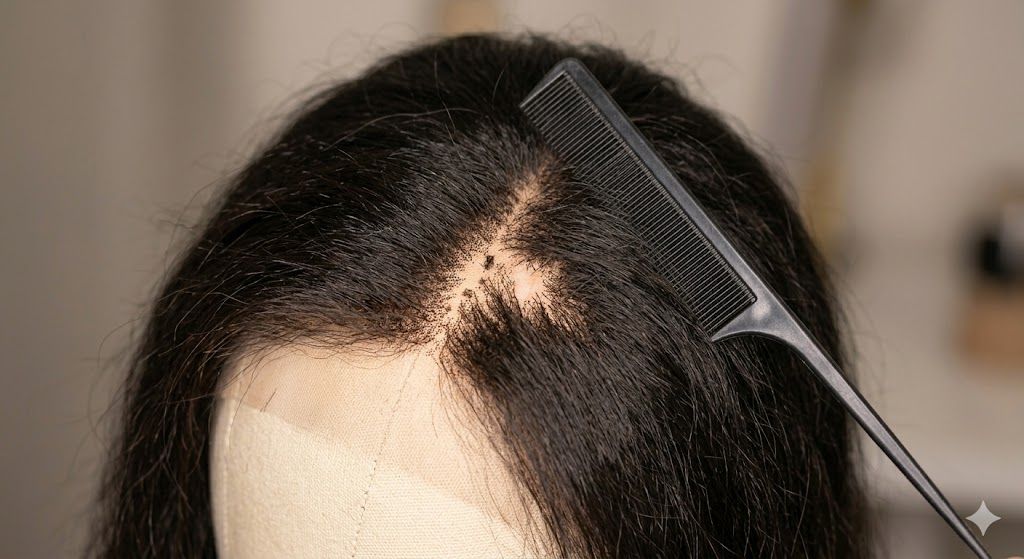
Balding rarely happens overnight. It is usually the result of cumulative wear and tear or specific styling mistakes. Let’s break down the primary culprits behind a thinning frontal.
1. Over-Bleaching the Knots
To make a frontal look like it is growing directly from your scalp, stylists use hair bleach to lighten the dark knots at the base of the lace. While this creates a beautiful, melted illusion, over-bleaching is the number one cause of premature balding. If the bleach mixture is too runny or left on the lace for too long, it seeps past the knot and processes the actual hair shaft. This chemically destroys the structural integrity of the hair right at the root, causing it to snap off at the slightest touch.
2. Aggressive Brushing and Detangling
Treating your lace front closure like your natural hair during a rush morning routine is a recipe for disaster. Tugging at tangles from the top down pulls directly on the delicate lace knots. Yanking a paddle brush or fine-tooth comb through a knotted frontal stretches the lace mesh and tears the hair right out of its foundation.
3. Excessive Heat Styling and Product Buildup
We all love a sleek, bone-straight look or bouncy curls, but high heat strips moisture from hair extensions. Because frontal hair does not receive natural sebum from your scalp, it becomes brittle much faster than raw hair bundles. Furthermore, heavy layers of holding sprays, gels, mousse, and freezing sprays dry out the hair texture and glue the strands together. When you try to comb through caked-on product, the resistance pulls the knots loose.
4. Friction During Sleep
Tossing and turning at night creates immense friction between your hair unit and your pillowcase. Cotton pillowcases act like tiny hooks, catching on the hair strands and pulling them from the lace base. This is why many women notice sudden balding patches right along the sides or the crown area after sleeping without proper hair protection.
5. Rough Adhesive Removal
When it is time to take off your 360 lace frontal wig or standard frontal, patience is required. Ripping or pulling the lace away from your skin while the glue or tape is still tacky will tear the delicate lace mesh and pull the tied hair backward through the holes, causing massive bald patches along the hairline.
How to Prevent Your Lace Frontal from Balding
The good news is that with a few minor adjustments to your maintenance routine, you can drastically extend the lifespan of your unit and keep it looking thick and healthy.
Switch to a Soft-Bristle Brush or Wide-Tooth Comb
Never use a standard fine-tooth comb on the lace portion of your wig unless you are gently parting it. When detangling your frontal hair, always use a wide-tooth comb or a dedicated detangling brush with flexible bristles. Always start at the very tips of the hair, gently working your way up to the roots while holding the hair above it with your other hand to minimize tension on the lace.
Master the Art of Product Application
Keep heavy oils, waxes, and heavy-hold gels away from the lace base. If you need to tame flyaways, use a lightweight taming stick or a tiny drop of serum, applying it downward rather than rubbing it into the roots. When washing your unit, apply conditioner from the mid-shaft down to the ends, avoiding the knots entirely, as conditioner can lubricate the knots and cause them to slip out.
Protect Your Hair at Night
Never go to sleep with a wet frontal, as damp hair is highly susceptible to stretching and snapping. Before bed, gently detangle the hair, braid it into loose sections, and wrap your hair in a high-quality silk or satin bonnet or scarf. Using a satin pillowcase offers an extra layer of defense just in case your bonnet slips off during the night.
Use a Knot Sealer
A knot sealer is a specialized clear aerosol spray applied to the underside of the lace. It creates a flexible, protective barrier over the knots, helping to lock them in place and shield them from friction and moisture. Spraying your lace fronatl with a knot sealer after bleaching and after every few washes can significantly reduce daily shedding.

Pros, Cons, and Frequently Asked Questions
Managing a lace frontal comes with specific tradeoffs. Below is a breakdown of what to expect, along with answers to the most common questions regarding frontal maintenance.
The Tradeoffs of Choosing a Lace Frontal
- Pros: Offers an incredibly realistic, undetectable hairline; allows for versatile parting styles (middle, side, or deep parts); provides full ear-to-ear coverage that protects your natural edges; completely changes your look without manipulating your natural hair.
- Cons: Requires a high level of daily maintenance; highly delicate and prone to shedding if mishandled; typically has a shorter lifespan than a simple closure; can be costly to replace frequently.
Can I fix a bald spot on my lace frontal?
Once the hair falls out of the lace, it cannot grow back. However, you can fix minor bald spots by using a ventilating needle to manually knot new hair strands back into the bare lace holes. If you are not experienced with ventilation, you can temporarily camouflage small bald patches using a dark brown or black hair powder, root touch-up spray, or an eyebrow pencil that matches the hair color. For large, extensive bald spots, the best solution is to have a professional stylist replace the frontal completely.
How long should a lace frontal last before it starts thinning?
With excellent care and proper installation, a high-quality lace frontal typically lasts between 4 to 8 weeks for a continuous sew-in or glued installation before needing significant maintenance or replacement. If you wear your frontal as a removable custom wig and take it off every night, it can easily last anywhere from 4 to 6 months without noticeable balding.
Is a 360 lace frontal wig more prone to balding than a standard frontal?
A 360 lace frontal wig features lace running around the entire perimeter of the head, giving you the ability to put your hair up into high ponytails and buns. Because it covers more surface area, it is subject to friction not just at the front, but also at the nape of the neck. The back area often rubs against the collars of your clothes, which means a 360 frontal requires even more careful detangling and friction protection to avoid localized balding.

Conclusion
A balding lace fronatl can be incredibly frustrating, but understanding why it happens is the first step toward saving your hair pieces. Remember that prevention is always easier than a cure when it comes to delicate hair units. By being gentle during detangling, avoiding over-processing with bleach, protecting the hair at night, and using proper removal techniques, you can keep your frontal hair looking incredibly thick, seamless, and gorgeous for a long time. Treat your lace with the care it deserves, and it will keep you looking flawless day after day!

 jodidi8756 jodidi8756
 Gold Bar Jeweler