Martillo Tech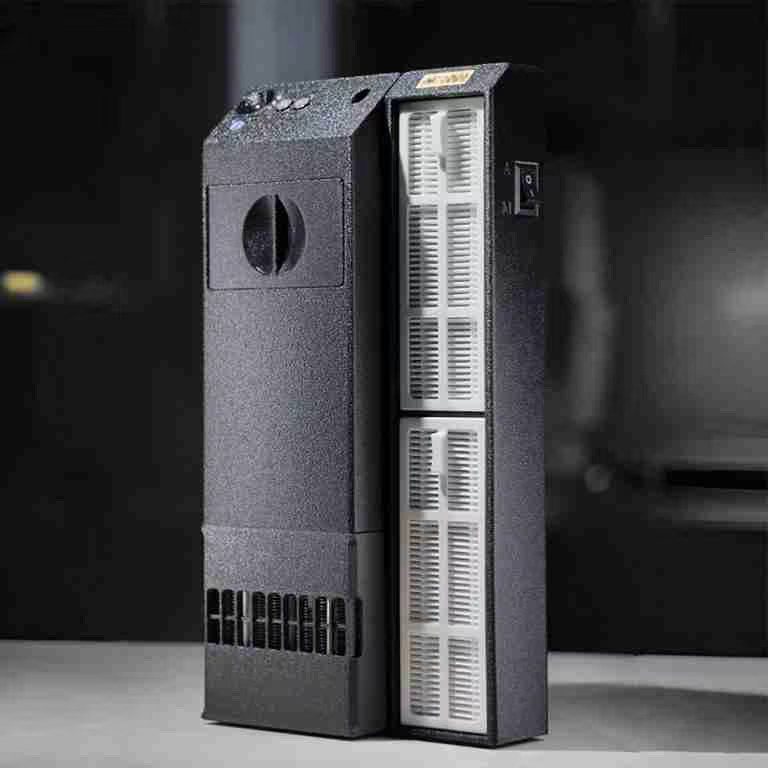
Introduction
A chamber heater for P2S is an important upgrade for users who want better temperature stability, improved print quality, and greater material compatibility in their 3D printing setup. Maintaining a controlled chamber temperature is essential when printing engineering-grade materials such as ABS, ASA, Nylon, Polycarbonate, and other temperature-sensitive filaments. Without proper chamber heating, prints may suffer from warping, layer separation, poor adhesion, and inconsistent results.
As 3D printing technology continues to evolve, users are increasingly looking for ways to optimize their machines for professional and industrial applications. A chamber heater helps create a stable environment inside the printer enclosure, reducing temperature fluctuations that can negatively affect print performance.
This guide explains what a chamber heater for P2S is, how it works, its benefits, installation considerations, and frequently asked questions.
What Is a Chamber Heater for P2S?
A chamber heater is a heating system designed to regulate and maintain the internal temperature of a 3D printer enclosure. When installed in a P2S printer setup, the heater warms the build chamber to a consistent temperature, creating ideal conditions for printing advanced materials.
Unlike the hotend, which melts filament at high temperatures, the chamber heater focuses on warming the surrounding air inside the printer. This controlled environment helps prevent rapid cooling of printed layers, which is one of the primary causes of print defects.
The chamber heater typically includes:
- Heating element
- Temperature sensor
- Controller or thermostat
- Safety protection features
- Mounting hardware
Together, these components ensure safe and efficient chamber heating during printing operations.
Why Use a Chamber Heater for P2S?
Many standard 3D printers are designed to print common materials like PLA and PETG without requiring a heated chamber. However, more advanced filaments often demand a controlled thermal environment.
Improved Layer Adhesion
When printing high-temperature materials, layers need to remain warm long enough to bond properly. A chamber heater helps maintain optimal conditions, resulting in stronger and more durable prints.
Reduced Warping
Warping occurs when different parts of a print cool at different rates. By keeping the chamber temperature consistent, a chamber heater significantly reduces the risk of corners lifting or parts deforming.
Better Dimensional Accuracy
Temperature fluctuations can affect print dimensions. A heated chamber promotes uniform cooling, helping printed parts maintain their intended size and shape.
Enhanced Surface Finish
Stable chamber temperatures often produce smoother surfaces and cleaner layer transitions, improving the overall appearance of finished prints.
Expanded Material Compatibility
With a chamber heater for P2S, users can confidently print:
- ABS
- ASA
- Nylon
- Polycarbonate (PC)
- Carbon-fiber reinforced materials
- High-performance engineering filaments
How Does a Chamber Heater Work?
The chamber heater operates by continuously monitoring the enclosure temperature through a sensor. When the temperature falls below the target setting, the heating element activates and warms the chamber.
Once the desired temperature is reached, the controller adjusts power output to maintain a stable environment. This automatic regulation ensures that temperatures remain consistent throughout the printing process.
Typical chamber temperature ranges include:
| Material | Recommended Chamber Temperature |
|---|---|
| PLA | Usually not required |
| PETG | 30°C–40°C |
| ABS | 45°C–60°C |
| ASA | 45°C–60°C |
| Nylon | 50°C–70°C |
| Polycarbonate | 60°C–80°C |
Actual requirements may vary depending on filament manufacturer recommendations.
Key Features to Look for in a Chamber Heater for P2S
Choosing the right chamber heater can make a significant difference in performance and safety.
Accurate Temperature Control
Look for systems that provide precise temperature regulation. Consistent temperatures are essential for achieving repeatable print results.
Built-In Safety Mechanisms
Quality chamber heaters include:
- Over-temperature protection
- Thermal runaway prevention
- Automatic shutdown features
- High-quality wiring and insulation
These features help reduce operational risks.
Fast Heating Performance
A powerful heater can quickly bring the enclosure to the desired temperature, reducing preparation time before printing.
Compatibility with P2S
Ensure that the heater is compatible with your specific P2S setup, enclosure size, and power requirements.
Low Noise Operation
Many modern chamber heaters are designed for quiet operation, making them suitable for home workshops, offices, and production environments.
Benefits for Professional Users
Professional users often require consistent results across multiple print jobs. A chamber heater can help achieve this level of reliability.
Increased Production Efficiency
Fewer failed prints mean less wasted material and reduced downtime.
Stronger Functional Parts
Engineering applications often demand parts that can withstand mechanical stress. Improved layer bonding contributes to greater structural integrity.
Better Repeatability
Manufacturing and prototyping workflows rely on predictable outcomes. Chamber heating helps maintain consistent printing conditions from one project to the next.
Reduced Material Waste
Warping, cracking, and delamination can lead to failed prints. A heated chamber minimizes these issues, saving both time and filament.
Installation Considerations
Before installing a chamber heater for P2S, it is important to evaluate several factors.
Enclosure Design
The enclosure should be properly sealed to retain heat efficiently. Poor insulation can reduce heater effectiveness and increase power consumption.
Air Circulation
Uniform heat distribution is essential. Some systems include circulation fans to eliminate hot and cold spots within the chamber.
Electrical Requirements
Verify that the heater matches your printer’s electrical specifications and available power supply.
Safety Clearance
Keep wiring, electronics, and heat-sensitive components protected from excessive temperatures.
Temperature Monitoring
Always use reliable sensors and monitoring systems to maintain safe operating conditions.
Maintenance Tips
Regular maintenance helps maximize heater performance and longevity.
- Inspect wiring periodically.
- Clean dust from fans and vents.
- Verify sensor accuracy.
- Check mounting hardware for stability.
- Test safety shutoff functions regularly.
- Monitor chamber temperatures during long print sessions.
Proper maintenance helps ensure consistent operation and reduces the likelihood of unexpected issues.
Future of Heated Chamber Technology
As advanced materials become more common, chamber heating systems are expected to play an even larger role in 3D printing. Modern solutions are becoming smarter, featuring automated temperature management, remote monitoring, and integration with printer firmware.
For P2S users seeking professional-grade results, a chamber heater represents one of the most valuable upgrades available. It supports better print quality, broader material compatibility, and greater reliability across demanding applications.


 Design Place
 Kiran Aggarwal