Alessandra Conti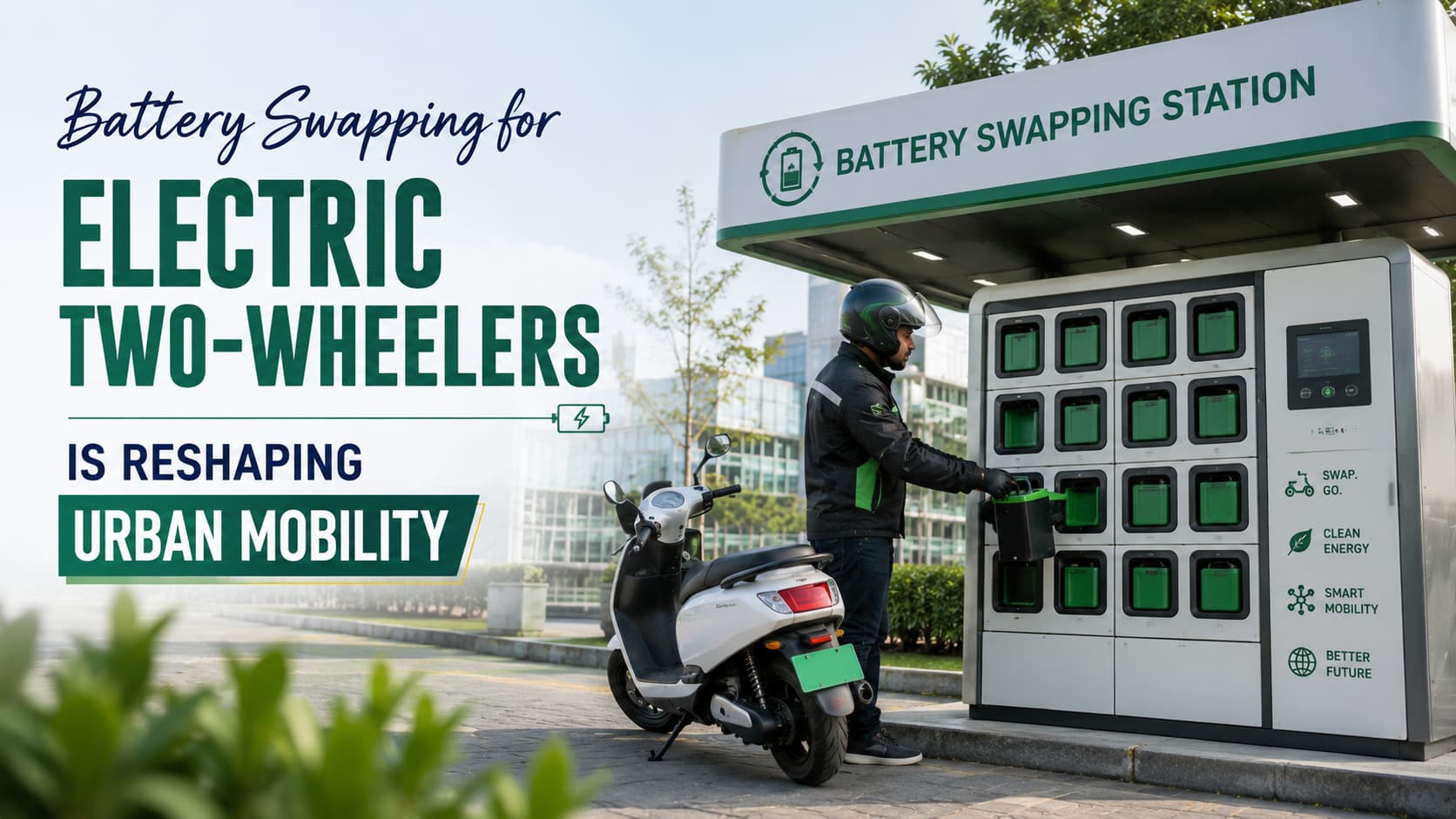
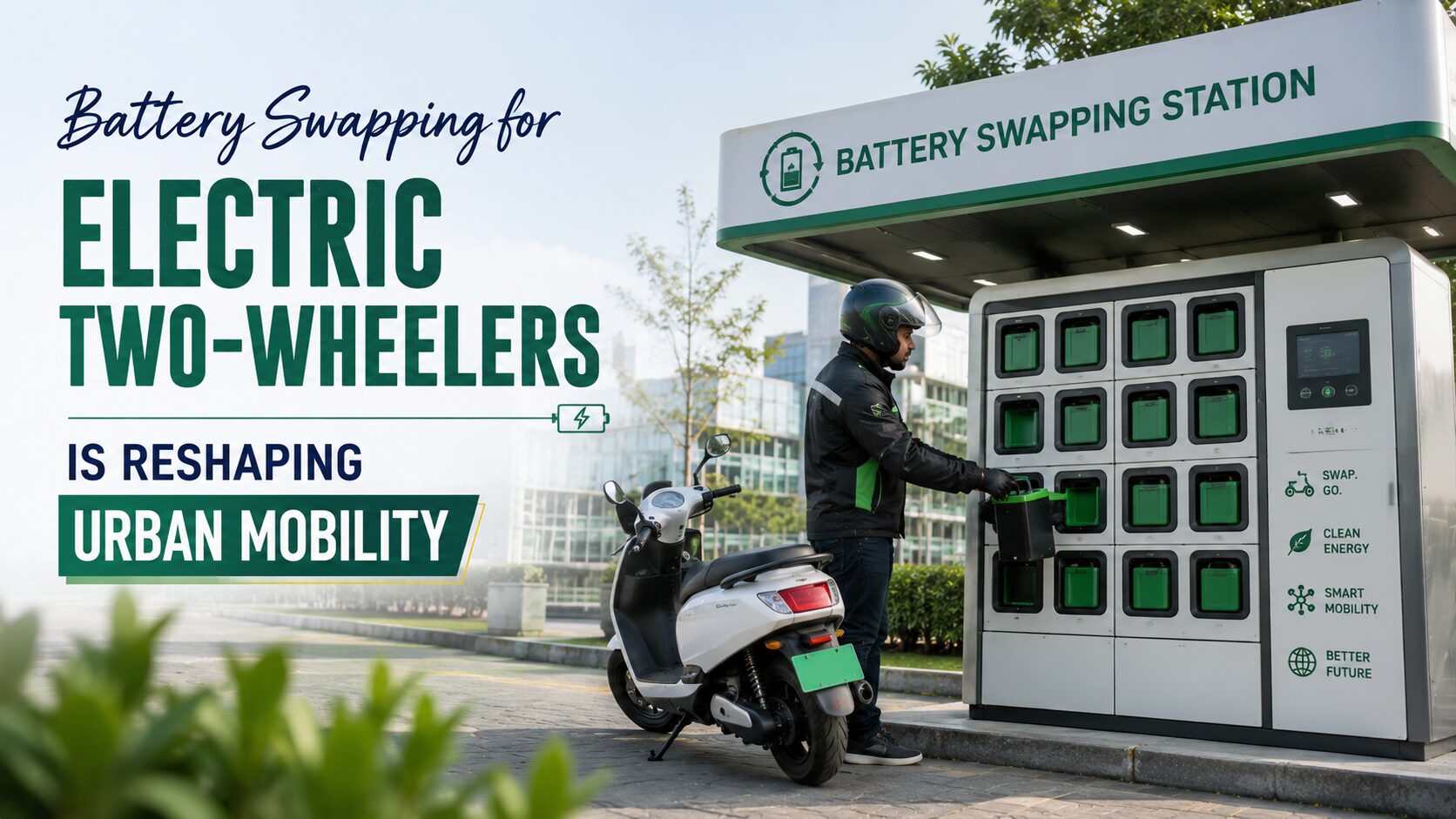 Battery swapping for electric two-wheelers is gaining importance as cities look for faster, more practical ways to support electric mobility. Instead of waiting for a battery to charge, riders can exchange a depleted battery for a charged one within minutes. This model is especially useful for e-scooters, mopeds, delivery fleets, ride-sharing operators, and daily commuters who need high vehicle availability and lower downtime.
According to MarkNtel Advisors, the global battery swapping for electric two-wheelers sector was valued at around USD 0.388 billion in 2025 and is projected to reach USD 1.09 billion by 2032. The electric two-wheeler swapping outlook indicates a CAGR of 15.93% during 2026–2032, supported by government EV policies, logistics and last-mile delivery needs, public-private investments, lithium-ion battery adoption, e-scooter dominance, and automated swapping technologies.
Last-Mile Delivery Is Driving Demand
One of the strongest demand drivers is the rapid growth of last-mile delivery. Food delivery, grocery delivery, courier services, and urban logistics companies rely heavily on two-wheelers because they are cost-effective and easier to operate in dense traffic. For these fleets, charging downtime directly affects productivity. Battery swapping helps riders return to operations quickly without waiting for conventional charging.
The International Energy Agency highlights the continued rise of electric mobility worldwide, including two- and three-wheelers in several high-growth regions. As urban logistics expands, battery swapping can become an important support system for fleet electrification.
E-Scooters and Mopeds Hold Strong Adoption
E-scooters and mopeds account for the largest share of battery swapping demand because they are widely used for short-distance mobility, delivery services, and daily commuting. Their compact battery size also makes swapping easier compared with larger electric vehicles. In many cities, these vehicles are already becoming a preferred choice for low-cost and low-emission mobility.
The United Nations Environment Programme promotes cleaner transport systems as part of broader environmental and urban sustainability goals. Battery-swapped electric two-wheelers can support this direction by reducing local tailpipe emissions and improving the practicality of electric mobility.
Lithium-Ion Batteries Lead the Technology Base
Lithium-ion batteries are the leading battery type in this sector because they offer higher energy density, lighter weight, faster charging compatibility, and longer lifecycle compared with many older battery chemistries. These advantages make them suitable for frequent swapping, fleet use, and compact two-wheeler designs.
However, battery quality, safety, and lifecycle management are essential. Swapping operators must monitor battery health, charging cycles, temperature, and performance to avoid reliability issues. Standardized battery packs and smart battery management systems can help improve safety and operational efficiency.
Standardization Remains a Major Challenge
The biggest challenge for battery swapping is the lack of battery standardization. Different vehicle brands often use different battery sizes, shapes, voltages, and connector designs. This makes it difficult to build universal swapping stations. Without common standards, operators may need separate systems for different vehicle models, increasing infrastructure cost.
The Bureau of Indian Standards and other national standards bodies play an important role in developing safety and performance standards for EV batteries and charging systems. As swapping grows, standards will become more important for interoperability, consumer trust, and large-scale deployment.
Automated Swapping Is an Emerging Trend
Robotic-assisted and automated battery swapping is becoming a key trend. Automated stations can improve speed, reduce manual handling, monitor battery condition, and support high-volume fleet operations. This is especially useful in dense urban areas where delivery fleets need quick and predictable battery exchange.
The International Renewable Energy Agency notes that transport electrification is closely connected with clean energy transitions. Battery swapping can support this shift by making electric two-wheelers more convenient and commercially viable.
Looking Ahead
Battery swapping for electric two-wheelers is expected to grow strongly as cities, delivery fleets, and commuters seek faster and more flexible EV energy solutions. With the sector projected to reach USD 1.09 billion by 2032 at a CAGR of 15.93%, demand is likely to remain strongest in e-scooters, mopeds, lithium-ion batteries, last-mile delivery fleets, and automated swapping stations. The long-term direction will depend on battery standardization, station economics, safety regulations, vehicle compatibility, and the ability of operators to build reliable swapping networks at urban scale.


 Acrid Semblance
 niraj kusukam