Kaivalyam Yoga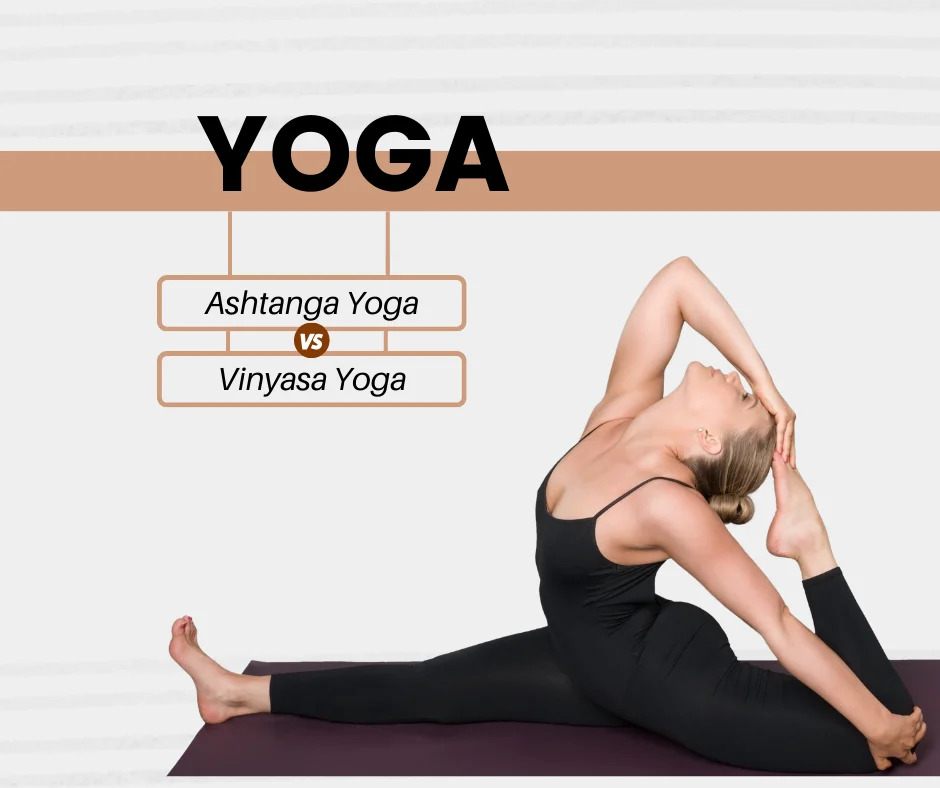
When exploring modern yoga practices, one of the most common comparisons practitioners encounter is ashtanga yoga vs vinyasa. Both styles are dynamic, physically engaging, and breath-centered, making them popular choices for individuals seeking strength, flexibility, and mindfulness. Although they share certain similarities, there are significant differences in structure, philosophy, pace, and teaching methods.
Understanding ashtanga yoga vs vinyasa can help beginners and experienced yogis choose the practice that best aligns with their fitness goals, personality, and lifestyle. While Ashtanga Yoga follows a fixed sequence of poses performed in a specific order, Vinyasa Yoga offers greater creativity and variation in each class. Both styles provide numerous physical, mental, and spiritual benefits, but their approaches differ considerably.
In this comprehensive guide, we will explore the origins, characteristics, benefits, differences, and similarities between ashtanga yoga vs vinyasa to help you determine which style is right for you.
What Is Ashtanga Yoga?
Ashtanga Yoga is a traditional and disciplined yoga system developed and popularized by Sri K. Pattabhi Jois in Mysore, India. The practice follows a specific sequence of postures synchronized with breath.
The word “Ashtanga” means “eight limbs,” referring to the eightfold path described in the ancient Yoga Sutras of Patanjali. These eight limbs include ethical principles, self-discipline, physical postures, breath control, concentration, meditation, and spiritual enlightenment.
Characteristics of Ashtanga Yoga
- Fixed sequence of poses
- Strong emphasis on discipline
- Breath-synchronized movements
- Repetition of the same series
- Progressive advancement
- Physical and mental endurance
Practitioners perform the same sequence regularly, allowing them to develop consistency and mastery over time.
What Is Vinyasa Yoga?
Vinyasa Yoga is a modern and adaptable yoga style characterized by flowing movements coordinated with breath. The term “Vinyasa” translates to “placing in a special way” and refers to the seamless transition between postures.
Unlike Ashtanga Yoga, Vinyasa classes do not follow a fixed sequence. Each class may vary depending on the instructor’s creativity, theme, or focus.
Characteristics of Vinyasa Yoga
- Dynamic flow of movements
- Creative sequencing
- Breath-centered transitions
- Variety in every class
- Adaptability for different levels
- Emphasis on movement and flow
Vinyasa Yoga allows practitioners to experience diverse poses and sequences, making it appealing to those who enjoy variety.
The Origins of Ashtanga Yoga vs Vinyasa
Understanding the roots of ashtanga yoga vs vinyasa provides valuable insight into their relationship.
Ashtanga Origins
Ashtanga Yoga traces its lineage to ancient yogic traditions and was systematized by Pattabhi Jois in the twentieth century. It follows a structured methodology designed to purify the body and mind through disciplined practice.
Vinyasa Origins
Vinyasa Yoga evolved from Ashtanga Yoga. Many Vinyasa teachers were originally trained in Ashtanga and adapted its flowing movements into more flexible and creative class formats.
As a result, Vinyasa retains many elements of Ashtanga while offering greater freedom in sequencing.
Main Differences Between Ashtanga Yoga vs Vinyasa
1. Structure
One of the biggest distinctions in ashtanga yoga vs vinyasa is structure.
Ashtanga Yoga
- Fixed sequence
- Same poses every session
- Predictable progression
Vinyasa Yoga
- Variable sequences
- Different poses in each class
- Creative flow patterns
Ashtanga practitioners repeat the same series, while Vinyasa students experience variety.
2. Teaching Style
Ashtanga Yoga
Traditional Ashtanga often uses the Mysore-style approach, where students practice independently under teacher supervision.
Vinyasa Yoga
Vinyasa classes are generally instructor-led, with teachers guiding students through continuously changing sequences.
3. Intensity
Both styles can be physically demanding, but they differ in execution.
Ashtanga
- Consistent intensity
- Athletic and disciplined
- Demands stamina and focus
Vinyasa
- Intensity varies by class
- Can be gentle or vigorous
- Adaptable to different fitness levels
4. Creativity
Ashtanga
Very little variation exists within the sequence.
Vinyasa
Highly creative and flexible.
Many practitioners who enjoy novelty prefer Vinyasa Yoga.
5. Progression
Ashtanga
Students master one series before advancing to the next.
Vinyasa
There is no fixed progression system.
Students simply continue exploring new sequences and postures.
Similarities Between Ashtanga Yoga vs Vinyasa
Despite their differences, there are many similarities between ashtanga yoga vs vinyasa.
Breath Synchronization
Both styles emphasize linking breath with movement.
Physical Conditioning
Both practices improve:
- Strength
- Flexibility
- Endurance
- Balance
- Coordination
Mindfulness
Both encourage present-moment awareness and concentration.
Internal Heat
The flowing nature of both styles generates heat that supports detoxification and circulation.
Benefits of Ashtanga Yoga
Builds Discipline
The structured nature of Ashtanga encourages consistency and commitment.
Enhances Strength
Repeated sequences develop muscular strength throughout the body.
Improves Flexibility
Regular practice gradually increases mobility and range of motion.
Develops Mental Focus
Memorizing and repeating sequences improves concentration and mindfulness.
Encourages Personal Growth
Ashtanga challenges practitioners physically and mentally, fostering resilience and self-awareness.
Benefits of Vinyasa Yoga
Offers Variety
Every class can be different, preventing boredom and maintaining motivation.
Encourages Creativity
Teachers can design unique flows that target specific goals.
Supports Stress Reduction
The rhythmic connection between breath and movement promotes relaxation.
Improves Cardiovascular Fitness
Fast-paced Vinyasa classes can elevate heart rate and improve endurance.
Accessible for All Levels
Vinyasa classes can be modified to accommodate beginners and advanced practitioners alike.
Which Style Is Better for Beginners?
The answer depends on individual preferences.
Ashtanga for Beginners
Suitable for those who:
- Enjoy structure
- Appreciate routine
- Like measurable progress
- Prefer disciplined practice
Vinyasa for Beginners
Suitable for those who:
- Enjoy variety
- Want flexibility
- Prefer guided instruction
- Like creative movement
Many beginners find Vinyasa more approachable because of its adaptability.
Ashtanga Yoga vs Vinyasa for Weight Loss
Many people compare ashtanga yoga vs vinyasa when seeking weight-loss benefits.
Ashtanga
The rigorous and repetitive nature of Ashtanga burns calories and builds lean muscle.
Vinyasa
Fast-paced Vinyasa classes can provide cardiovascular benefits and calorie expenditure.
Both styles can support weight management when combined with healthy nutrition and lifestyle habits.
Ashtanga Yoga vs Vinyasa for Flexibility
Both practices improve flexibility, but they approach it differently.
Ashtanga
Repeated practice of the same postures allows gradual and measurable flexibility gains.
Vinyasa
Varied sequences expose the body to a broader range of movements and stretches.
Both methods effectively enhance mobility.
Ashtanga Yoga vs Vinyasa for Stress Relief
Yoga is widely recognized for reducing stress and promoting emotional balance.
Ashtanga
The repetitive nature creates a meditative rhythm that calms the mind.
Vinyasa
The flowing movements encourage relaxation through continuous mindful movement.
Both styles help lower stress levels and improve overall well-being.
How to Choose Between Ashtanga Yoga vs Vinyasa
Consider the following questions:
Do You Prefer Routine?
Choose Ashtanga if you enjoy consistency and structure.
Do You Enjoy Variety?
Choose Vinyasa if you prefer different experiences each class.
Are You Self-Motivated?
Ashtanga requires dedication and personal discipline.
Do You Prefer Teacher Guidance?
Vinyasa typically offers more instructor-led support.
What Are Your Goals?
For mastery and discipline, Ashtanga may be ideal.
For creativity and flexibility, Vinyasa may be the better fit.
Can You Practice Both?
Absolutely.
Many yoga practitioners combine both styles to enjoy the benefits of each.
For example:
- Practice Ashtanga several times a week for discipline and progression.
- Attend Vinyasa classes for variety and creativity.
Combining both styles creates a balanced and enriching yoga journey.
Conclusion
The discussion of ashtanga yoga vs vinyasa ultimately comes down to personal preference and individual goals. Ashtanga Yoga offers structure, discipline, and a clear progression path through fixed sequences, while Vinyasa Yoga provides creativity, variety, and flexibility in practice. Both styles emphasize breath awareness, physical fitness, and mindfulness, making them powerful tools for enhancing overall well-being.
Whether you choose Ashtanga, Vinyasa, or a combination of both, consistent practice can help improve strength, flexibility, mental clarity, and emotional balance. By understanding the key differences in ashtanga yoga vs vinyasa, you can confidently select the yoga style that best supports your personal growth and wellness journey.


 Ahmad hassan