Nirwana AI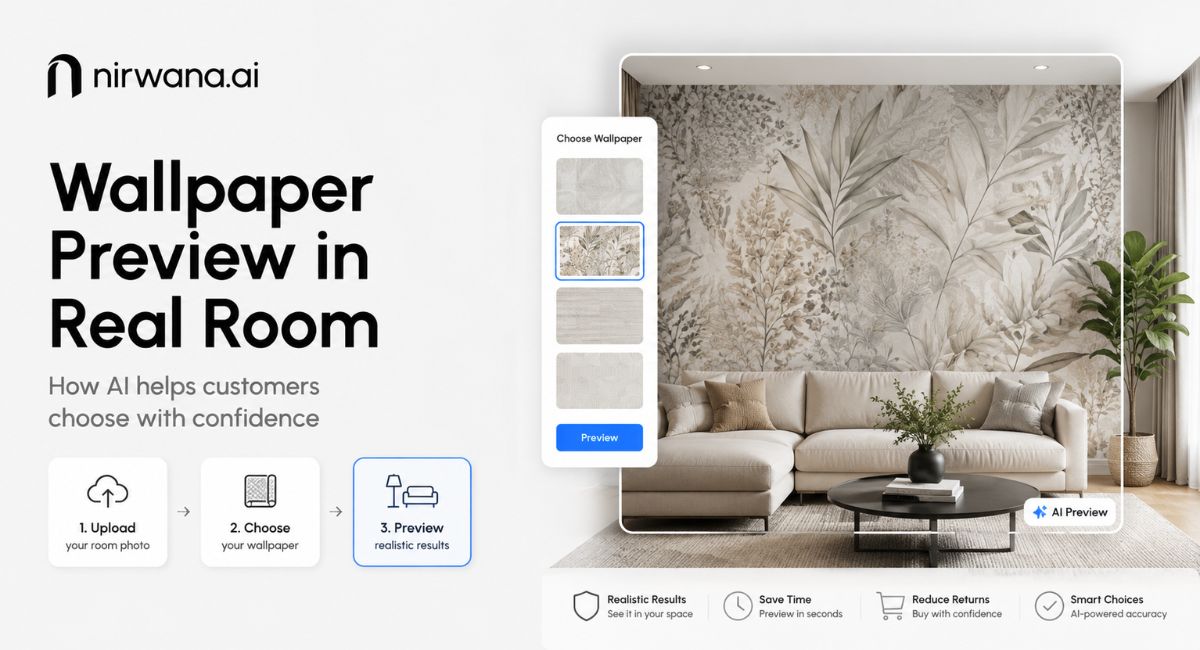
Choosing wall panels can be exciting, but it can also become confusing very quickly. A panel may look attractive in a catalogue or showroom display, yet the real question is: how will it look across an entire wall in your own space?
The colour, panel size, texture, pattern, lighting and surrounding furniture can completely change the final appearance. A dark wooden panel that looks elegant in a showroom may make a small bedroom feel cramped. Similarly, a decorative fluted panel may look perfectly balanced in a sample but appear too repetitive when applied to a large living-room wall.
This is where a wall panel design visualizer can make the buying process easier. Instead of relying entirely on imagination, customers can preview different wall panel options in a realistic image of their room before making a decision.
Why Choosing the Right Wall Panel Is More Difficult Than It Looks
Wall panels are no longer used only to cover damaged walls. They have become an important interior design element for homes, offices, hotels, restaurants, retail stores and commercial spaces.
Today, customers can choose from several options, including:
- Fluted wall panels
- Wooden decorative panels
- PVC wall panels
- WPC panels
- Acoustic panels
- Stone-finish panels
- Fabric-covered panels
- Geometric decorative panels
Having more choices is useful, but it also makes the decision more complicated.
Customers often struggle to understand whether a particular design will match their flooring, furniture, ceiling and overall interior style. They may also be unsure about covering the complete wall or using panels only in a selected area, such as behind a television unit, bed or reception desk.
Small product samples cannot provide all these answers. They show the colour and texture, but not the full visual impact of the installation.
What Is a Wall Panel Design Visualizer?
A wall panel design visualizer is a digital tool that allows users to apply different panel designs to an image of an interior space.
The customer uploads a photograph of the room, selects the wall surface and tries different panel options. The visualizer then creates a realistic preview showing how the selected panel could look after installation.
Modern visualization systems can understand walls, corners, furniture and other elements within the uploaded image. This allows the panel texture to be positioned correctly without covering objects such as windows, television units, shelves or doors.
The result is much more helpful than viewing a flat product image because the customer can compare the panel against the actual surroundings of the room.
How Visualization Improves the Customer Buying Journey
It Reduces Dependence on Imagination
Most customers are not interior designers. They may know which panel they like, but they often find it difficult to imagine the finished wall.
A wall panel design visualizer turns an abstract idea into something visible. Customers can see the panel design in context and judge whether it suits their space.
For example, a homeowner planning a television feature wall can upload a photo of the living room and compare light oak, dark walnut and marble-finish panels. Instead of guessing from small samples, the homeowner can see which option works best with the sofa, flooring and lighting.
It Makes Product Comparison Easier
Customers usually compare several wall panel designs before buying. Without visualization, they may need to carry samples home, take multiple photographs or repeatedly visit the showroom.
A visualizer allows them to switch between products instantly. They can compare colours, finishes, patterns and panel arrangements without physically installing anything.
This is particularly helpful when two products look similar in a catalogue but create very different results when applied across a complete wall.
It Helps Customers Make Decisions Faster
Uncertainty often delays purchases. Customers may like a design but hesitate because they are worried about choosing incorrectly.
When they can see a realistic preview, they feel more confident about the decision. This can shorten the sales cycle for wall panel manufacturers, dealers and interior product retailers.
The tool does not replace physical samples entirely. Instead, it helps customers create a shortlist before requesting samples or visiting a store.
The Importance of Scale and Pattern Alignment
A realistic preview is not simply a texture placed on top of a wall photograph. The scale of the panel and the alignment of the pattern must also be accurate.
Consider a fluted panel with narrow vertical grooves. If the grooves appear wider or narrower than the real product, the customer may develop the wrong expectation. Similarly, decorative panels with repeating patterns must connect naturally across the wall.
A capable wall panel design visualizer takes the original panel dimensions into account. It shows how frequently the design will repeat and how the individual panels may appear next to each other.
This true-scale representation is valuable for customers as well as interior designers. It helps them understand whether a bold pattern is suitable for a large feature wall or whether a simpler design would create a more balanced result.
Realistic Lighting Makes a Major Difference
Wall panels often react differently under natural and artificial lighting. Glossy panels may reflect light, textured panels may create shadows, and dark wooden finishes may appear warmer under yellow lighting.
Basic editing tools often ignore these details. They simply paste the selected design over the wall, making the result look flat and unrealistic.
Advanced tools such as Nirwana.ai use AI-powered visualization to preserve the lighting and perspective of the original room. The panel design follows the shape of the wall while retaining natural shadows and highlights.
For example, if sunlight is entering from a window on the left side, the visualized panel should respond to that light. This makes the preview more believable and helps customers form realistic expectations.
How Wall Panel Businesses Can Use Visualization
On an E-Commerce Website
Online shoppers cannot touch a panel or view it in a physical display. A wall panel design visualizer can bridge this gap by allowing customers to test products directly from the website.
A shopper can select a panel, upload a room photograph and view the result without leaving the product page. This creates a more interactive shopping experience and gives customers a stronger reason to continue exploring the catalogue.
Inside a Showroom
Sales teams can use visualization on a tablet, kiosk or large display during customer consultations.
Instead of explaining how a panel might look, the salesperson can show the customer a preview using a photograph of the actual room. This creates a more focused discussion around the right colour, finish and placement.
During Interior Design Consultations
Interior designers can use visualization to present multiple design directions without creating a detailed manual mock-up for every option.
Suppose a designer is planning a hotel reception area. The designer can compare wooden slat panels, stone-finish panels and geometric acoustic panels in the same space. This helps the client understand each option and provide faster feedback.
Benefits for Manufacturers and Retailers
Visualization is not only helpful for customers. It also supports the business behind the product.
By offering a wall panel design visualizer, manufacturers and retailers can:
- Present more products without creating a physical display for every design
- Improve online product engagement
- Reduce uncertainty during sales conversations
- Help customers shortlist suitable products
- Support dealers and interior designers with better presentation tools
- Create a more modern and interactive brand experience
Nirwana.ai can integrate realistic wall panel visualization into a company’s website, catalogue or in-store sales process. Businesses can add their own product designs and allow customers to preview them in real spaces while keeping the experience aligned with their brand.
What to Look for in a Visualization Tool
Not every visualizer provides the same quality. Businesses should evaluate how accurately the tool handles real-world interiors.
A useful solution should provide:
- Automatic wall detection
- Accurate texture placement
- Realistic panel scale
- Correct pattern repetition
- Perspective and corner alignment
- Natural lighting and shadow preservation
- Mobile-friendly image uploads
- Fast switching between products
The experience should also be simple. Customers should not need professional editing skills to create a preview. Uploading a photograph, selecting a wall and applying a design should take only a few steps.
Solutions like Nirwana.ai focus on simplifying this process while producing previews that are practical for both sales and customer decision-making.
Conclusion
Wall panels can transform an ordinary space, but choosing the right design requires more than looking at a small sample. Customers need to understand how the colour, scale, pattern and finish will work inside their actual room.
A wall panel design visualizer gives them a clearer and more confident way to explore their options before purchasing. For wall panel brands, manufacturers and retailers, it can improve product presentation, support faster decisions and create a more helpful buying experience.
Businesses looking to modernize the way they present wall panels can consider adding visualization to their website or showroom and give customers the confidence to choose the design they truly prefer.


 EREN YEAGER
 Apptunix Technologies