Alessandra Conti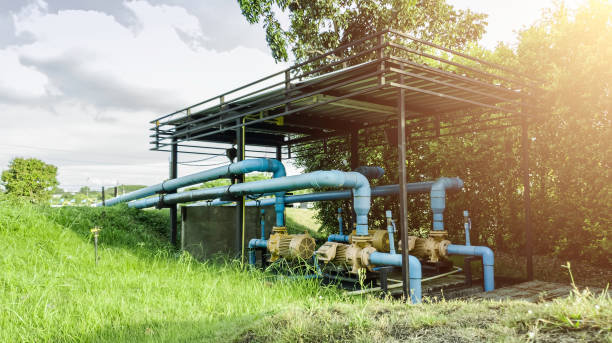
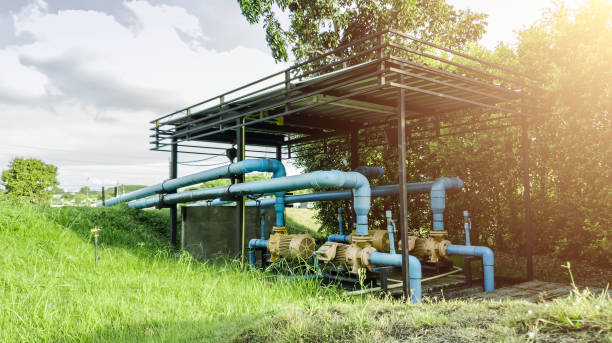
India’s water pump landscape is being shaped by the combined needs of agriculture, municipal water supply, wastewater treatment, construction, housing, and industrial activity. Pumps are essential for moving water across farms, households, factories, utilities, and commercial buildings. As water demand rises and infrastructure expands, the focus is shifting toward reliable, energy-efficient, and application-specific pumping systems.
According to MarkNtel Advisors, the India Water Pump Market was valued at around USD 3.40 billion in 2025 and is projected to grow from USD 3.78 billion in 2026 to USD 4.92 billion by 2032, registering a CAGR of 4.49% during 2026–2032. The from USD 3.78 billion in 2026 to USD 4.92 billion by 2032 forecast reflects steady demand across irrigation, water and wastewater, HVAC, industrial, and domestic applications.
Rural Water Supply and Irrigation Remain Core Drivers
India’s rural water systems depend heavily on pumps for groundwater extraction, surface water transfer, storage, and distribution. Government-supported piped water supply and irrigation projects are increasing the need for pumps that can operate reliably in varied conditions. The Jal Jeevan Mission has increased attention on household tap-water access, which directly supports demand for pumping equipment across rural and semi-urban networks.
Agriculture remains one of the largest practical use areas for water pumps. Farmers rely on pumps for borewells, canals, sprinklers, drip irrigation, and water transfer from ponds or reservoirs. In regions facing irregular rainfall, pumps help stabilize crop planning by improving water availability. However, this also increases the need for energy-efficient systems that can reduce operating costs for users.
Groundwater Pressure Is Influencing Pump Selection
Groundwater continues to play a major role in India’s water use, especially in agriculture and rural supply. The Central Ground Water Board tracks groundwater resources and supports planning around aquifer management. As water tables vary across states, pump selection depends on depth, discharge requirement, power availability, and long-term sustainability considerations.
Submersible pumps, centrifugal pumps, and borewell pumps are widely used where groundwater extraction is common. However, deeper water levels can increase energy consumption and maintenance needs. This is pushing buyers toward better motor efficiency, improved materials, and pumps that are correctly sized for local water conditions. Poorly matched pumps can increase electricity use and reduce equipment life.
Water and Wastewater Systems Support Urban Demand
The water and wastewater segment captured around 33.8% share in 2025, according to the MarkNtel study. This reflects demand from drinking water supply, sewage networks, treatment plants, stormwater systems, and reuse projects. Pumps are required across intake stations, lift stations, sludge handling, treated-water distribution, and pressure management systems.
Urban water governance is also becoming more important as cities expand. The Ministry of Housing and Urban Affairs is closely linked with urban infrastructure improvement, including water supply and sanitation initiatives. As municipalities modernize utilities, demand is expected for pumps that support continuous operation, lower downtime, and better integration with monitoring systems.
Industrial and Building Applications Are Expanding
Industrial users require pumps for process water, cooling, wastewater treatment, chemicals, boilers, and fire protection systems. India’s manufacturing growth, industrial corridors, and commercial construction are creating demand for durable pumping solutions across factories, data centers, hospitals, hotels, and residential complexes. HVAC is also emerging as a faster-growing use area, supported by commercial buildings and urban cooling needs.
Water pollution control further strengthens the importance of dependable pumping systems. The Central Pollution Control Board plays a key role in environmental monitoring and pollution regulation. Industrial users increasingly need pumps that can handle wastewater, treated effluent, and process fluids while supporting compliance with discharge and treatment expectations.
Energy Efficiency Is Becoming a Purchasing Priority
Energy use is one of the most important cost factors in pumping operations. Since pumps often run for long hours, even modest efficiency improvements can reduce lifecycle costs. The Bureau of Energy Efficiency supports energy-efficiency awareness and standards across sectors, making efficient motors and optimized pumping systems more relevant for Indian buyers.
Variable frequency drives, efficient motors, smart controllers, and solar-compatible pump systems are becoming more visible in the sector. For agriculture, solar pumps can reduce dependence on grid or diesel power where conditions are suitable. For urban utilities and industries, digital controls can help manage flow, pressure, and maintenance more effectively.
Outlook for India’s Pumping Ecosystem
India’s water pump demand is likely to remain steady, supported by irrigation, drinking water access, wastewater treatment, housing growth, and industrial activity. The sector’s future will depend not only on volume demand but also on performance quality. Buyers are expected to place more emphasis on durability, power efficiency, service access, and suitability for local water conditions.
Water planning is also becoming more integrated. The FAO’s sustainable agriculture work highlights the importance of resource-efficient food systems, which aligns with India’s need for better irrigation and water-use practices. As infrastructure expands, water pumps will remain central to both agricultural productivity and urban water resilience.


 INAUSCO DIGITAL
 FixElectrical Panel