Shawn Williams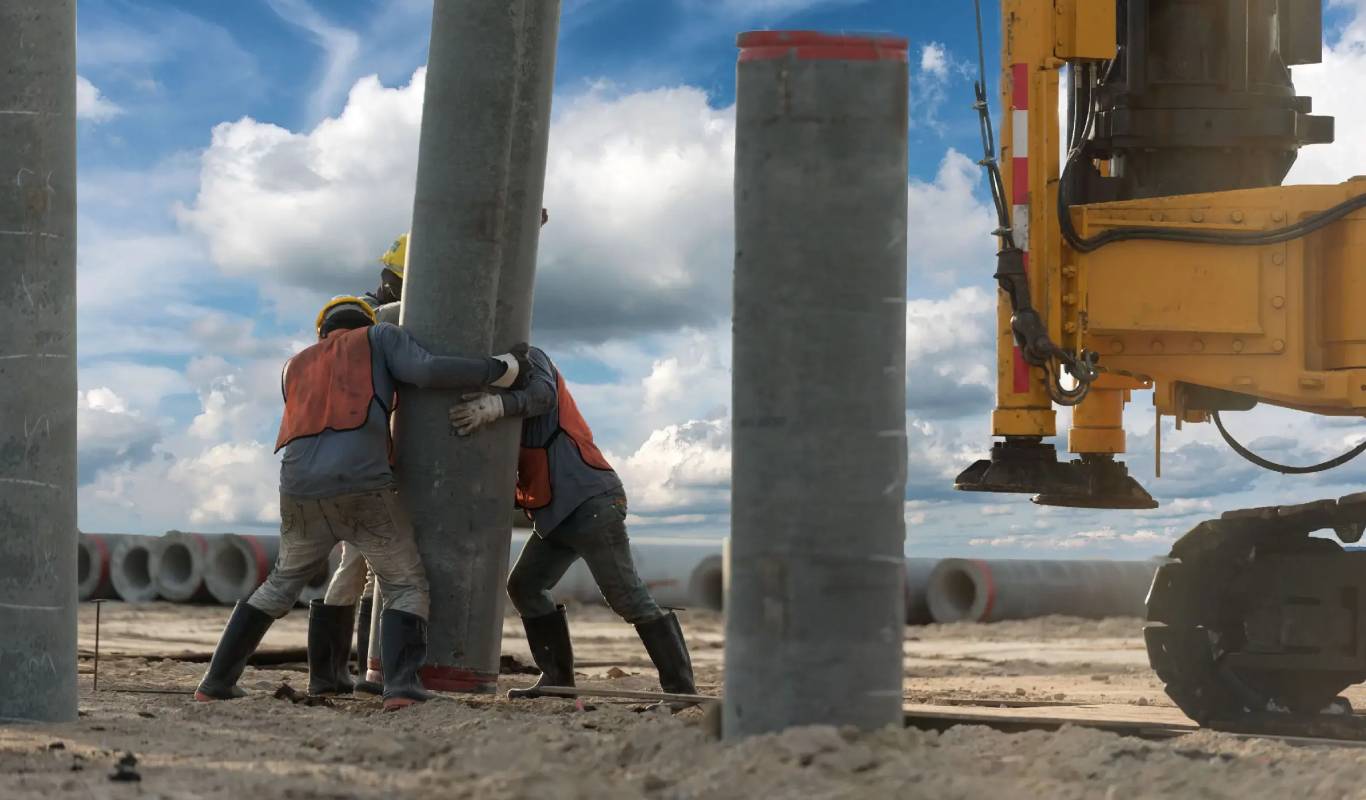
When planning any large construction project, one of the most critical steps is ensuring a solid and reliable foundation. Buildings and structures rely entirely on their base to remain stable and safe, so ignoring the groundwork can lead to costly mistakes.
Deep foundation projects are complex and require careful planning because they involve transferring the load of a structure far below the surface to reach stronger soil or rock layers. Therefore, it’s essential to evaluate multiple aspects that can affect the safety, durability, and cost of your project. Understanding these factors can save money, reduce delays, and ensure the long-term success of your construction.
Let’s explore what these factors are and why they are worth considering before starting the project.
Soil Conditions and Composition
Before starting a deep foundation, you need a thorough understanding of the soil where the project will be built. Soil can vary significantly within a small area, and its strength and composition affect the type of foundation you’ll need. You should conduct detailed soil testing to check for loose layers, clay content, water table levels, or any contaminants.
Working with experienced piling contractors can help interpret test results and suggest suitable pile types. Ignoring soil conditions may lead to foundation settlement, uneven loading, or even structural failure.
Load-Bearing Requirements
Every structure has a different weight, and understanding how that weight is distributed is critical before installing a deep foundation. The foundation must support not only the dead weight of the building materials but also live loads, such as people, furniture, and equipment. Additionally, you need to consider environmental forces like wind, rain, or earthquakes.
Calculating load-bearing requirements ensures that the piles and footings are designed correctly to avoid excessive settlement or structural damage. It protects you from expensive redesigning or reinforcement work during or after construction.
Water Table and Drainage
The level of groundwater in your construction area plays a vital role in choosing the foundation type. If the water table is high, certain piles may not perform as expected, and groundwater may cause erosion around the foundation. Proper drainage systems should be planned to prevent water accumulation near the base, which can weaken the soil over time.
Considering water control during the planning stage helps prevent delays, corrosion of materials, and potential flooding of basements or lower floors.
Environmental and Weather Conditions
Environmental factors and local weather can affect both the installation process and long-term performance of a deep foundation. For example, areas with heavy rainfall, frost, or seasonal flooding may require specially treated piles or additional waterproofing measures. Wind loads and seismic activity are also important considerations because they impact how the foundation transfers loads to the ground.
Understanding the local climate helps you choose materials that are resistant to corrosion, erosion, and extreme temperatures. Preparing for these conditions in advance ensures that your foundation remains stable and reduces the need for expensive maintenance later.
Foundation Type Selection
There are various types of deep foundations, such as driven piles, bored piles, or caissons, each with its advantages and limitations. Choosing the right type depends on the soil profile, load requirements, budget, and environmental factors. Driven piles are often faster to install but may cause noise and vibration, whereas bored piles are quieter and suitable for urban areas.
Making the wrong choice can compromise structural integrity and increase overall costs, so it’s vital to research thoroughly and consult with professionals during this stage. Evaluating these options carefully allows you to match the foundation type to your project’s specific needs.
Material Quality and Availability
The quality of materials used in a deep foundation project is essential for long-term stability. Concrete, steel, and other pile materials must meet required standards and be sourced reliably. Poor-quality materials can lead to cracks, corrosion, or failure under heavy loads. Additionally, consider the availability of materials locally to avoid project delays.
Planning ahead ensures that construction can proceed without interruptions. Working with reputable suppliers and checking certifications helps reduce risks associated with inferior materials and ensures that your investment in the foundation is secure.
Construction Equipment and Techniques
Installing a deep foundation requires specialised machinery such as pile drivers, drilling rigs, and cranes. Make sure to check that the equipment is available, properly maintained, and operated by trained professionals. Different techniques may be used depending on the soil type, pile design, and project size. Choosing the correct approach affects installation speed, cost, and safety.
Selecting Experienced Contractors
Choosing the right professionals to handle your foundation is one of the most critical decisions. Skilled piling contractors in London ensure proper installation, use of the correct materials, and adherence to safety and regulatory standards. When working in complex urban environments, you also need to hire specialised experts who are familiar with local conditions, regulations, and equipment.
A Final Word
Starting a deep foundation project requires careful planning, detailed analysis, and professional guidance. By considering all aforementioned factors, such as soil conditions, load requirements, regulations, budget, and the contractor’s expertise, you can ensure a safe and successful construction.


 Strat Rich
 Lki Consulting UK