frankie damien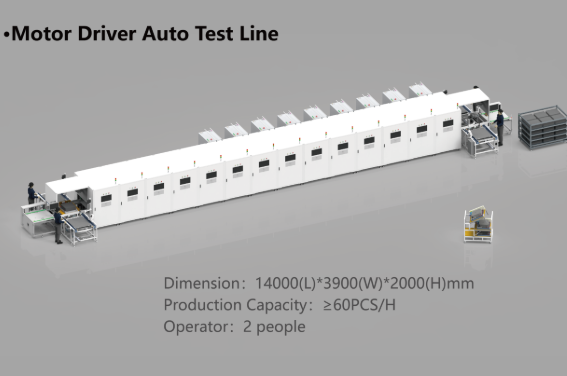
What Are Manufacturing Automation Solutions?
Manufacturing automation solutions refer to integrated technologies and systems designed to automate industrial processes, reduce manual labor, and increase production efficiency. These solutions combine robotics, control systems, sensors, and software to streamline manufacturing operations across multiple stages of production. In many industries, automation solutions manage repetitive tasks such as assembly, inspection, testing, and packaging.
Modern factories rely heavily on manufacturing automation solutions to remain competitive in global markets. By integrating intelligent equipment and digital control systems, manufacturers can achieve consistent quality, faster output, and improved operational reliability. These technologies are often customized to fit the unique needs of specific production environments.
The Growing Importance of Manufacturing Automation Solutions
In today’s competitive industrial landscape, manufacturing automation solutions are becoming essential rather than optional. Companies face increasing demand for higher product quality, faster production cycles, and reduced costs. Automation helps address these challenges by replacing time-consuming manual processes with efficient automated workflows.
Industrial robots and automated control systems are a key component of these solutions. Companies like FANUC develop advanced robotic systems used in manufacturing environments around the world, enabling factories to automate tasks such as welding, assembly, and material handling.
By implementing manufacturing automation solutions, businesses can significantly increase throughput while maintaining strict quality standards.
Key Technologies Behind Manufacturing Automation Solutions
Several technologies power modern manufacturing automation solutions, each contributing to more intelligent production processes. Robotics, machine vision systems, and industrial control platforms work together to create highly coordinated manufacturing environments.
Advanced software platforms also play a critical role. Digital manufacturing tools allow companies to simulate and optimize production workflows before implementing them on the shop floor. For example, digital manufacturing platforms can create virtual models of production systems, helping manufacturers improve scheduling, resource management, and quality control.
When these technologies combine within manufacturing automation solutions, they enable smart factories capable of adapting quickly to changing production demands.
Benefits of Implementing Manufacturing Automation Solutions
One of the most significant advantages of manufacturing automation solutions is increased efficiency. Automated systems operate continuously and with high precision, reducing human error and minimizing downtime. Many manufacturers report improved productivity after adopting automation technologies.
Automation also improves quality assurance. Modern automated inspection and testing systems can detect defects earlier in the production process, ensuring products meet strict quality standards. Testing platforms integrated with automation systems can identify configuration errors, detect faults, and ensure compliance with safety standards.
With these capabilities, manufacturing automation solutions help companies maintain reliable production while reducing operational costs.
Industry Applications of Manufacturing Automation Solutions
Manufacturing automation solutions are used across many industries, including electronics, automotive, aerospace, and consumer goods manufacturing. In electronics production, automated lines coordinate multiple machines and inspection systems to assemble and test products efficiently.
Modern automated production lines often rely on industrial networks and real-time data sharing to synchronize equipment and track performance metrics. For example, advanced Ethernet-based automation systems allow manufacturing equipment to share data instantly, enabling real-time monitoring and faster production decisions.
By integrating data and machinery, manufacturing automation solutions create connected production environments where information flows seamlessly across the entire factory.
Smart Factories and the Future of Manufacturing Automation Solutions
The future of manufacturing automation solutions lies in smart factories powered by artificial intelligence, advanced analytics, and connected machines. These intelligent systems can analyze production data in real time, identify inefficiencies, and automatically adjust workflows to optimize performance.
Automation platforms are also becoming more modular and scalable, allowing manufacturers to gradually expand their automation capabilities. Some companies provide plug-and-play automation components and digital engineering tools that allow engineers to design automated systems quickly and deploy them across multiple facilities.
With these innovations, manufacturing automation solutions will continue to drive digital transformation in manufacturing industries worldwide.
Choosing the Right Manufacturing Automation Solutions
Selecting the right manufacturing automation solutions requires careful evaluation of production goals, equipment compatibility, and long-term scalability. Businesses should consider whether they need automated assembly systems, testing solutions, robotic integration, or fully automated production lines.
Working with experienced automation integrators and technology providers can help companies design tailored automation strategies that align with their operational needs. Proper implementation ensures that manufacturing automation solutions deliver maximum return on investment while supporting future production growth.
Conclusion: Why Manufacturing Automation Solutions Matter
As industries move toward digital transformation and Industry 4.0, manufacturing automation solutions are becoming the backbone of efficient production. By integrating robotics, advanced software, and intelligent testing systems, manufacturers can streamline operations, improve product quality, and reduce costs.
Companies that invest in manufacturing automation solutions gain a competitive advantage by building faster, smarter, and more reliable production systems. In the coming years, automation will continue to shape the future of manufacturing, enabling factories to operate with unprecedented efficiency and flexibility.


 Aman Kabir
 Sonar Appliances Private Limited