Lehigh Valley Valve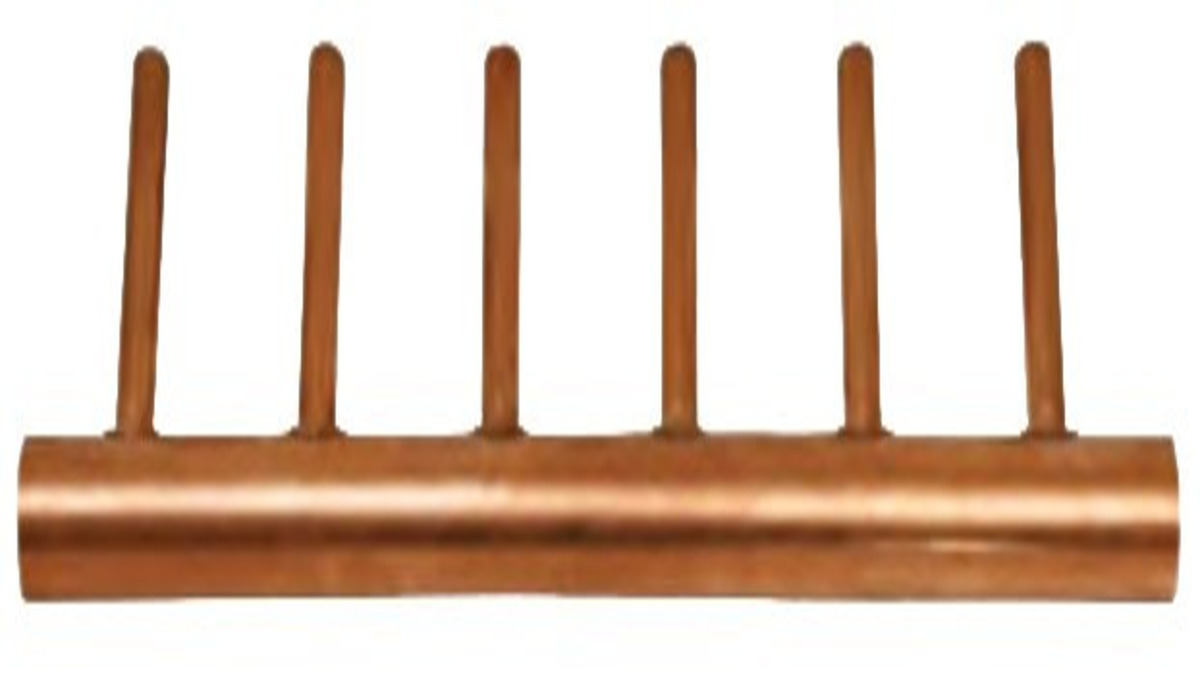
Modern plumbing design now focuses on efficiency, control, and long-term durability. Contractors want systems that simplify installation while improving water distribution. That shift has increased interest in the copper branch manifold approach.
A copper branch manifold allows water to move from a single supply line to multiple outlets. Each branch directs water to fixtures such as sinks, showers, and appliances. This structure improves system organization and reduces pressure imbalance across the network.
Many commercial and residential systems now rely on manifold distribution rather than traditional trunk and branch piping. The method supports better control, faster maintenance, and improved performance in complex plumbing systems.
What Is a Copper Branch Manifold and How Does It Work?
A manifold works as a central distribution hub for water flow. One main supply pipe enters the manifold body. Multiple branch outlets then distribute water to individual fixtures.
In a copper branch manifold, the manifold body uses copper tubing. Copper offers excellent corrosion resistance and reliable long-term performance. These characteristics make it suitable for potable water and hydronic applications.
Each outlet branch typically connects to a dedicated fixture line. This design allows plumbers to isolate or service individual lines when needed. As a result, repairs often require less disruption to the entire plumbing system.
Copper manifolds also support consistent pressure across multiple outlets. When several fixtures operate simultaneously, water flow remains more balanced.
Why Are Plumbing Professionals Adopting Manifold Systems?
Plumbing professionals often choose manifold systems for efficiency and system control. The structure simplifies water distribution and reduces the number of complex pipe junctions.
Traditional trunk systems rely on several tees and branch connections. Each connection increases the chance of leaks and pressure drops. A manifold system reduces these connections significantly.
Installers also appreciate the organized layout. A central manifold location makes the system easier to monitor and maintain. Technicians can quickly identify and isolate individual supply lines.
This approach also supports modern building designs that include multiple bathrooms, kitchens, and utility areas.
How Does Copper Improve System Durability?
Material choice remains critical in plumbing system design. Copper has served as a trusted piping material for decades.
Copper resists corrosion in potable water systems and maintains structural strength over long periods. It also tolerates temperature changes better than many plastic alternatives.
A copper branch manifold benefits from these properties. The metal structure handles both hot and cold water distribution effectively.
Copper also supports hygienic water delivery. The material naturally discourages bacterial growth compared with some alternative piping materials.
Because of these characteristics, copper manifolds often appear in commercial plumbing systems and high-performance residential installations.
What System Configurations Are Available?
Plumbing projects vary widely in scale and design. Manifold systems must adapt to different distribution requirements.
Manufacturers offer manifolds with several branch configurations. Systems may include three, four, five, or six branch outlets for smaller installations. Larger projects may require manifolds with twelve, eighteen, or even twenty-four branches.
These configurations allow engineers and contractors to match the manifold size with the building layout. Proper sizing ensures steady water flow and reduces pressure variation across fixtures.
Copper manifolds also support compatibility with modern piping systems such as PEX distribution lines. This hybrid approach combines copper durability with flexible piping installation.
Can Manifold Systems Improve Maintenance and System Control?
Yes. Maintenance efficiency represents one of the strongest advantages of manifold plumbing systems.
Each outlet line connects to a dedicated branch. Technicians can isolate a single branch without shutting off the entire system. This capability proves valuable in apartment buildings, hospitals, and commercial properties.
If a fixture requires repair, the technician closes only that branch line. Other fixtures continue operating normally.
This level of control improves operational reliability. Property managers also benefit from faster maintenance and fewer service interruptions.
Manifold systems also help detect leaks more quickly. When a branch line experiences pressure loss, technicians can identify the source faster because each outlet has a defined connection point.
Why Do Engineers Prefer Copper Manifold Distribution in Modern Buildings?
Engineering teams now prioritize systems that support long-term efficiency and adaptability.
A copper branch manifold offers several advantages for large or complex buildings. It simplifies system planning and reduces the number of fittings required during installation.
Engineers can also design cleaner mechanical rooms by centralizing plumbing distribution points. This layout improves access for inspections and system upgrades.
The reliability of copper further supports building lifecycle goals. Many commercial projects prioritize materials that maintain performance for decades.
When combined with proper system design, copper manifolds provide consistent flow, strong structural integrity, and dependable water delivery.
A Forward-Looking Approach to Plumbing System Design
Plumbing technology continues to evolve as buildings grow more complex and performance-driven. Engineers now focus on distribution systems that improve efficiency, reliability, and service access.
The copper branch manifold approach reflects that shift toward smarter infrastructure. By centralizing water distribution and improving branch control, manifold systems simplify both installation and maintenance.
Suppliers such as Lehigh Valley Valve help contractors and engineers access reliable manifold solutions for modern plumbing systems. Their product inventory includes copper manifold configurations with multiple branch options designed to support diverse residential and commercial installations.
As plumbing design continues to modernize, centralized manifold distribution will likely remain a key strategy for efficient and durable water systems.


 Enso Brands
 Susan Armadale