Harjot International
If you run a small fabrication shop, you already know that every machine you invest in has to earn its place. Floor space is limited, budget has to be watched carefully, and the equipment needs to work reliably without demanding constant maintenance. A shearing machine is usually one of the first major investments a fabrication business makes – and picking the right one can genuinely make a difference to how smoothly your daily operations run.
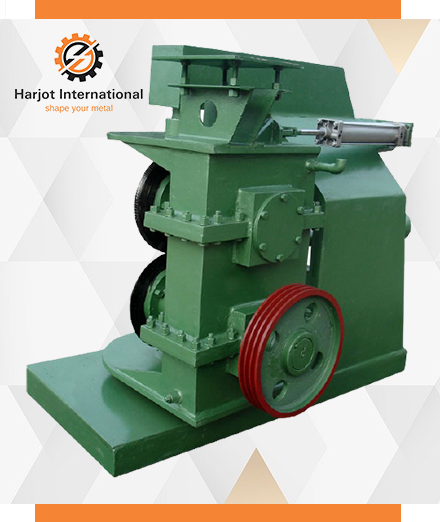
This article breaks down what to look for, which types of shearing machines suit smaller fabrication setups, and how to make a decision that you will not regret a year down the line.
What Does a Shearing Machine Actually Do?
Before getting into types and specifications, a quick explanation for anyone newer to fabrication.
A shearing machine works a lot like a giant, industrial pair of scissors. It uses a fixed lower blade and a moving upper blade to slice straight lines through sheet metal or heavy plates. Unlike burning through steel with a plasma torch or gas cutter, shearing doesn’t use heat. That means you get clean cuts instantly, with zero warping, no burnt metal edges, and no messy slag to clean up afterward. It keeps your workshop floor neat and your production speeds incredibly fast.
Types of Shearing Machines – Which One Fits a Small Setup?
There are several types of shearing machines available, and they are not all suited to the same kind of work. Here is a practical breakdown:
Mechanical Shearing Machine
This machine uses an electric motor connected to a heavy flywheel and clutch system. When you tap the foot switch, the flywheel releases all its stored energy at once, forcing the blade down in one fast stroke.
It cuts incredibly fast. If you are doing high-volume repeat work with thin materials, mechanical setups move at lightning speeds. The downside is that it has less control over cutting force compared to hydraulic types, which limits what material thickness it can handle.
Hydraulic Shearing Machine
A hydraulic shearing machine uses hydraulic pressure to drive the blade – which gives it more consistent force, better control, and the ability to cut thicker materials. For small fabrication businesses that work with a range of material thicknesses, a hydraulic shearing machine is worth the extra investment.
It runs quieter than a mechanical type, puts less stress on the machine structure over time, and generally gives cleaner cuts across varying material gauges.
Guillotine Shearing Machine
This is probably the most common type seen in fabrication shops. The blade comes straight down in a guillotine motion – clean, simple, and effective for straight-line cuts on sheet metal. Most small shops use a hydraulic guillotine shearing machine as their primary cutting tool.
If you only have the budget or space for one shearing machine, this is usually the one.
Rotary Shear Machine
A rotary shearing machine uses rotating disc blades to cut material continuously. It is better suited to higher-volume operations or specific cutting tasks like trimming coil edges. For most small fabrication shops, a rotary shear is a secondary or specialized tool rather than a primary one.
Key Things to Look for When Buying a Shearing Machine
- Cutting Capacity
This is the most important specification. Cutting capacity tells you the maximum material thickness and width the machine can handle. Do not just buy for what you are cutting today – think about what jobs you might take on in the next two or three years and size accordingly. Buying a machine that is at its limit with your current work means you will outgrow it quickly.
- Blade Gap Adjustment
The gap between the upper and lower blades needs to be adjusted based on material thickness. A machine with easy, accurate blade gap adjustment gives you cleaner cuts across different material gauges. Some cheaper machines make this adjustment awkward, which slows down job changeovers significantly.
- Back Gauge
A back gauge is the stop that positions the material before the cut, so every piece comes out the same length. For a fabrication shop doing repeat cuts, a reliable back gauge saves a huge amount of time and reduces measurement errors. Many modern hydraulic shearing machines come with a motorized back gauge that you can set digitally – this is worth having if you do production work.
- Blade Material and Life
The blades are consumable – they dull over time and eventually need to be flipped or replaced. A machine that uses standard, easily available blade sizes keeps your running costs predictable. Check with the manufacturer how many sides each blade has (most have four usable edges) and roughly how many cuts you can expect before replacement is needed.
- Machine Build Quality
A light, flimsy frame will flex during cutting, which affects cut quality and wears the machine out faster. For a shop that uses the machine daily, a rigidly built machine pays for itself in longevity. Cast iron frames and heavy-duty welded steel construction are what you want to see.
- After-Sales Support
This one matters more than most buyers realize at the time of purchase. When something needs attention – a blade change, a hydraulic seal, an electrical fault – you want to be able to get a response quickly. Buying from a manufacturer who has service capability in your region and keeps spare parts in stock saves a lot of frustration down the line.
Common Mistakes People Make When Buying a Shearing Machine
Only looking at the price. A cheaper machine with poor blade quality, loose tolerances, and no after-sales support will cost more in the long run through wasted material, downtime, and early replacement.
Undersizing the capacity. Buying a machine that is already at its limit with your current jobs leaves no room to grow and puts unnecessary strain on the machine.
Ignoring the back gauge. Shops that do a lot of repeat cutting without a proper back gauge spend enormous amounts of time measuring and marking manually. It is a false economy.
Not checking spare parts availability. Some imported machines are cheap upfront but spare parts take weeks to arrive. For a production shop, that is unacceptable downtime.
Final Thoughts
A shearing machine is a long-term investment for any fabrication business that should run smoothly for ten to fifteen years. The wrong one will be a source of frustration, inconsistent quality, and unexpected costs within the first couple of years. That is why choosing an experienced machinery manufacturer like Harjot International makes a massive difference for small business owners.


 tiptop einrichtung
 Ammar Saleem