rahul rahul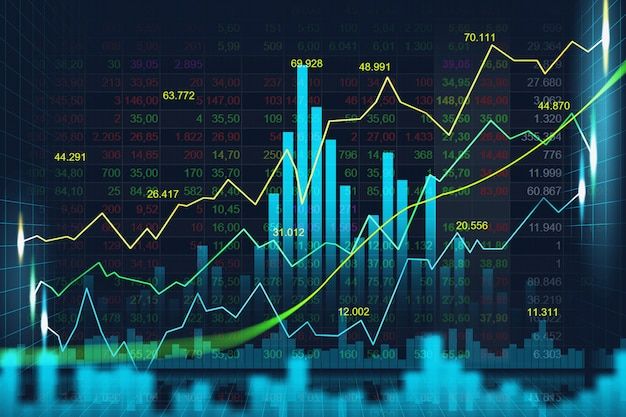
 The financial market is constantly changing. One moment, a stock is gaining momentum, and the next moment, the market shifts because of global news, economic updates, or investor sentiment. For traders, this fast-moving environment creates both opportunity and uncertainty. That is why many individuals actively search for the best trading tips to improve their understanding of market behavior and build stronger trading discipline.
Trading is often misunderstood as a quick process driven only by luck or fast decisions. In reality, experienced traders usually spend more time studying market trends, understanding price movement, and managing emotions than reacting impulsively to every fluctuation. Trading is not simply about predicting price direction; it is about learning how markets behave under different conditions. Modern technology has made trading more accessible than ever before. Online trading platforms, real-time charts, mobile applications, and financial education resources allow traders to monitor the market from almost anywhere. At the same time, easy access to information has also increased the importance of analytical thinking and disciplined decision-making. This article explores practical trading insights, technical analysis concepts, trading psychology, risk management principles, and market observation techniques that help traders improve financial awareness and approach the market more responsibly.
Trading Begins With Understanding the Market Environment
Before entering any trade, it is important to understand the broader market environment. Many price movements are influenced by factors beyond individual stocks.
Market conditions are often affected by:
- Economic reports
- Inflation data
- Interest rate announcements
- Corporate earnings
- International developments
- Investor sentiment
Traders who observe these factors regularly often develop a better understanding of market behavior.
Daily market observation helps traders recognize whether the market is:
- Trending upward
- Moving sideways
- Experiencing volatility
- Reacting to major news events
This awareness improves decision-making and reduces emotional reactions during trading sessions.
Different Trading Styles Require Different Mindsets
Every trader follows a different approach depending on their goals, time availability, and market understanding.
Intraday Trading
Intraday trading focuses on short-term price movement within a single trading session.
Intraday traders often monitor:
- Price momentum
- Volume activity
- Technical indicators
- Volatility patterns
This style requires focus and quick observation.
Swing Trading
Swing trading involves holding positions for several days or weeks to capture medium-term price movement.
Swing traders generally focus on:
- Trend continuation
- Momentum shifts
- Technical chart structures
Positional Trading
Positional trading focuses on broader market trends and long-term market observation.
This style often combines:
- Technical analysis
- Fundamental research
- Sector performance analysis
Understanding these approaches helps traders choose strategies that align with their trading personality and comfort level.
The Importance of Technical Analysis
Technical analysis is one of the most widely used methods for studying financial markets.
It involves analyzing:
- Historical price movement
- Chart patterns
- Market momentum
- Trading volume
- Trend structures
Technical analysis helps traders identify possible market behavior rather than relying purely on speculation.
Many traders use chart analysis to study:
- Trend direction
- Breakout zones
- Support and resistance levels
- Volatility conditions
Technical Indicators Commonly Used in Trading
Moving Averages
Moving averages help traders identify overall market direction by smoothing short-term price fluctuations.
Popular moving averages include:
- 20-day moving average
- 50-day moving average
- 200-day moving average
These indicators are commonly used to observe momentum and trend strength.
Relative Strength Index (RSI)
RSI is a momentum indicator used to measure the speed and strength of price movement.
Many traders use RSI to identify:
- Overbought conditions
- Oversold conditions
- Momentum shifts
MACD Indicator
MACD is often used to analyze trend momentum and possible market reversals. Traders commonly combine MACD with moving averages for better trend interpretation.
Bollinger Bands
Bollinger Bands help traders study volatility and price expansion behavior.
They are commonly used to observe:
- Market compression
- Volatility spikes
- Momentum activity
Understanding Support and Resistance
Support and resistance are important concepts in market analysis.
Support Zone
A support level is an area where buying interest may increase.
Resistance Zone
Understanding these zones helps traders plan:
- Trade entries
- Exit strategies
- Risk management levels
- Market reaction analysis
Support and resistance levels often act as key decision areas during market movement.
Risk Management Is Essential in Trading
One of the most important trading lessons is understanding that protecting capital matters more than chasing excitement. Financial markets can move unpredictably, and risk management helps traders control exposure during volatile conditions.
Risk management strategies often include:
- Stop-loss placement
- Position sizing
- Capital allocation
- Diversification awareness
- Exposure limits
Experienced traders often focus on maintaining consistency rather than taking excessive risks. Good risk management supports long-term market participation.
Emotional Discipline Shapes Trading Decisions
Fear, greed, excitement, and panic often impact trading behavior.
Common emotional mistakes include:
- Overtrading during volatility
- Panic selling during corrections
- Fear of missing out (FOMO)
- Emotional attachment to trades
- Revenge trading after losses
Emotional discipline helps traders stay focused on analysis instead of reacting impulsively to short-term market movement. Many experienced traders consider trading psychology just as important as technical analysis.
Why Patience Matters in Trading
Patience is often underestimated in financial markets. Many beginners feel pressure to trade constantly, even when market conditions are unclear.
Patience helps traders:
- Avoid impulsive decisions
- Reduce emotional stress
- Improve trade quality
- Follow trading plans consistently
Sometimes choosing not to trade can be a disciplined decision.
Keep a Trading Journal
A trading journal is a useful tool for improving self-awareness and trading discipline.
A journal may include:
- Entry and exit points
- Market conditions
- Strategy observations
- Emotional reactions
- Lessons learned
Reviewing past trades helps traders identify behavioral patterns and improve decision-making quality over time. Many traders use journals to refine their strategies gradually.
Avoid Information Overload
Modern traders have access to unlimited information through social media, financial websites, and trading communities. While information can be useful, excessive market noise often creates confusion.
Traders should focus on:
- Verified financial data
- Structured market analysis
- Technical chart studies
- Economic developments
Avoiding random rumors and emotional discussions helps improve analytical clarity.
Continuous Learning Improves Market Understanding
Financial markets evolve continuously due to changing economic conditions, technology, and investor behavior.
Continuous learning helps traders improve their understanding of:
- Market cycles
- Trading psychology
- Technical analysis
- Risk management
- Financial indicators
Many traders continue learning through:
- Trading books
- Financial webinars
- Market research articles
- Educational videos
- Technical chart practice
Consistent learning helps build stronger financial awareness over time.
Technology Has Changed Modern Trading
Technology has transformed how traders interact with financial markets.
Modern trading tools include:
- Real-time charting platforms
- Mobile trading applications
- AI-based market scanners
- Automated alerts
- Portfolio tracking systems
These tools improve accessibility and market observation efficiency. However, technology works best when combined with disciplined thinking and responsible decision-making.
Common Trading Mistakes to Avoid
- Trading Without a Plan: Lack of preparation often leads to emotional decisions.
- Ignoring Risk Management: Poor capital management can increase unnecessary exposure.
- Chasing Market Momentum Emotionally: Entering trades impulsively during rapid price movement may reduce analytical quality.
- Following Market Rumors: Unverified information may create confusion and emotional reactions. Recognizing these mistakes helps traders improve discipline and market awareness gradually.
Building Stronger Trading Habits Over Time
Trading success is rarely built overnight. Most experienced traders improve through observation, learning, discipline, and gradual improvement.
Strong trading habits often include:
- Structured planning
- Emotional discipline
- Consistent learning
- Market observation
- Risk awareness
Financial markets continue to evolve, and traders who adapt through education and analysis often build stronger long-term market understanding.
Conclusion
The search for the best trading tips is ultimately a search for better market understanding and disciplined decision-making. Trading is not only about reacting to price movement; it involves preparation, analysis, emotional control, and continuous learning. Financial markets remain dynamic and uncertain, which makes patience, research, and structured thinking increasingly important. Traders who focus on technical analysis, market awareness, risk management, and emotional discipline often develop stronger analytical skills over time. Rather than relying on speculation or impulsive behavior, disciplined trading practices encourage more responsible participation in the financial ecosystem and support long-term financial awareness.


 Tarpaulin Dubai
 Jhon Kary