anna sent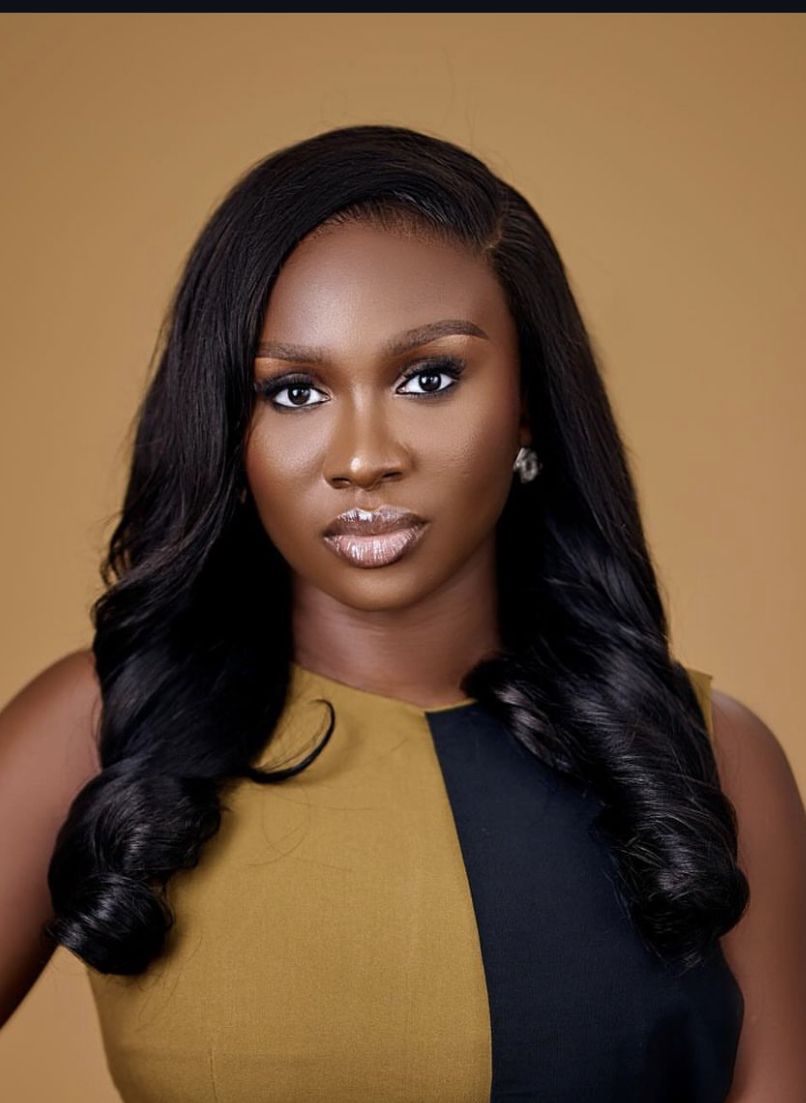
Whether you are looking to add dramatic length, subtle volume, or a pop of color without the commitment of dye, real human hair extensions remain the gold standard of the beauty industry. In 2026, the trend has shifted away from the “heavy and obvious” look toward “invisible and healthy,” prioritizing hair integrity over sheer quantity.
If you’re considering an investment in your mane, this guide covers everything from the science of Remy hair to the latest application methods dominating the salon floor this year.
Why Choose Human Hair Over Synthetic?

While synthetic fibers have improved, they still can’t compete with the versatility of human hair. Real human hair extensions allow you to use heat tools—curling irons, flat irons, and blow dryers—just as you would on your own hair. More importantly, they possess a natural movement and light-reflective quality that synthetic strands lack.
The “Remy” Gold Standard
You’ve likely seen the term Remy everywhere. This isn’t just a brand name; it’s a quality grade. In Remy hair, the cuticles (the outermost protective layer) are kept intact and aligned in the same direction.
- Why it matters: When cuticles are misaligned, they catch on each other like fishhooks, leading to the dreaded “bird’s nest” tangling after just one wash.
- Longevity: High-quality Remy or “Raw” hair can last anywhere from 6 to 12 months—and in some cases up to three years—with proper care.
Top Extension Methods of 2026

Choosing the right application method depends on your hair density and lifestyle. Here are the most popular choices currently trending:
1. Tape-In Extensions (The All-Rounder)
Tape-ins use medical-grade adhesive strips to “sandwich” your natural hair. They lie incredibly flat against the scalp, making them the preferred choice for those with fine or thinning hair
2. Hand-Tied Wefts (The Volume Queen)
Hand-tied wefts are sewn onto a track of silicone beads. Because the wefts are so thin, you can stack multiple layers for maximum volume without the bulk. They are highly sought after for their “invisible” look when the hair is tied up.
3. Nano-Rings and K-Tips (Strand-by-Strand)
If you want 360° movement, strand-by-strand methods are the way to go. Nano-rings are 90% smaller than traditional micro-beads, while K-Tips (Keratin Tips) use a heating tool to fuse the extension to your hair. These are ideal for active lifestyles and high ponytails.
4. Halo Extensions (The Zero-Commitment Hero)
A “Halo” is a single weft hair extensions attached to a transparent wire that sits on your head like a headband. It requires no glue, no beads, and zero salon time. In 2026, this is the top-selling DIY option for those who only want extra glam for special events.
The 2026 Care Routine: Protecting Your Investment
Human hair extensions don’t receive natural oils from your scalp, so they require a bit of extra TLC to stay hydrated.
- Sulfate-Free is Mandatory: Sulfates strip moisture. Use professional-grade, hydrating shampoos and conditioners.
- The “Bottom-Up” Brush: Always use a loop brush or a wide-tooth comb. Hold the hair at the root to save tension and brush from the ends upward.
- The Silk Rule: Friction is the enemy of extensions. Sleep on a silk or satin pillowcover and always put your hair in a loose braid or low bun before bed to prevent matting.
- Heat Protection: Just because it’s “real hair” doesn’t mean it’s invincible. Always apply a heat saver before use tools.
Is It Worth the Investment?

High-quality human hair extensions are an investment in your confidence. While the upfront cost (ranging from $300 to $1,500+ depending on the method and length) can be steep, the cost-per-wear often justifies it.
The 2026 mantra for hair is “Health First.” When installed by a professional and maintained with the right products, extensions won’t just make your hair look better—they can actually act as a protective style, allow your natural hair to grow undisturbed underneath.
Ready to transform your look? The best first step is always a professional consultation to see which “fit” is right for your unique hair profile.


 Robert Miller
 cole buxton