Dynamic Life Clinics Dubai
Skin tags are small, soft growths that commonly appear on areas where the skin folds or experiences friction, such as the neck, underarms, eyelids, and chest. While they are harmless, many people choose to remove them for cosmetic reasons or comfort. In modern dermatology, Skin Tag removal in Dubai is widely discussed because of advanced methods that allow removal without traditional surgery or extended recovery time.
Understanding Skin Tags
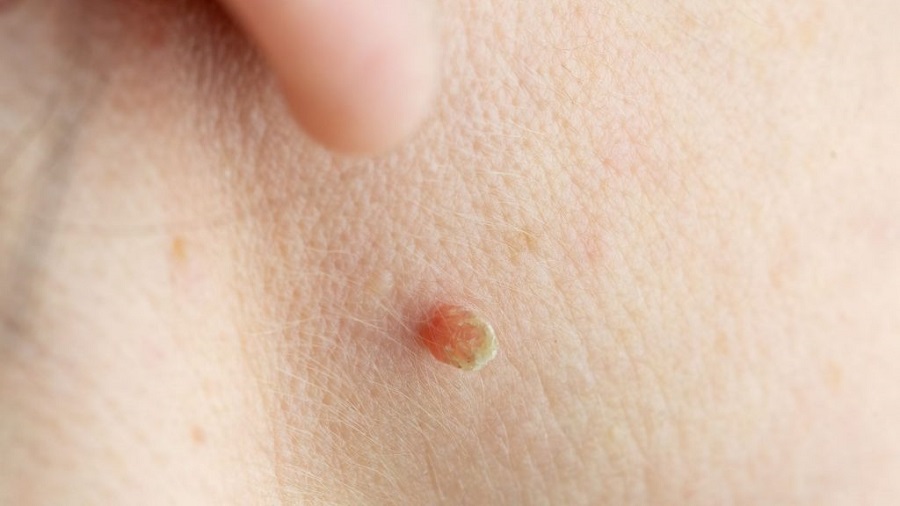
Skin tags are benign skin growths made of collagen fibers and blood vessels surrounded by skin. They are non-cancerous and usually painless, but they can become irritating if they rub against clothing or jewelry.
Why People Choose to Remove Skin Tags
Although skin tags are medically harmless, they are often removed for aesthetic improvement, comfort, or hygiene reasons. Some individuals also prefer smoother skin appearance, especially in visible areas like the neck or face.
Can Skin Tag Removal Be Done Without Surgery?
Yes, modern skin tag removal techniques often do not require surgical cutting or stitches. Many advanced dermatological procedures are designed to remove skin tags safely using minimally invasive methods that target the tissue directly.
Non-Surgical Skin Tag Removal Methods
Today’s treatments focus on precision and comfort rather than surgical excision. Common non-surgical approaches include:
- Cryotherapy (freezing the skin tag)
- Electrocautery (using controlled heat energy)
- Laser-based removal techniques
- Medical ligation methods
- Advanced cosmetic dermatology procedures
Key Benefits of Non-Surgical Removal
- No stitches or surgical cuts required
- Minimal discomfort during procedure
- Quick treatment sessions
- Reduced risk of scarring
- Faster skin recovery
Is There Downtime After Skin Tag Removal?
In most modern procedures, downtime is minimal or almost none. Patients can usually return to normal daily activities shortly after treatment, depending on the method used and the size of the skin tag removed.
Why Recovery Is Usually Quick
Skin tags are superficial growths that sit on the outer layer of the skin. Because they do not involve deeper tissue structures, removal procedures are typically quick and the skin heals rapidly.
How Different Methods Affect Recovery Time
Different techniques may have slightly different recovery experiences:
Cryotherapy
This method freezes the skin tag, causing it to fall off naturally. Mild redness may occur, but downtime is minimal.
Electrocautery
This uses controlled heat to remove the tag. Healing is usually quick with minor scabbing.
Laser Removal
Laser techniques target the skin tag precisely, often resulting in smooth healing and minimal aftercare.
Ligation Methods
These cut off blood supply to the skin tag, allowing it to fall off naturally without surgical cutting.
Areas Commonly Treated
Skin tag removal is commonly performed in areas where tags are most likely to appear.
- Neck for visible cosmetic improvement
- Underarms for comfort and hygiene
- Eyelids for delicate removal
- Chest for smoother skin appearance
- Groin area for friction reduction
Factors That Influence Healing Time
- Size and number of skin tags
- Treatment method used
- Skin sensitivity
- Aftercare practices
- Location of the skin tag
Importance of Proper Technique
Choosing the right removal method ensures minimal discomfort and faster healing. Precision techniques help protect surrounding skin and reduce the chance of scarring or irritation.
What to Expect After Treatment
After removal, the treated area may show slight redness or sensitivity. In most cases, this settles quickly as the skin naturally heals and regenerates.
Long-Term Skin Benefits
Beyond cosmetic improvement, removing skin tags can also reduce irritation caused by friction, improve skin smoothness, and enhance overall skin appearance.
FAQ’s:
Can skin tags be removed without surgery?
Yes, non-surgical methods are commonly used.
Is there downtime after removal?
Usually minimal or none.
Does skin tag removal hurt?
Most procedures involve mild discomfort only.
Will scars remain?
Scarring risk is very low with modern techniques.
How long does healing take?
Most skin heals within a few days.
Conclusion
Skin tag removal has become a simple and minimally invasive procedure with modern advancements in dermatology. With Skin Tag removal in Dubai, many non-surgical techniques allow safe and effective removal without stitches, major discomfort, or significant downtime. This makes it a convenient option for individuals seeking smoother, clearer skin with quick recovery and minimal disruption to daily life.

 enfield abudhabi
 Neil Clark