kili Trips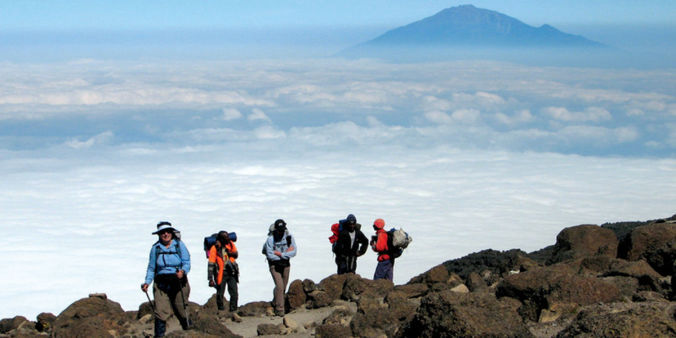
Mount Kilimanjaro is Africa’s tallest mountain and one of the world’s most iconic trekking destinations. Standing at 5,895 meters (19,341 feet), this dormant volcano in Tanzania attracts thousands of trekkers every year. Unlike technical mountain climbs, Kilimanjaro does not require ropes or advanced mountaineering skills, making it a dream adventure for beginners and experienced hikers alike.
This Climbing Kilimanjaro Guide covers everything from choosing the best route to training, packing, and summit success tips.
Why Climb Kilimanjaro?
Climbing Kilimanjaro is more than reaching a summit—it is a life-changing adventure. Trekkers experience five unique climate zones, from rainforest to alpine desert and Arctic summit conditions.
Benefits of climbing Kilimanjaro include:
- Reaching Africa’s highest peak
- Stunning sunrise views from Uhuru Peak
- Personal challenge and achievement
- Wildlife encounters in surrounding national parks
- Cultural interaction with local guides and porters
Many travelers combine the trek with a safari or Zanzibar beach holiday.
Best Time to Climb Kilimanjaro
Weather plays a huge role in summit success. The best months for climbing are during dry seasons:
January to March
- Cooler temperatures
- Fewer crowds
- Possible snow on summit
June to October
- Most popular trekking season
- Clear skies and dry trails
- Ideal for first-time climbers
Avoid April, May, and November due to heavier rainfall and muddy conditions.
Best Kilimanjaro Routes
Choosing the right route is essential for safety and enjoyment.
Machame Route
Known as the “Whiskey Route,” Machame is scenic and popular.
Pros:
- Beautiful landscapes
- Good acclimatization profile
- High summit success rate
Duration: 6–7 days
Marangu Route
Also called the “Coca-Cola Route.”
Pros:
- Hut accommodation
- Easier logistics
Cons:
- Lower acclimatization success
Duration: 5–6 days
Lemosho Route
One of the best options for beginners.
Pros:
- Less crowded
- Excellent acclimatization
- High success rate
Duration: 7–8 days
Rongai Route
Approaches from the north.
Pros:
- Drier conditions
- Quieter trail
Duration: 6–7 days
How Difficult is Kilimanjaro?
Although Kilimanjaro is non-technical, the challenge comes from altitude, cold weather, and long trekking days.
Common challenges:
- Altitude sickness
- Fatigue
- Cold temperatures
- Summit night exhaustion
Success depends more on acclimatization than physical fitness alone.
Training for Kilimanjaro
Training should begin at least 8–12 weeks before departure.
Recommended preparation:
Cardio Training
Build endurance through:
- Hiking
- Running
- Cycling
- Swimming
Strength Training
Focus on:
- Legs
- Core
- Back
Exercises:
- Squats
- Lunges
- Step-ups
- Planks
Practice Hiking
Train with a loaded backpack on uneven terrain.
Essential Packing List
Packing properly can make or break your Kilimanjaro experience.
Clothing
- Moisture-wicking base layers
- Insulated jacket
- Waterproof shell jacket
- Hiking pants
- Thermal gloves
- Warm hat
Footwear
- Broken-in hiking boots
- Camp shoes
- Wool socks
Gear
- Trekking poles
- Headlamp
- Daypack
- Sleeping bag (-10°C or lower)
- Water bottles or hydration system
Health Essentials
- Sunscreen
- Lip balm
- First aid kit
- Personal medication
Altitude Sickness Prevention
Altitude is the number one reason trekkers fail to summit.
Tips to avoid altitude sickness:
- Climb slowly
- Drink 3–4 liters of water daily
- Follow the guide’s pace
- Eat well
- Sleep properly
- Consider altitude medication after consulting a doctor
Remember the Kilimanjaro rule: Pole Pole (slowly, slowly).
Cost of Climbing Kilimanjaro
The cost varies depending on route, operator, and group size.
Average costs:
- Budget operators: $1,500–$2,000
- Mid-range operators: $2,000–$3,500
- Luxury climbs: $4,000+
Costs usually include:
- Park fees
- Guides and porters
- Meals
- Camping equipment
- Transfers
Flights, tips, and gear rental may cost extra.
Summit Day Experience
Summit day starts around midnight. Trekkers climb in darkness for 6–8 hours to reach Uhuru Peak at sunrise.
Expect:
- Freezing temperatures
- Strong winds
- Mental exhaustion
But reaching the summit delivers unforgettable views and a huge sense of accomplishment.
Final Tips for Success
To maximize your summit chances:
- Choose a longer route
- Book with a reputable operator
- Train consistently
- Listen to your guides
- Stay positive
Kilimanjaro is not a race. A slow, steady pace gives you the best chance to reach the Roof of Africa.
FAQ: Climbing Kilimanjaro Guide
1. Do I need climbing experience to climb Kilimanjaro?
No. Kilimanjaro is a trekking mountain and does not require technical climbing skills.
2. How long does it take to climb Kilimanjaro?
Most climbs take 5 to 8 days depending on the chosen route.
3. What is the success rate for Kilimanjaro?
Success rates vary by route. Longer routes like Lemosho and Machame often have higher summit success rates.
4. Is altitude sickness common on Kilimanjaro?
Yes. Many trekkers experience mild symptoms, which is why acclimatization is crucial.
5. What is the best route for beginners?
The Lemosho Route is often considered best for beginners due to its acclimatization profile.
6. Can I climb Kilimanjaro year-round?
Yes, but dry seasons (January–March and June–October) are the best times.
7. How fit do I need to be?
Moderate fitness is enough if you prepare with hiking and cardio training.
8. How cold is Kilimanjaro summit?
Summit temperatures can drop below -10°C to -20°C.
9. Do I need a guide?
Yes. Tanzanian regulations require all climbers to trek with licensed guides.
10. Is climbing Kilimanjaro worth it?
Absolutely. It offers incredible scenery, personal achievement, and one of the most memorable trekking experiences in the world.

 Ansh Kumar
 Abhay seo