Rohit Verma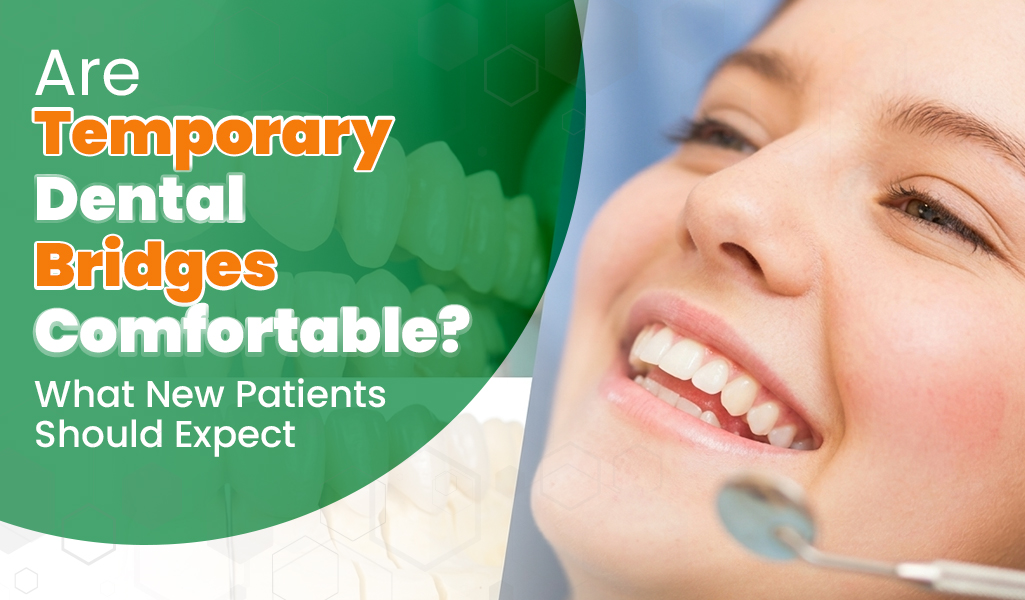
A temporary dental bridge is an important step in restoring your smile after tooth loss. It protects prepared teeth, maintains proper spacing, and allows you to eat and speak more comfortably while your permanent bridge is being fabricated. Although temporary bridges are designed to function well for a short period, they are not as strong or durable as permanent restorations.
Because of this, patients may experience minor issues while wearing a temporary dental bridge. Most of these problems are manageable with proper care, while others require prompt attention from a dentist. Understanding the most common problems and knowing how to respond can help you avoid complications and ensure a smooth transition to your permanent bridge.
What Is a Temporary Dental Bridge?
A temporary dental bridge is a short-term restoration placed after the supporting teeth have been prepared for a permanent bridge. It protects the treated teeth and restores the appearance of your smile until the final restoration is ready.
A temporary bridge helps:
- Protect exposed teeth
- Maintain chewing function
- Prevent neighboring teeth from shifting
- Support normal speech
- Improve smile appearance
Although it is made to withstand normal daily use, it should still be handled with care.
Problem 1: The Bridge Feels Loose
One of the most common concerns patients experience is a temporary bridge that feels loose.
This can happen because:
- Sticky foods pull on the bridge.
- Temporary cement wears down.
- Excessive chewing pressure loosens the restoration.
- The bridge is accidentally disturbed while flossing.
How to Fix It
If your bridge feels loose:
- Avoid chewing on that side of your mouth.
- Keep the bridge in place if possible.
- Contact your dentist promptly.
Do not attempt to permanently glue the bridge yourself, as household adhesives can damage both the bridge and your teeth.
Problem 2: Mild Tooth Sensitivity
It is normal to experience temporary sensitivity after the bridge is placed.
You may notice sensitivity to:
- Hot beverages
- Cold foods
- Sweet foods
- Air exposure
This usually occurs because the prepared teeth are adjusting to the temporary restoration.
How to Fix It
Sensitivity often improves over time.
To minimize discomfort:
- Use toothpaste designed for sensitive teeth.
- Avoid extremely hot or cold foods for a few days.
- Brush gently around the bridge.
If sensitivity becomes severe or continues to worsen, contact your dentist.
Problem 3: Difficulty Chewing
A temporary bridge may initially feel different from your natural teeth.
Some patients experience:
- Pressure while chewing
- Mild discomfort
- Difficulty biting certain foods
This often improves as your mouth adjusts.
How to Fix It
Choose softer foods during the adjustment period, including:
- Yogurt
- Soup
- Scrambled eggs
- Rice
- Pasta
- Cooked vegetables
Gradually return to your normal diet as recommended by your dentist.
Problem 4: Gum Irritation
The gums around a temporary bridge may feel slightly irritated during the first few days.
Possible causes include:
- Food trapped around the bridge
- Plaque buildup
- Normal adjustment after placement
How to Fix It
Maintain good oral hygiene by:
- Brushing gently twice daily
- Flossing carefully around the bridge
- Rinsing with warm salt water if recommended
Healthy gums are essential for the proper fit of your permanent bridge.
Problem 5: Food Getting Stuck
Food particles can sometimes become trapped underneath or around the temporary bridge.
This is fairly common because temporary restorations may not fit as precisely as permanent ones.
How to Fix It
Clean around the bridge after meals using:
- Dental floss
- Floss threaders
- Interdental brushes
- Water rinses
Removing food particles helps reduce plaque buildup and gum irritation.
Problem 6: Temporary Bridge Falls Out
Occasionally, a temporary dental bridge may come completely off.
This can happen because of:
- Sticky foods
- Hard chewing
- Weak temporary cement
- Accidental trauma
How to Fix It
If your bridge comes out:
- Keep it in a clean container.
- Avoid wearing it without professional guidance.
- Contact your dentist as soon as possible.
Your dentist can determine whether the bridge can be recemented or needs replacement.
Problem 7: Bite Feels Uneven
Some patients notice that their bite feels different after receiving a temporary bridge.
If the bridge is slightly high, it may place extra pressure on certain teeth.
How to Fix It
Avoid trying to adjust the bridge yourself.
Your dentist can make small adjustments to improve comfort and ensure proper bite alignment.
Problem 8: Minor Speech Changes
Because the bridge temporarily changes the shape of your mouth, some patients notice slight speech differences.
This is especially common during the first few days.
How to Fix It
Practice speaking and reading aloud.
Most people naturally adapt as the tongue becomes accustomed to the bridge.
How to Prevent Temporary Bridge Problems
Many common issues can be avoided through proper daily care.
Helpful habits include:
- Brush twice daily using a soft toothbrush.
- Floss carefully without pulling upward on the bridge.
- Avoid sticky and hard foods.
- Chew on the opposite side if recommended.
- Attend all scheduled dental appointments.
Following these simple steps helps keep the temporary bridge secure until your permanent restoration is placed.
When Should You Call Your Dentist?
Although many minor adjustments are normal, contact your dentist immediately if you experience:
- Severe pain
- Persistent swelling
- A loose or missing bridge
- Difficulty chewing that does not improve
- Signs of infection
- A bridge that repeatedly comes off
Prompt treatment helps prevent additional complications and keeps your treatment on schedule.
Benefits of Proper Temporary Bridge Care
Taking care of your temporary bridge offers several advantages.
It helps:
- Protect prepared teeth
- Maintain healthy gums
- Improve comfort
- Reduce unexpected dental visits
- Support a better fit for the permanent bridge
- Preserve normal chewing and speaking
Small daily habits can make a significant difference throughout the treatment process.
Professional Care Makes a Difference
Temporary bridges are an essential part of successful restorative treatment, and proper guidance helps patients avoid unnecessary complications. At Dublin Metro Dental, patients receive detailed instructions on caring for a temporary dental bridge, along with ongoing support throughout the treatment process. Whether addressing minor discomfort, adjusting the bridge, or preparing for the final restoration, the dental team is committed to providing comfortable, personalized care that promotes long-term oral health.
Final Thoughts
A temporary dental bridge plays a valuable role in protecting your teeth and maintaining your smile while your permanent restoration is being created. Although minor issues such as sensitivity, looseness, or food trapping can occur, most problems are easy to manage with proper care and timely dental attention.
By maintaining good oral hygiene, avoiding foods that could damage the bridge, and following your dentist’s recommendations, you can enjoy a comfortable experience and help ensure the success of your permanent dental bridge. If any concerns arise, contacting your dentist promptly is the best way to keep your treatment progressing smoothly.


 winbuzz bet