David J
 Introduction
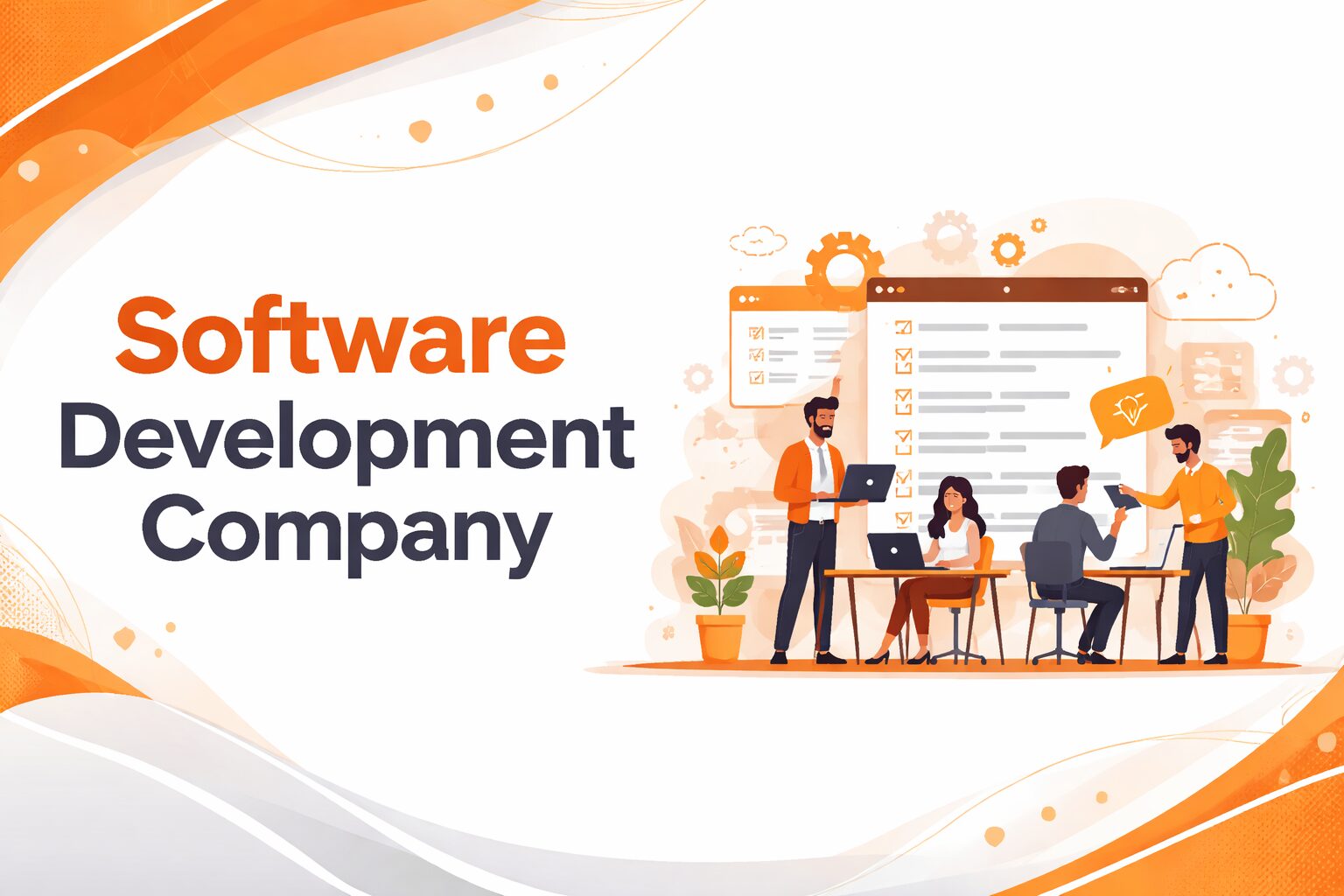
Every business has unique goals, workflows, and customer expectations, yet many organizations still rely on generic software that cannot fully support their operations. As companies embrace digital transformation, the need for tailored technology solutions continues to grow. This is why Custom Software Development has become a preferred choice for businesses looking to improve efficiency, strengthen security, and gain a competitive edge.
Unlike off-the-shelf applications, custom software is designed specifically for an organization’s requirements, making it easier to automate processes, integrate existing systems, and scale as the business grows. Whether you’re a startup building your first digital product or an enterprise modernizing legacy systems, understanding the software development lifecycle, evaluating software development cost, and staying informed about evolving web app trends are essential for making the right technology investment.
What Is Custom Software Development?
Custom Software Development refers to the process of designing, building, testing, deploying, and maintaining software applications created exclusively for a specific business or organization. Rather than using standard software built for mass-market users, companies invest in solutions tailored to their unique workflows, operational challenges, and long-term goals.
Custom software can include web applications, enterprise management systems, customer portals, inventory management solutions, CRM platforms, ERP software, SaaS products, AI-powered tools, and mobile applications. Because businesses own the software, they have complete control over its functionality, security, and future enhancements.
Key Benefits of Custom Software Development
One of the primary advantages of Custom Software Development is flexibility. Businesses receive software designed around their existing processes instead of changing operations to fit the limitations of commercial applications.
Custom software also improves productivity by automating repetitive tasks, reducing manual errors, and streamlining communication between departments. Employees spend less time performing administrative work and more time focusing on strategic business activities.
Scalability is another major benefit. As organizations expand, custom software can support additional users, larger data volumes, and new business requirements without requiring complete system replacement.
Businesses also enjoy stronger security since custom-built applications include security measures specifically designed for their operational environment.
Understanding the Software Development Process
Professional software development follows a structured process that ensures successful project delivery.
Business Analysis
Every project begins by understanding business goals, operational challenges, user expectations, and technical requirements. This stage establishes the project’s scope and priorities.
Planning and System Design
After gathering requirements, developers create technical architecture, user interface designs, database structures, and workflow diagrams. Proper planning reduces development risks while improving long-term scalability.
Development
Engineers build the application using modern programming frameworks and agile methodologies. Development is completed in iterative stages, allowing continuous feedback and faster improvements.
Quality Assurance Testing
Comprehensive testing verifies functionality, performance, usability, compatibility, and security before the software is released.
Deployment
After successful testing, the application is deployed into the production environment where users can begin utilizing the software.
Maintenance
Following deployment, continuous updates, security improvements, performance optimization, and feature enhancements keep the software reliable and aligned with business growth.
Factors That Influence Software Development Cost
One of the most important considerations for businesses is software development cost. Since every application is unique, development expenses depend on several factors.
Project complexity plays a major role. Applications with advanced workflows, artificial intelligence, cloud infrastructure, or extensive integrations require more development time than simpler systems.
Technology stack, user interface design, testing requirements, security implementation, third-party integrations, deployment environments, and post-launch maintenance also affect software development cost.
Although custom software often requires a larger upfront investment, businesses typically achieve greater long-term value by eliminating licensing fees, improving efficiency, and reducing operational costs.
Best Practices for Successful Custom Software Development
Successful Custom Software Development projects begin with clearly defined business objectives. Organizations should establish measurable goals before writing the first line of code.
Stakeholders should remain actively involved throughout development to ensure changing business needs are addressed promptly.
Agile development methodologies encourage continuous collaboration, faster releases, and improved software quality.
Security should be integrated throughout every stage of development rather than added after deployment. Regular testing, vulnerability assessments, and performance optimization help maintain reliable applications.
Planning for future scalability ensures businesses can expand without major software redesigns.
Latest Web App Trends
Modern web app trends continue reshaping how businesses develop digital solutions.
Artificial Intelligence is becoming increasingly common for customer service automation, intelligent search, predictive analytics, and workflow optimization.
Cloud-native applications provide greater flexibility while reducing infrastructure management costs.
Progressive Web Apps combine the convenience of websites with the performance of mobile applications, improving accessibility across devices.
API-first development simplifies integration between business systems, enabling organizations to create connected digital ecosystems.
Enhanced cybersecurity practices, including multi-factor authentication and zero-trust architecture, are becoming standard for protecting sensitive business information.
Businesses that adopt these web app trends position themselves for continued innovation and improved customer experiences.
Choosing the Right Software Development Partner
Selecting the right software development company significantly influences project success. Businesses should evaluate technical expertise, industry experience, communication practices, project management methodology, security standards, and ongoing support capabilities.
A reliable development partner focuses on understanding business goals before recommending technology solutions. They provide transparent communication, realistic timelines, and scalable architectures designed for long-term growth.
Strong collaboration between the client and development team ensures better project outcomes while minimizing implementation risks.
Common Challenges and How to Overcome Them
Software projects sometimes face changing business requirements, budget constraints, communication gaps, and technical complexity.
Organizations can overcome these challenges through detailed planning, regular stakeholder meetings, agile development practices, continuous testing, and realistic project timelines.
Maintaining clear communication throughout development helps identify issues early, reducing delays and ensuring successful project delivery.
Conclusion
Custom Software Development gives businesses the flexibility, scalability, and innovation required to compete in today’s digital marketplace. Unlike generic software, custom-built applications align perfectly with organizational objectives while supporting long-term growth.
Although software development cost varies depending on project scope and technical complexity, the long-term return on investment often exceeds the initial expense. By following proven software development practices and embracing emerging web app trends, businesses can build secure, efficient, and future-ready digital solutions.
Organizations that invest in Custom Software Development today create a strong technology foundation that supports operational excellence, customer satisfaction, and sustainable business growth for years to come.


 Eknath Girhepunje
 Work DesQ