Jack Warner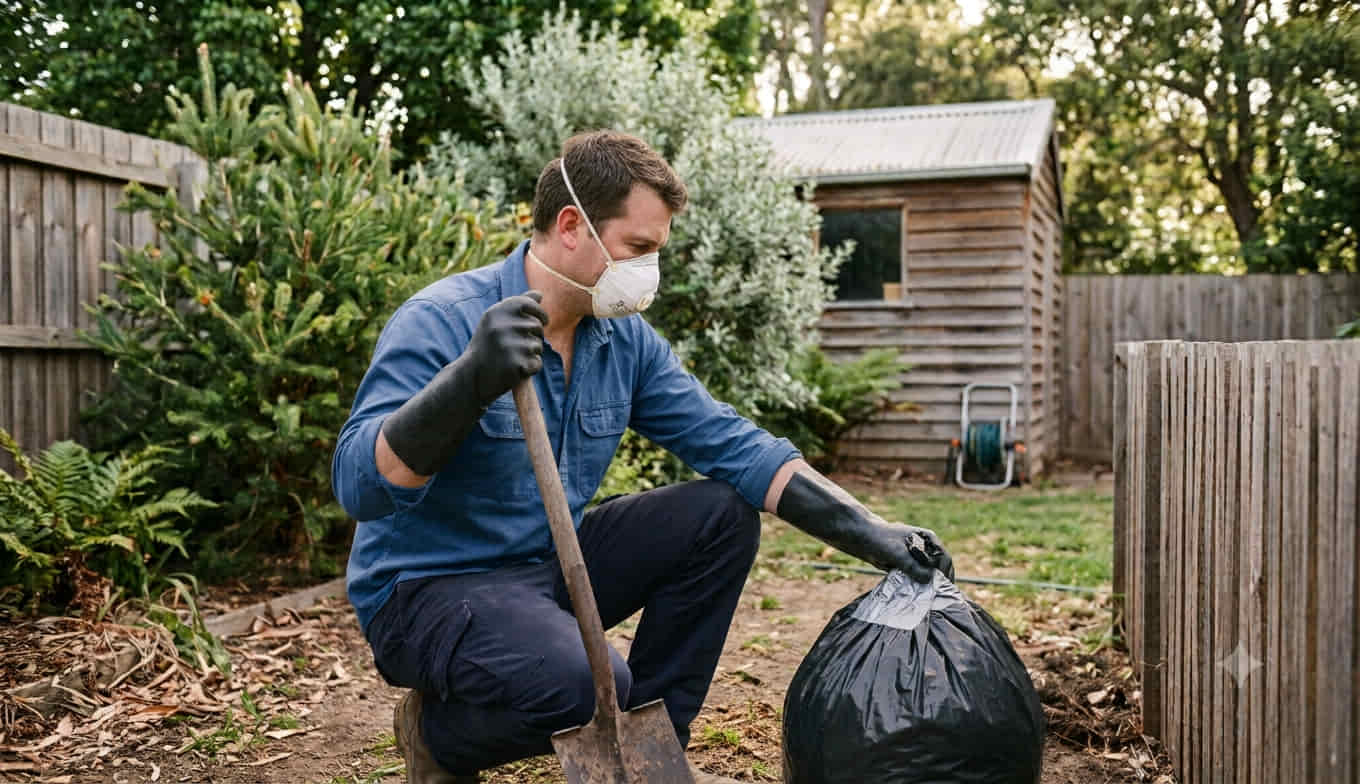
Stepping outside to find a dead possum lying in the backyard is an unpleasant surprise that catches most homeowners off guard. Whether it’s tucked under a shrub, lying near the fence line, or stretched out on the lawn, your first instinct is probably to get rid of it as quickly as possible. But before reaching for the nearest bin bag, it pays to slow down and approach the situation correctly. Native wildlife carcasses come with legal and health considerations that aren’t always obvious, and rushing the job can create more problems than it solves. If you’re searching for guidance on possum removal Burnley residents often face this exact scenario, particularly in areas with established gardens and mature trees that attract possums looking for shelter.
This guide covers everything you need to know about safely dealing with a dead possum in your backyard, from the precautions to take before touching anything, to when it’s worth calling in professional help instead of handling it solo.
Understand What You’re Dealing With First
Possums are protected native animals under Victorian wildlife legislation, and this protection extends beyond their living status. Even once deceased, there are rules around how their bodies should be handled and disposed of, and ignoring this can occasionally land homeowners in hot water with local councils. Before doing anything else, take a moment to assess the situation. Is the possum freshly deceased, or has it clearly been there for a day or more? Is it in an open, accessible part of the yard, or has it ended up somewhere awkward like under decking or wedged in garden machinery?
These details matter because they determine how risky the removal process will be. A possum that died overnight presents far fewer health hazards than one that’s been decomposing in Melbourne’s warmer weather for several days. Heat and humidity accelerate bacterial growth and attract blowflies remarkably quickly, so the longer a carcass sits, the more caution is required when it’s time to remove it.
The Protective Gear You Actually Need
Skin contact with a dead possum should always be avoided, regardless of how harmless it might look. Carcasses can harbour parasites such as fleas and mites, along with bacteria including salmonella and leptospirosis, both of which can enter the body through small cuts, scratches, or mucous membranes. The basics for safe handling include thick gloves, ideally rubber or heavy-duty gardening gloves with disposable gloves underneath, plus a properly fitted face mask, especially if there’s any odour present. Long sleeves, long pants, and closed-toe shoes round out the essential gear, since bare skin anywhere near the carcass increases your risk unnecessarily.
It’s also worth keeping pets and children well away from the area until the situation has been fully resolved. Dogs in particular are notorious for investigating dead animals, and this can expose them to the same bacterial and parasitic risks that pose a danger to humans.
Step-by-Step Removal Process
Once you’re properly geared up, the actual removal process is straightforward if approached methodically. Start by using a shovel, dustpan, or similar tool to lift the possum rather than handling it directly with gloved hands alone, since this adds an extra layer of separation between you and the carcass. Place the body into a sturdy, thick plastic bag, double-bagging if the first layer feels at all flimsy, and tie it off securely to prevent leakage or odour escaping.
Once bagged, resist the urge to simply toss it in the general waste bin without checking first. Local councils across Melbourne often have specific guidelines for disposing of native wildlife remains, and some offer dedicated collection services given the protected status of possums. A quick call to your council or a check of their website will clarify whether you can dispose of it yourself or whether it needs to be reported or collected separately.
After the possum has been removed, disinfect the area thoroughly. Use a household disinfectant or a diluted bleach solution on any surfaces the carcass touched, including soil if possible, since bacteria can linger in the immediate area even after the body is gone. Finish by removing your gloves carefully, washing your hands with soap and hot water for a full twenty seconds, and laundering any clothing worn during the process separately from other items.
When the Situation Calls for Professional Help
Not every dead possum scenario is a simple backyard job. If the carcass is in a hard-to-reach spot, such as wedged under a deck, inside a shed wall cavity, or tangled in dense shrubbery, the removal process becomes considerably trickier and potentially riskier. Confined or awkward spaces increase the chance of injury, whether from straining to reach the animal or from unseen hazards like sharp garden tools or unstable structures nearby.
Decomposition is another factor that changes the calculus. A possum that has been dead for several days often comes with maggots, strong odours, and bodily fluids that have soaked into the surrounding soil or timber. At this stage, the job moves beyond simple removal and into proper biohazard cleanup territory, which is genuinely best left to professionals who have the right equipment and experience to manage it safely and thoroughly.
This is particularly relevant for anyone dealing with possum removal Clifton Hill properties, where older homes with established gardens, timber fencing, and dense vegetation can create exactly the kind of awkward, hard-to-access spots where possums end up trapped or deceased. Professional wildlife removalists carry appropriate protective equipment, understand correct disposal protocols, and can also inspect your property for entry points or shelter spots that might be attracting possums in the first place, helping prevent a repeat situation.
Preventing Future Problems
Once the immediate issue is dealt with, it’s worth thinking about why a possum ended up in your yard in the first place, particularly if this isn’t the first time. Overgrown trees touching the roofline, gaps under decking, and accessible shed spaces all make appealing shelter spots for possums. Trimming back branches that overhang the house, sealing gaps under structures, and securing compost bins or food sources can all reduce the likelihood of possums setting up camp on your property going forward.
Final Thoughts
Discovering a dead possum in the backyard isn’t a pleasant experience, but it’s a manageable one when approached with the right precautions. Open, accessible locations are generally safe to handle yourself with proper gloves, tools, and hygiene practices, while anything involving confined spaces or advanced decomposition is better handled by professionals. Taking the time to do it properly, rather than rushing the job, protects your health, your pets, and ensures the problem doesn’t resurface down the track.


 jodidi8756 jodidi8756
 Allen Stewart