Ashvani Prasad
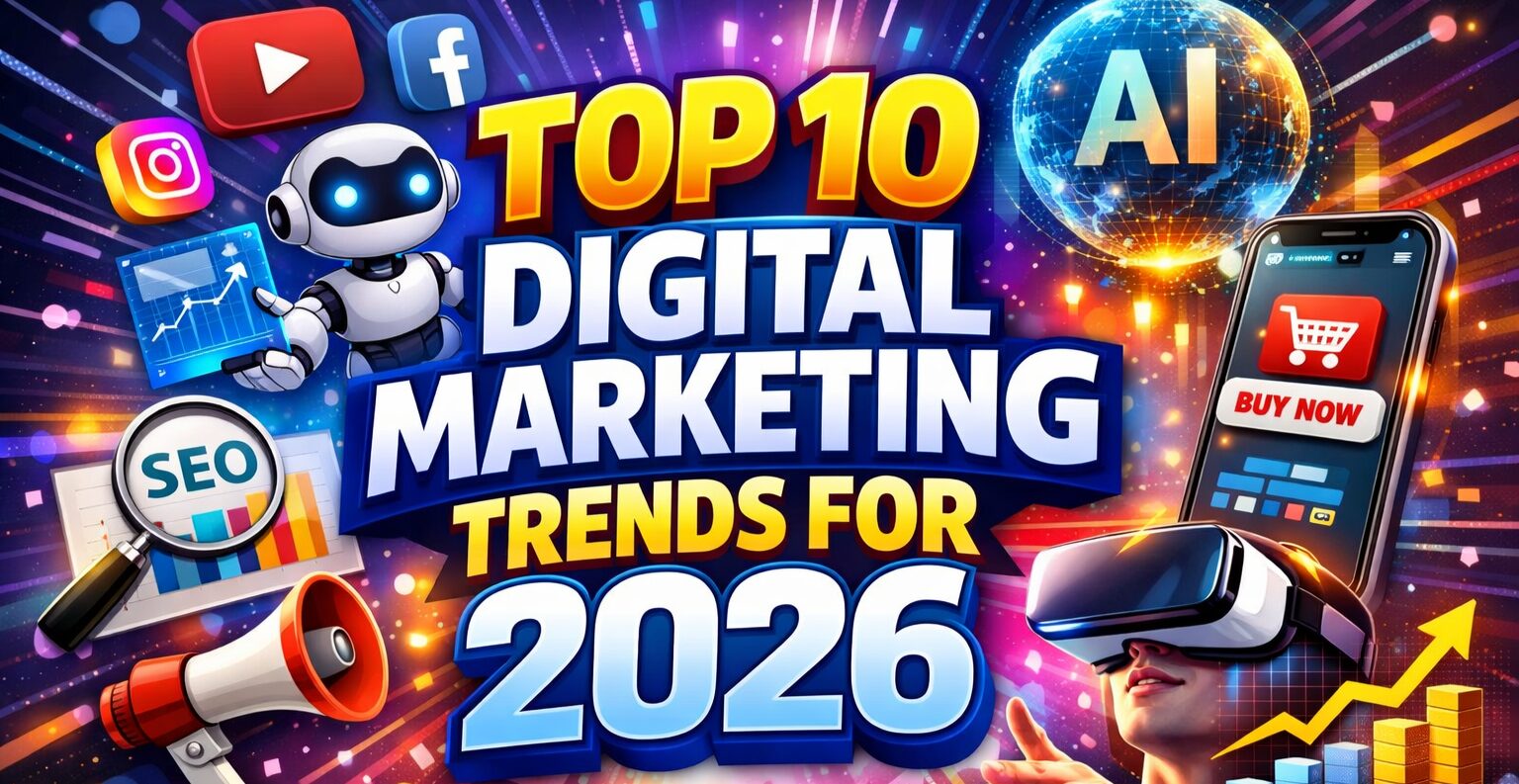

If you think digital marketing is just about posting on Instagram or running ads, you’re already behind.
Digital marketing today is a high-leverage skill. Businesses depend on it for survival. Whether it’s a small local shop or a global brand, everyone needs visibility, leads, and conversions. That’s where digital marketing comes in—and why it’s one of the most practical career paths right now.
But here’s the uncomfortable truth: most people learning digital marketing are doing it wrong. They consume random YouTube videos, try a few tools, and expect results. That approach fails because digital marketing is not about tools—it’s about strategy, data, and execution.
Let’s break this down properly.
What is Digital Marketing (Really)?
Digital marketing is the process of promoting products or services using online channels like search engines, social media, email, and websites.
Sounds simple. It’s not.
At its core, digital marketing is about three things:
-
Getting attention
-
Converting that attention into action
-
Optimizing results using data
If you can’t do all three, you’re not a digital marketer—you’re just experimenting.
Why Digital Marketing is Growing Fast
Every business is moving online. That’s obvious.
But here’s the deeper shift:
-
People trust online reviews more than ads
-
Search engines control buying decisions
-
Social media shapes perception
-
Data drives every decision
Companies are not hiring “marketers.” They are hiring people who can generate revenue.
That’s why digital marketing skills like SEO, paid ads, analytics, and funnel building are in high demand.
Core Areas of Digital Marketing
If you’re serious, you need to understand the ecosystem. Not just one part.
1. Search Engine Optimization (SEO)
SEO is about ranking your website on Google.
If you understand SEO properly, you can generate free traffic consistently. But most beginners fail because:
-
They chase keywords without intent
-
They ignore technical SEO
-
They don’t build authority
SEO is slow but powerful.
2. Social Media Marketing (SMM)
This is not just posting content.
Real social media marketing includes:
-
Content strategy
-
Audience targeting
-
Engagement psychology
-
Platform algorithms
If your content doesn’t convert, it’s just noise.
3. Pay-Per-Click Advertising (PPC)
This is where money meets speed.
Platforms like Google Ads and Meta Ads allow you to:
-
Target specific audiences
-
Generate leads instantly
-
Scale campaigns
But here’s the risk: bad strategy = wasted money.
4. Content Marketing
Content builds trust.
Blogs, videos, and reels are not just for views—they are for:
-
Educating your audience
-
Building authority
-
Driving conversions
Most people create content without a goal. That’s why they fail.
5. Email Marketing
Still one of the highest ROI channels.
Why?
Because you own the audience.
Social media platforms can change algorithms anytime. Email gives you direct access.
6. Data Analytics
This is where most beginners completely fail.
If you’re not tracking:
-
Clicks
-
Conversions
-
Cost per lead
-
ROI
Then you’re guessing, not marketing.
Biggest Mistakes Beginners Make
Let’s stress-test your assumptions.
Mistake 1: Learning Without Practice
Watching tutorials ≠ skill.
If you’re not:
-
Running campaigns
-
Building websites
-
Testing strategies
You’re wasting time.
Mistake 2: Focusing Only on Tools
Tools change.
Strategy doesn’t.
If you only learn tools, you’ll become obsolete fast.
Mistake 3: Expecting Fast Money
Digital marketing can pay well—but not instantly.
You need:
-
Skill
-
Portfolio
-
Results
Without that, no one will pay you.
Mistake 4: No Specialization
Trying to learn everything at once leads to confusion.
You need:
-
A strong base
-
Then a specialization
Career Opportunities in Digital Marketing
If you do it right, you have multiple paths:
-
Freelancer
-
Agency owner
-
In-house marketer
-
Affiliate marketer
-
Content creator
Each path has tradeoffs:
| Path | Risk | Reward |
|---|---|---|
| Freelancer | Income instability | High flexibility |
| Job | Stable | Limited growth |
| Agency | High pressure | High income potential |
Pick based on your risk tolerance.
Why Training Matters (And Self-Learning Isn’t Enough)
Let’s be direct.
Most people fail because:
-
They don’t know what to learn first
-
They lack structure
-
They don’t get real-world exposure
That’s where structured training makes a difference.
Why Choose Innozant Institute
If you’re serious about building a real career—not just learning basics—then choosing the right institute matters.
Innozant Institute positions itself as a hybrid training institute focused on practical skills, not just theory.
Here’s what actually matters when evaluating them:
1. Practical Learning Approach
Instead of just lectures, the focus is on:
-
Live projects
-
Real campaigns
-
Hands-on practice
This is critical. Without execution, you won’t build confidence.
2. Industry-Relevant Curriculum
A good institute should teach:
-
SEO strategies that work today
-
Paid ads with real budgets
-
Analytics tools used in companies
If the curriculum is outdated, your skills will be useless.
3. Multi-Skill Training
Innozant doesn’t limit you to one domain.
They also offer:
-
Data Analytics
-
Data Science
-
Web Development
This matters because digital marketing is increasingly data-driven.
4. Career Support
Let’s be realistic.
Learning is only half the problem. Getting a job or clients is the real challenge.
You need:
-
Portfolio
-
Interview preparation
-
Guidance
Institutes that ignore this are not worth your time.
Hard Questions You Should Ask Before Joining Any Institute
Don’t blindly trust marketing claims. Ask:
-
Will I work on real projects?
-
How many campaigns will I run myself?
-
Will I build a portfolio?
-
Who are the trainers—do they have real experience?
-
What happens after the course ends?
If you don’t get clear answers, walk away.
How to Actually Succeed in Digital Marketing
Here’s the minimum effective plan:
Step 1: Learn Fundamentals
Understand:
-
Marketing psychology
-
Customer behavior
-
Funnels
Step 2: Pick One Skill First
Start with:
-
SEO or Ads
Don’t try everything at once.
Step 3: Build Projects
Create:
-
A blog
-
A campaign
-
A landing page
Results matter more than certificates.
Step 4: Track Everything
Use tools like:
-
Google Analytics
-
Search Console
Data is your advantage.
Step 5: Build a Portfolio
Show:
-
Case studies
-
Results
-
Learnings
Without proof, no one will hire you.
Final Reality Check
Digital marketing is not “easy money.”
It’s:
-
Competitive
-
Skill-based
-
Results-driven
But if you commit properly, it can become one of the most flexible and high-growth careers.
Conclusion
Digital marketing is no longer optional—it’s essential.
The opportunity is massive, but so is the competition. If you approach it casually, you’ll stay average. If you treat it like a real skill and invest in structured learning and execution, you can build a strong career.
Institutes like Innozant Institute can accelerate your journey—but only if you actually do the work.


 jagdishe jaggu
 Peter jr.