enfield abudhabi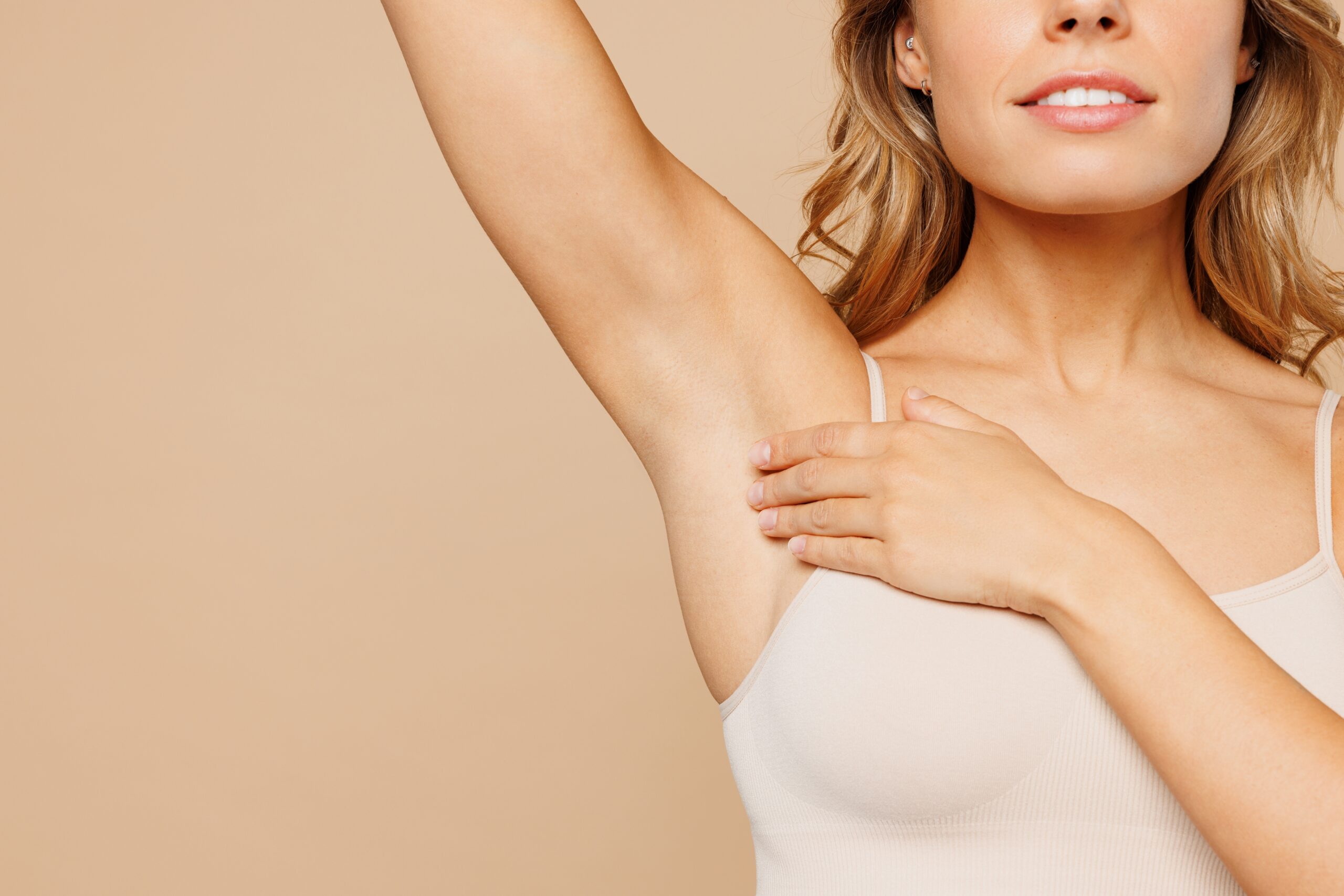
Hyperhidrosis, a condition characterized by excessive sweating that exceeds what is necessary for thermoregulation, affects many individuals’ quality of life. For those seeking management options, exploring Hyperhidrosis Treatment in Abu Dhabi is a common step toward regaining confidence and comfort. Understanding the recovery landscape associated with these interventions is essential for anyone considering a path to relief.
-
Hyperhidrosis is a medical condition involving excessive sweating, often affecting the underarms, palms, soles, and face.
-
Management strategies range from non-invasive topical applications to surgical interventions.
-
Recovery expectations vary significantly depending on the specific modality chosen.
Categorizing Hyperhidrosis Treatment Options
To understand recovery, one must first recognize that there is no “one-size-fits-all” approach to excessive sweating. Treatments are generally categorized based on their invasiveness. Non-invasive methods, such as specialized topical antiperspirants or oral medications, typically require no downtime, as they are part of a daily routine. In contrast, procedural and surgical options are designed to address the root cause of the sweat production more directly and may necessitate a brief period of adjustment.
-
Non-invasive treatments (topicals, oral medications) generally require zero recovery time.
-
Procedural options (injections, microwave therapy) are usually outpatient, allowing for a swift return to daily activities.
-
Surgical interventions often involve more complex post-procedure care compared to other methods.
Recovery Expectations for Non-Invasive and Minimally Invasive Procedures
For many, initial management starts with non-invasive or minimally invasive techniques. Topical treatments, such as aluminum chloride solutions or specialized wipes, involve no recovery. Similarly, iontophoresis—a method often used for the hands and feet—requires consistency in sessions rather than physical downtime. Botulinum toxin injections, frequently used to temporarily block the nerves that stimulate sweat glands, are also highly manageable; most individuals resume their normal daily schedules immediately following the session.
-
Topical antiperspirants and oral medications are integrated into daily life without interfering with regular activities.
-
Iontophoresis sessions focus on a regimen of treatments, with no post-session physical recovery needed.
-
Botulinum toxin injections are quick, outpatient procedures that typically do not require time away from work or leisure.
Downtime Considerations for Advanced Procedural Therapies
Advanced procedures, such as microwave-based thermolysis for axillary sweating, are often chosen for their long-term efficacy. While these are considered in-office procedures, they do involve a minor, short-lived adjustment period. Patients might experience mild sensations, such as localized swelling or tenderness, which are generally well-tolerated. Most people find they can return to their usual routines very quickly, often within a day or two, as the body naturally processes the effect of the procedure.
-
Microwave therapy is a targeted, in-office procedure designed for efficiency and minimal disruption.
-
Minor post-procedure symptoms like swelling are typically brief and short-lived.
-
The transition back to normal physical activity is generally very rapid.
Surgical Interventions and Post-Procedure Care
Surgical options are typically reserved for cases where other treatments have not provided the desired level of relief. Because these are more invasive, the recovery process is naturally more substantial than that of non-surgical options. This may involve wearing specific dressings, following activity restrictions for a few days, or managing surgical sites. While these procedures provide significant, lasting outcomes, they require a commitment to a structured post-operative care plan.
-
Surgical interventions involve a more significant, albeit still manageable, recovery window.
-
Post-operative care may include specific wound management and temporary activity modifications.
-
Patients should plan for a period of rest to facilitate proper healing after surgical procedures.
Frequently Asked Questions
Will I need to take time off work after my hyperhidrosis treatment?
For most non-invasive and minimally invasive treatments, such as injections or topical regimens, time off from work is typically not required. For more advanced procedures, a day or two of rest might be recommended depending on your personal comfort, but most individuals return to their routines very promptly.
How soon can I exercise after having a procedure for excessive sweating?
The timeline for returning to exercise depends entirely on the specific treatment performed. Non-invasive methods have no restrictions, while procedural or surgical options may require a short break from vigorous activity to ensure the area heals comfortably. Your provider will offer specific guidance based on your chosen path.
Does the recovery process differ based on the area being treated?
Yes, the treatment area can influence the recovery experience. For example, treatments targeting the palms or soles might have different sensory considerations than those targeting the axillae. It is helpful to discuss the nuances of your specific area of concern during your consultation.
Is there a “permanent” treatment that requires no recovery?
While some treatments are designed for long-term or permanent results, “no recovery” is a relative term. Even the most efficient, long-lasting procedures are medical interventions that may require a brief, minor adjustment period. It is best to focus on the balance between the longevity of the results and the short-term requirements of the healing process.


 royal clinic
 umar khan