HiiMSHospital Chandigarh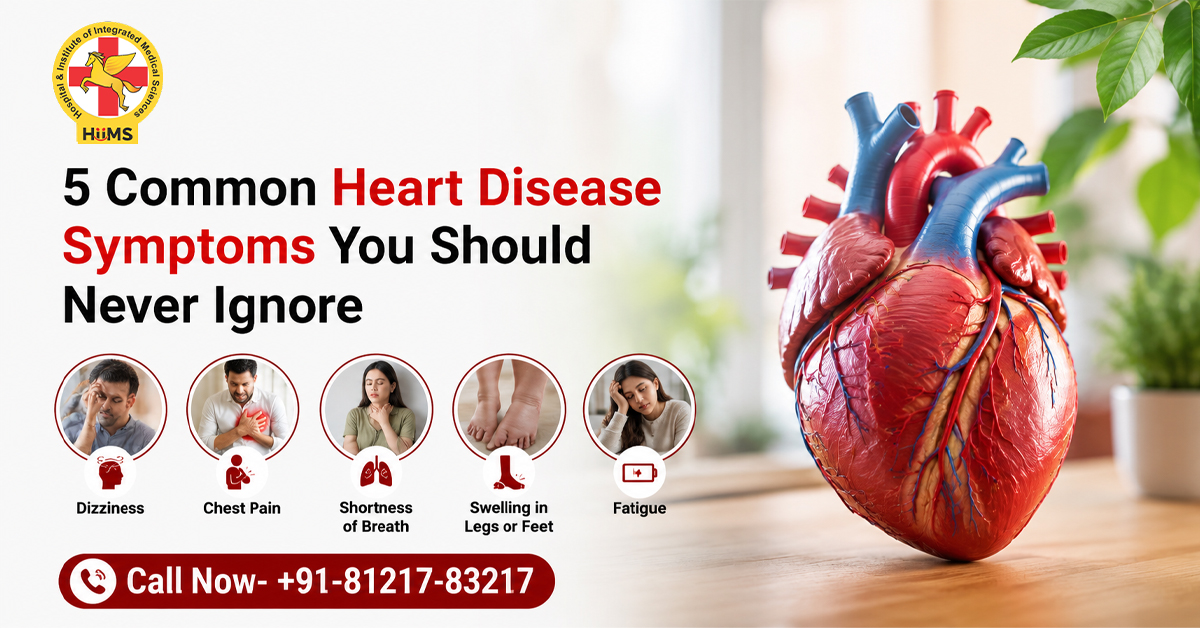
Health concerns rarely appear overnight. In many cases, the body gives subtle hints before a condition becomes serious. Heart-related issues are no exception. The difficulty is that these early signs are often mild and easy to dismiss.
You might feel more tired than usual, notice slight breathlessness during routine tasks, or experience a brief heaviness in the chest. Since these symptoms do not always seem severe, they are often linked to everyday stress or fatigue. However, when they occur repeatedly, they may indicate underlying heart disease symptoms that need attention.
Why These Symptoms Go Unnoticed
One of the main reasons people overlook heart symptoms is because they appear gradually. There is rarely a sudden, dramatic change. Instead, small differences build over time.
Someone may feel low on energy for weeks. Another person may struggle slightly more with physical activity but assume it is due to aging or lack of fitness. Occasional chest discomfort may also be ignored if it does not persist.
But when the same signs keep returning, it is important to understand their cause rather than ignore them.
1. Chest Heaviness or Tightness
Heart discomfort does not always feel like sharp pain. Many people describe it as a tight or heavy feeling in the chest. It may appear during physical activity or even while resting.
In some cases, the sensation can spread to nearby areas such as the arms, neck, or jaw. Repeated episodes should never be taken lightly.
2. Breathlessness During Normal Activities
If everyday tasks such as walking or climbing stairs begin to feel more exhausting, it may signal reduced heart efficiency. This change often happens slowly, making it easy to ignore.
However, consistent breathlessness is a sign that deserves attention.
3. Constant or Unusual Fatigue
Feeling tired occasionally is normal, but ongoing fatigue without a clear cause is different. When energy levels drop noticeably and daily tasks feel harder, it may indicate that the body is not functioning as it should.
4. Changes in Heart Rhythm
A sudden awareness of your heartbeat—whether it feels fast, irregular, or like it is skipping beats—can be concerning. While temporary factors like stress or caffeine may play a role, repeated changes should be evaluated by a professional.
5. Swelling in the Lower Body
Swelling in the feet or ankles is often overlooked because it does not seem directly connected to heart health. However, it can be linked to poor circulation.
If this symptom occurs regularly, it is important to seek medical advice.
The Role of Daily Habits in Heart Health
Maintaining a healthy heart requires consistent effort. Diet, physical activity, sleep, and stress levels all play an important role.
In addition to modern medical care, holistic practices like Ayurveda focus on maintaining balance within the body. Techniques such as yoga, mindful breathing, and structured routines can support overall well-being.
Take Symptoms Seriously
Ignoring repeated warning signs can lead to complications over time. Paying attention to your body and recognizing patterns can help you take timely action.
Consulting a healthcare professional at the right time can make a significant difference in managing heart health effectively.
Conclusion
Heart disease symptoms are often subtle at first, but they should not be ignored. Chest discomfort, breathlessness, fatigue, irregular heartbeat, and swelling may seem minor individually, but together they can signal a deeper issue.
Being aware of these signs and acting early is key to protecting your heart and overall health.
Call to Action
If you notice any unusual or recurring symptoms, don’t ignore them. Read the full blog to gain deeper insights into heart disease symptoms and take the first step toward better heart health. For expert consultation or to book a video appointment, call +918121783217 today.


 Dynamic Life Clinics Dubai
 Acrid Semblance