Jeena Sikho HiiMS Hospital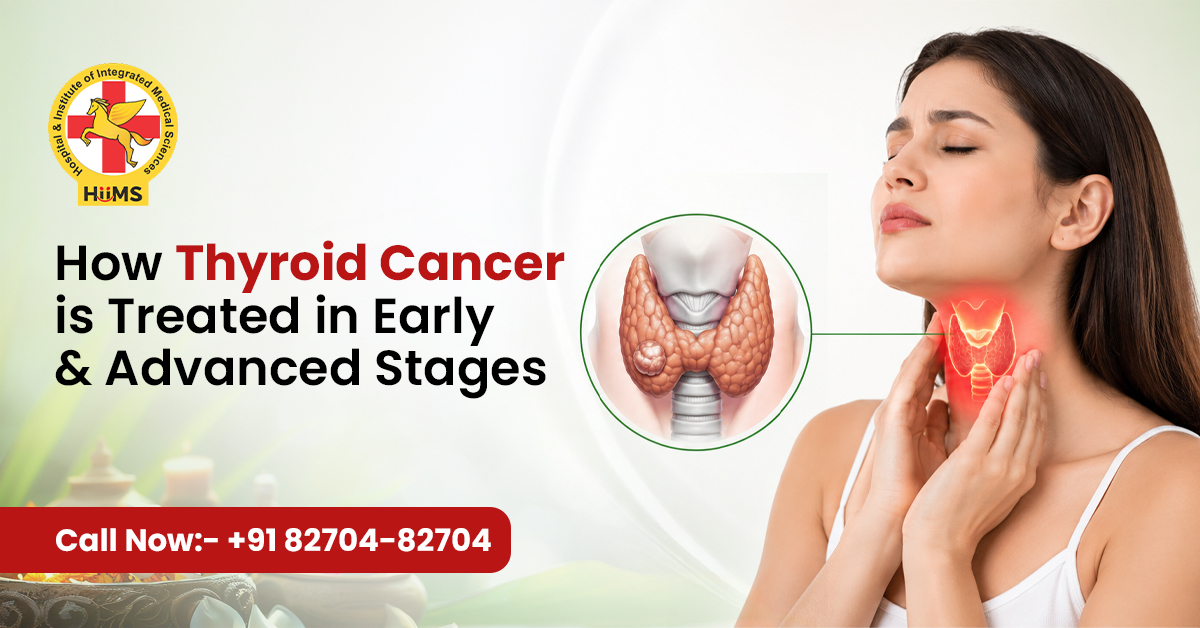
Thyroid cancer is a condition that many people do not recognize in the beginning because its symptoms often appear slowly and seem minor at first. The thyroid gland is a small butterfly-shaped gland located in the neck, but it performs many important functions in the body. It helps regulate metabolism, energy levels, body temperature, and hormone balance.
In many cases, people only become aware of a problem when they notice a lump in the neck or experience slight changes in their voice. Since these symptoms are usually painless during the early stages, they are often ignored. Delayed attention can sometimes make the condition more difficult to manage later.
The good thing is that with proper thyroid cancer treatment and timely diagnosis, both early and advanced stages can often be managed effectively. Understanding the symptoms, diagnosis process, and treatment options can help people seek medical guidance at the right time.
What is Thyroid Cancer?
Thyroid cancer develops when cells inside the thyroid gland begin growing abnormally and uncontrollably. Over time, these abnormal cells may form a lump or thyroid nodule. While not every thyroid nodule is cancerous, proper medical evaluation is important to identify the condition accurately.
There is not always one single cause behind thyroid cancer, but certain factors may increase the risk, including:
- Family history of thyroid disorders
- Exposure to radiation
- Hormonal imbalance
- Iodine imbalance in the diet
Having these risk factors does not guarantee that someone will develop thyroid cancer, but awareness may help people focus on early care and regular medical check-ups.
Common Symptoms of Thyroid Cancer
The symptoms of thyroid cancer can vary from person to person. In the early stages, many signs appear mild and may easily be mistaken for common throat or thyroid-related issues.
Lump or Swelling in the Neck
A painless lump or swelling in the neck is one of the most common symptoms of thyroid cancer.
Voice Changes
Hoarseness or slight changes in the voice that continue for a long time should not be ignored.
Difficulty Swallowing
Some individuals may feel discomfort or pressure while swallowing food or liquids.
Breathing Discomfort
As the condition progresses, some people may experience breathing difficulty or tightness around the throat area.
Constant Fatigue
Feeling tired throughout the day despite proper rest may sometimes be linked to thyroid imbalance.
If these symptoms continue for a long period, it is important to seek medical advice instead of ignoring them.
How Thyroid Cancer is Diagnosed
Doctors usually begin diagnosis with a physical examination of the neck to check for swelling or lumps. If needed, an ultrasound scan may be recommended to get a detailed view of the thyroid gland.
In some situations, a biopsy is advised to confirm whether cancer cells are present. These tests help doctors understand the condition properly and decide the most suitable thyroid cancer treatment plan.
Treatment Options for Thyroid Cancer
The treatment approach depends on the stage of the condition and the overall health of the patient.
Surgery
Surgery is commonly the first treatment option. Doctors may remove part or all of the thyroid gland depending on the severity of the condition.
Hormone Therapy
After thyroid removal, hormone therapy may be necessary because the thyroid gland controls important hormones in the body.
Radioactive Iodine Therapy
This treatment is often used to destroy remaining abnormal thyroid cells after surgery.
Radiation and Targeted Therapy
In advanced stages, doctors may recommend external radiation therapy or targeted therapies to help control cancer growth.
Importance of Lifestyle and Emotional Care
Managing thyroid cancer is not only about medical treatment. Healthy daily habits and emotional support can also help during recovery.
Some supportive lifestyle practices include:
- Eating balanced and light meals
- Maintaining proper sleep routines
- Managing stress levels
- Attending regular follow-up appointments
Emotional well-being is equally important because treatment can sometimes cause anxiety, stress, or emotional exhaustion.
Conclusion
Thyroid cancer may begin with mild symptoms, but early diagnosis and proper treatment can make a significant difference in managing the condition. Paying attention to changes such as neck swelling, voice changes, fatigue, or swallowing difficulty can help people seek medical care before complications increase.
With the right thyroid cancer treatment, regular monitoring, healthy lifestyle habits, and guidance from experienced doctors, many patients can manage the condition more confidently and improve their overall quality of life.


 Ahmad hassan