Asanjo Heating
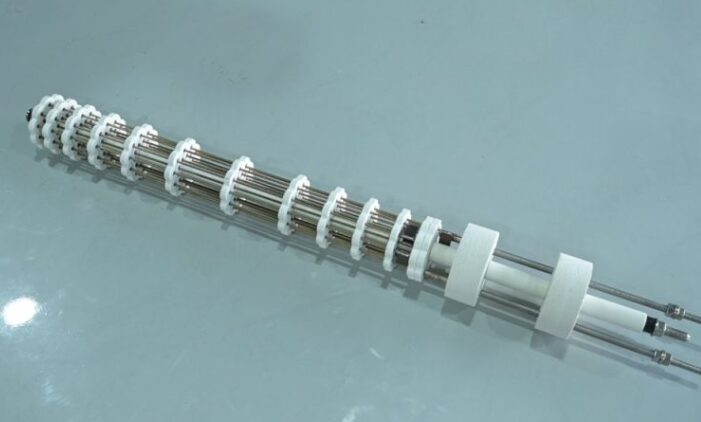
Electric heaters for industrial use constitute an investment that will affect the process efficiency, the consumption of energy, and, consequently, the quality of production. No matter whether you choose to invest in ceramic, glass, or metal heating, the proper equipment guarantees excellent thermal efficiency and long-lasting operation.
Nevertheless, as there are numerous models and different technologies on the market, the selection of the best electric industrial heaters should be preceded by an analysis of the crucial factors.
- Temperature Range and Application Needs
The first element you should consider is the necessary temperature range. Every industry requires different levels of heating; therefore, some projects may require only moderate temperatures, whereas others require an elevated level, such as over 1000°C. Contemporary technologies allow for the use of equipment with flexible parameters; for instance, an electric heating elements manufacturer may provide heat from 50°C to even 1800°C.
Selecting the proper model, according to its application, is essential to achieve maximum results and reduce unnecessary power consumption.
- Heating Efficiency and Energy Consumption
Energy efficiency is vital in determining what kind of heaters to install for industrial heating processes. The most advanced heating systems, like modular heating, combine the heat source with insulating materials, thus minimising any losses due to inefficient operation.
The most common material used for insulating purposes is the ceramic fibre because of its small thermal inertia and good insulating abilities, allowing fast operation and low heat consumption. The efficient electric industrial heaters can help save not only money but the environment as well.
- Design and Configuration Flexibility
Industries demand adaptable solutions. Nowadays, industrial heating modules are available in different designs that include, but are not limited to, flat plates, cylindrical forms, or even special custom-shaped modules for furnaces with complex geometries.
Customised design allows you to choose the most suitable heating module according to your particular needs.
- Installation and Maintenance Requirements
Any downtime in an industry setting may prove to be expensive. Thus, installation and maintenance requirements need to be considered. Modular heating systems are easy to install and replace, hence causing minimal interruption.
Moreover, heaters that incorporate insulation and heating components require less maintenance and will serve as good investments.
- Thermal Uniformity and Process Control
Thermal uniformity is critical when it comes to quality assurance. Inconsistencies in the thermal process will result in products that may be defective because of poor quality and inconsistent features.
State-of-the-art electric heaters have been known to deliver accurate temperature profiles with consistent heat distributions to facilitate effective process control. Some heaters have been designed to overcome problems such as coil distortions experienced in conventional electric heaters.
These requirements are especially important in processes involving the production of semiconductors and glass products.
- Power Density and Heating Speed
Another aspect worth taking into account here concerns the rate at which the necessary temperature is reached. Modules that offer high levels of power density ensure fast heating times and increase the productivity of the process involved.
Electric heating systems have the capacity to offer dense amounts of heat with a high level of energy efficiency and thus may be used for industrial purposes.
- Durability and Lifespan
In terms of durability, heating systems used in an industrial environment must endure extreme conditions over a period of time. The strength of the material used is a direct determinant of the high lifespan of the system.
Thus, industrial heating systems make use of metal resistance heating elements together with ceramic fibre insulation.
- Safety and Compliance Standards
It goes without saying that safety must always come first in industries. This requires that electric heaters be in accordance with the standards set by the industry, including temperature controlling devices, insulation protection, and safe electrical elements.
Electric heating systems designed properly will reduce any risk of accidents, including overheating, malfunctions in electricity, and thermal damage.
- Scalability and Flexibility for Future Growth
In line with the demand for production, it is important that the scalability of the electric heating system comes into play. A modular structure enables easy expansion of the heating systems.
This feature makes it ideal for industries that are expected to grow in the future.
- Cost vs Long-Term Value
The cost factor indeed holds an important weight when making a buying decision. Nevertheless, it should not be viewed alone as the long-term advantages may offset the cost in terms of savings on energy consumption and maintenance.
Investing in quality products, like electric industrial heaters, guarantees that you will benefit from better return on your investment in terms of efficiency and lower operational costs.
Conclusion
Choosing the right electric industrial heaters for your heating needs involves a combination of several factors. Working with a reliable company such as Asanjo Heating will help you to make use of top-of-the-range products tailor-made for efficient operation.


 Ammar Saleem