Alessandra Conti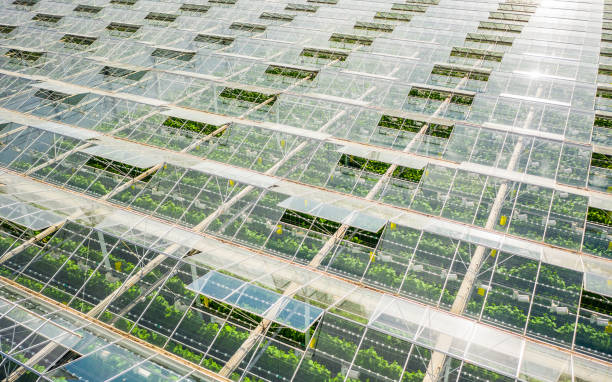
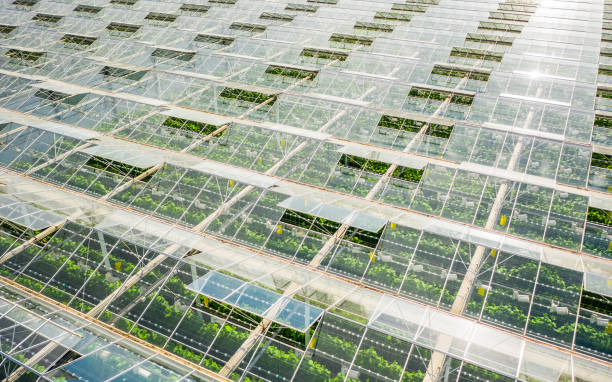
Germany’s greenhouse horticulture sector is gaining momentum as growers, retailers, and food-system stakeholders focus on stable production, resource efficiency, and locally available fresh produce. Greenhouses allow producers to manage temperature, humidity, light, irrigation, and crop protection more effectively than open-field cultivation. This makes protected cultivation increasingly relevant as weather variability, energy costs, and consumer expectations reshape agricultural planning.
According to MarkNtel Advisors, the Germany Greenhouse Horticulture sector was valued at around USD 1.60 billion in 2025 and is projected to grow from USD 1.71 billion in 2026 to USD 2.85 billion by 2032. The CAGR of 8.89% reflects rising demand for fresh fruits and vegetables, advanced greenhouse technologies, and year-round production systems.
Fresh Produce Demand Supports Greenhouse Expansion
Germany’s consumers are placing greater emphasis on freshness, quality, traceability, and reliable availability. Greenhouse production supports these expectations by enabling controlled cultivation of vegetables, fruits, nursery crops, flowers, and ornamentals. The report indicates that fruits and vegetables account for about 56% share in 2026, making them the leading crop type within the sector.
The European Commission supports agriculture and rural development priorities across the EU, influencing production standards, sustainability expectations, and farm investment. For Germany’s greenhouse growers, this policy environment encourages modernization and more efficient production methods.
Controlled Environments Improve Production Reliability
Greenhouse systems help reduce exposure to extreme weather, pests, and seasonal limitations. By managing growing conditions, producers can improve yield consistency, crop quality, and planting schedules. This is especially valuable for vegetables and high-value crops that require stable climate conditions.
The Food and Agriculture Organization highlights protected cultivation as an approach that can improve crop management under changing climate conditions. In Germany, protected systems can help growers respond to rainfall variability, temperature shifts, and shorter outdoor growing windows.
Glass Greenhouses Remain Important
Glass greenhouse structures continue to hold strong relevance in Germany, supported by durability, light transmission, insulation potential, and suitability for advanced climate-control systems. The report highlights that glass accounts for about 47% share by material type in 2026, reflecting its importance in commercial horticulture.
While glass systems can involve higher upfront investment, they are often preferred for long-term production facilities where durability and climate performance matter. Plastic structures also remain relevant, especially where growers prioritize lower capital cost, flexibility, and faster installation.
Technology Is Reshaping Greenhouse Operations
Modern greenhouse horticulture increasingly uses heating systems, cooling systems, LED lighting, automated irrigation, fertigation, sensors, climate-control software, and data analytics. These tools help growers manage crop conditions more precisely while reducing resource waste. Automation also supports labor efficiency, which is important as skilled agricultural labor becomes harder to secure.
The OECD highlights digital agriculture as a pathway for improving decision-making, productivity, and sustainability. In greenhouse operations, digital tools can support irrigation timing, nutrient dosing, pest monitoring, and energy optimization.
Energy Efficiency Is a Critical Priority
Energy use is one of the most important operating concerns in greenhouse horticulture, particularly in colder climates. Heating, lighting, ventilation, and humidity control can influence both cost and emissions. As energy prices fluctuate, growers are considering efficient heating systems, heat recovery, insulation improvements, renewable energy integration, and smart climate management.
The International Energy Agency provides insights on building energy efficiency and technology systems. Although greenhouses differ from conventional buildings, the same broad efficiency principles apply: reducing unnecessary heat loss, improving control systems, and using energy more intelligently.
Regional Clusters and Commercial Growers Lead Development
Germany’s western region holds the largest share, at around 36% in 2026, supported by established horticulture activity, logistics links, and proximity to consumer centers. Commercial growers remain the main adopters because they require consistent production, high-quality output, and scalable operations. These growers are more likely to invest in advanced greenhouse infrastructure, climate systems, and automated equipment.
The German Federal Ministry of Food and Agriculture supports national priorities related to food, agriculture, sustainability, and rural development. Such policy direction is relevant as greenhouse horticulture becomes part of broader discussions around domestic food resilience and efficient resource use.
Outlook
Germany’s greenhouse horticulture sector is expected to remain closely linked with fresh produce demand, sustainable farming, energy efficiency, and controlled-environment technology. Growth will depend on investment capacity, operating costs, skilled labor availability, and the ability to balance productivity with environmental expectations.
Over time, stronger opportunities may emerge in high-efficiency glasshouses, automated irrigation, LED lighting, climate-control software, renewable heating, and integrated pest management. As Germany works to strengthen local production and reduce vulnerability to weather disruptions, greenhouse horticulture is likely to become a more important part of its agricultural future.


 ProConsult Advocates & Legal Consultants
 Executive Driving school