Aileen Abela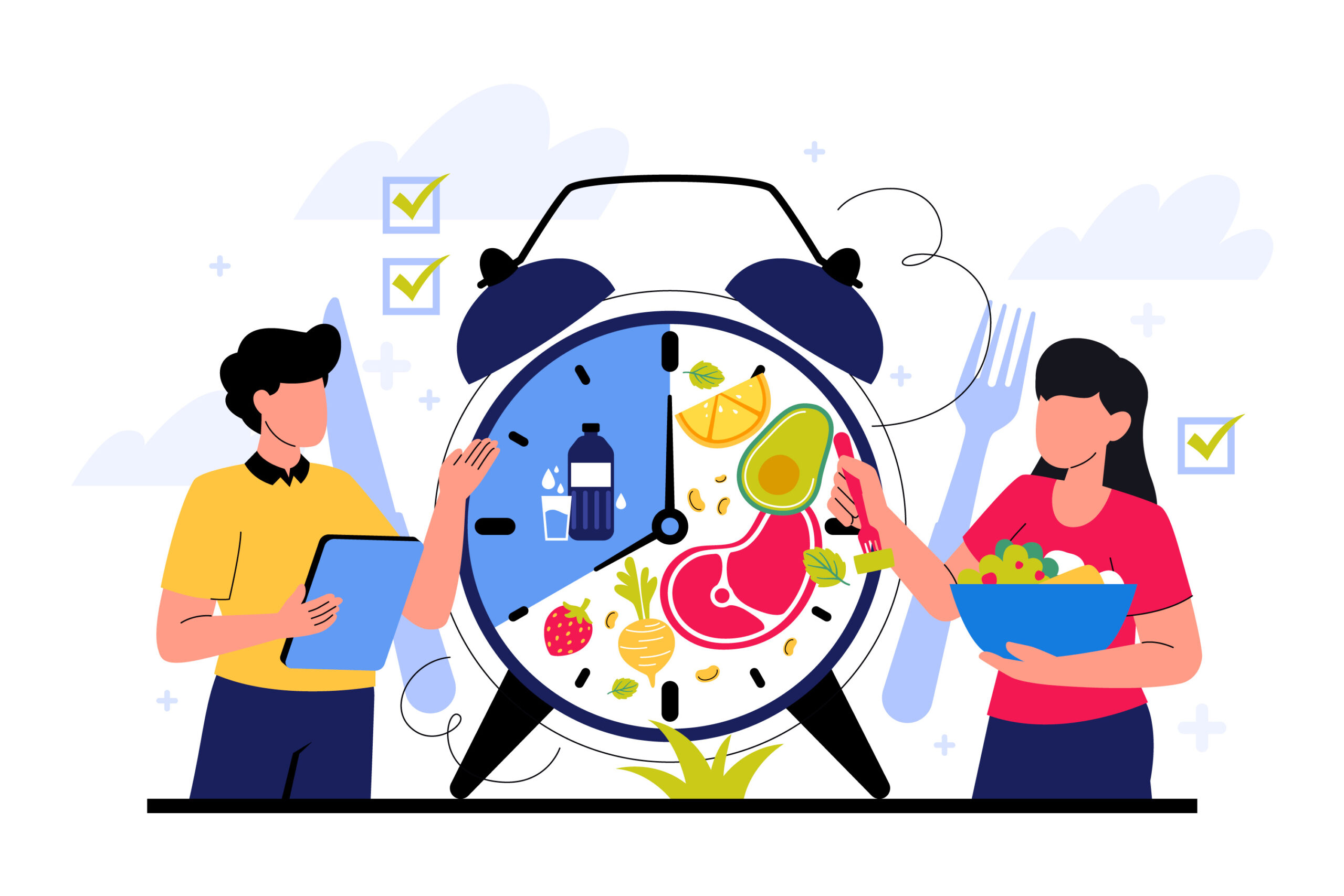
Food is often discussed in terms of what we eat, but when we eat is just as important. Meal timing plays a powerful role in how the body produces energy, recovers from activity, and maintains overall performance throughout the day. Whether you are an athlete, a fitness enthusiast, or simply someone trying to stay healthy, understanding meal timing can help you optimize physical and mental output. In this context, Doctiplus highlights the importance of structured nutrition habits for better health and performance.
The Science Behind Meal Timing
The human body operates on a natural internal clock known as the circadian rhythm. This biological system regulates sleep, hormones, digestion, and energy levels. When meals are aligned with this rhythm, the body tends to function more efficiently.
Eating at irregular times can disrupt this internal clock, affecting metabolism and energy distribution. On the other hand, structured eating patterns help the body anticipate energy intake, improving digestion and nutrient absorption.
For example, insulin sensitivity is generally higher earlier in the day. This means the body processes carbohydrates more efficiently in the morning compared to late at night. Such biological patterns highlight why timing matters just as much as food quality.
Morning Meals and Energy Activation
Breakfast is often called the most important meal of the day, and for good reason. After a night of fasting, the body’s energy reserves are low. A well-balanced morning meal helps restore glucose levels and kick-start metabolism.
When breakfast is skipped, the body may rely on stored energy inefficiently, leading to fatigue, reduced concentration, and slower physical performance. For active individuals, eating in the morning ensures that muscles and the brain receive the fuel needed for optimal function.
A balanced breakfast with proteins, healthy fats, and complex carbohydrates provides steady energy release, helping maintain endurance throughout the morning.
Pre-Workout Nutrition and Performance Boost
Meal timing before physical activity significantly influences performance. Eating the right foods at the right time can enhance strength, endurance, and focus during exercise.
A meal consumed 1–3 hours before a workout gives the body enough time to digest and convert food into usable energy. Carbohydrates are particularly important in this phase, as they provide quick fuel for muscles. Protein also plays a role in reducing muscle breakdown during exercise.
However, eating too close to a workout can cause discomfort, while eating too early may leave the body low on energy. Finding the right balance is essential for maximizing performance.
Post-Workout Eating and Recovery
After exercise, the body enters a recovery phase where it repairs muscles and replenishes energy stores. This is where post-workout nutrition becomes essential.
Consuming food shortly after physical activity helps accelerate muscle recovery and reduces fatigue. Protein supports muscle repair, while carbohydrates restore glycogen levels that were depleted during exercise.
Delaying food intake for too long after a workout may slow down recovery and reduce the benefits of training. Proper timing ensures that the body transitions smoothly from stress to repair mode.
Meal Timing and Metabolism
Metabolism is not only influenced by what you eat but also when you eat. Studies suggest that eating earlier in the day supports better metabolic health compared to late-night eating.
Late-night meals are often associated with slower digestion and reduced energy expenditure. This can lead to fat storage and weight gain over time. In contrast, eating during daylight hours aligns better with the body’s natural metabolic peak.
Regular meal timing also helps stabilize blood sugar levels, preventing sudden energy crashes and cravings that can lead to overeating.
Impact on Mental Performance and Focus
Meal timing not only affects the body, but it also impacts the brain. The brain relies on a steady supply of glucose to function properly. Irregular eating patterns can lead to fluctuations in blood sugar levels, resulting in poor concentration and mood swings.
When meals are spaced consistently throughout the day, mental clarity improves. Balanced energy intake helps maintain focus, decision-making ability, and productivity.
For students, professionals, and athletes alike, structured meal timing can significantly enhance cognitive performance.
Evening Meals and Body Recovery
Dinner plays a crucial role in overnight recovery. During sleep, the body repairs tissues, balances hormones, and restores energy. A well-timed evening meal supports these processes.
Eating too late at night can interfere with digestion and sleep quality. Poor sleep then affects next-day performance, creating a cycle of fatigue and reduced efficiency.
Ideally, dinner should be consumed a few hours before bedtime. This allows the body to digest food properly while still supporting overnight recovery functions.
Intermittent Fasting and Structured Eating Windows
One popular approach to meal timing is intermittent fasting, where eating is restricted to specific time windows. This method has gained attention for its potential benefits in weight management, metabolic health, and energy regulation.
By limiting food intake to certain hours, the body gets extended periods of rest between meals, which may improve insulin sensitivity and fat utilization. However, its effectiveness depends on individual lifestyle, activity level, and nutritional needs.
Not everyone responds the same way, so meal timing strategies should always be personalized.
Practical Tips for Optimizing Meal Timing
Improving meal timing does not require complicated rules. Small adjustments can make a big difference:
- Eat breakfast within a reasonable time after waking up
- Plan meals around physical activity
- Avoid heavy late-night eating
- Maintain consistent meal intervals
- Stay hydrated throughout the day
These habits help stabilize energy levels and improve both physical and mental performance.
Conclusion
Meal timing is a powerful but often overlooked factor in body performance. It influences how efficiently the body produces energy, recovers from activity, and maintains focus throughout the day. When meals are aligned with the body’s natural rhythm, performance improves in nearly every aspect: physical strength, endurance, metabolism, and mental clarity.
While food quality remains essential, timing adds another layer of optimization that can significantly enhance overall health. By becoming more mindful of when you eat, you can unlock better performance and long-term well-being.


 vitamin reload
 Ultra Dental