james colen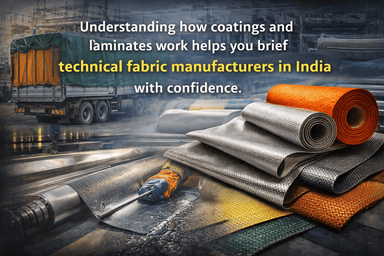
Truck tarps, industrial covers and building membranes all rely on coated or laminated technical fabrics. The right system can double service life and cut maintenance costs, while the wrong one fails early. Understanding how coatings and laminates work helps you brief technical fabric coating specialists and leading technical fabric manufacturers in India with confidence, ensuring you get a fabric that matches real-world conditions.
Why Coated And Laminated Technical Fabrics Matter For Local Industry
Across logistics, construction and agriculture, coated technical fabrics protect assets from rain, sun and abrasion. Local users rely on them for truck covers, warehouse curtains, flexible ducts and temporary roofing. When a cover fails, loads are damaged and downtime rises. When it lasts, you gain predictable performance and lower total cost over the life of the project.
Coating means spreading a liquid or paste onto a base fabric so it cures into a continuous layer. Lamination means bonding ready made films or membranes onto fabric. Both routes create waterproof and durable surfaces, but they behave differently in weight, flexibility and repair. Buyers should match the build to how the fabric will be used and handled.
Coating choices directly affect service life. A tougher but heavier PVC coated technical fabric may last longer on a truck tarp than a lighter option. Paying slightly more for the right coating or laminate can reduce replacements, labour and downtime, so total project cost often drops even if the fabric price per metre is higher.
Inside The Main Coating Systems Used By Technical Fabric Coating Manufacturers
PVC coated technical fabrics are a workhorse for outdoor use. PVC forms a thick, tough barrier that shrugs off rain, dirt and many chemicals. It is ideal for truck tarps, building facades and tension structures where strength and weldable seams matter. The trade off is extra weight and a stiffer feel, especially in cold weather, compared with lighter coating systems.
PU coating for industrial textiles gives a softer hand and better flexibility. PU can be tuned to allow some breathability while still resisting water. This makes it a strong choice for protective clothing, flexible ducts and covers that must fold and unfold often. It is usually lighter than PVC, though long term outdoor life in harsh sun may be shorter unless UV stabilised carefully.
Silicone coated performance fabrics sit at the premium end. Silicone handles high temperatures, repeated flexing and aggressive chemicals. It is common on glass or aramid fabrics for smoke curtains, conveyor belts and clean room or food contact environments. Coating thickness and add ons such as flame retardants or anti fungal agents change performance. Knife over roll coating and transfer coating are two common methods that control how evenly and deeply the coating sits on the fabric.
Laminated Waterproof Technical Fabrics And How They Are Built
Coated fabrics have a single continuous layer formed directly on the textile. Laminated waterproof technical fabrics instead stack separate layers. A simple way to picture it is bread with spread versus a sandwich. Coating is the spread on the bread. Lamination is building a sandwich of several slices that each add strength, waterproofing or comfort depending on the design.
A typical three layer laminate for roofing covers might use an outer woven polyester for strength, a central waterproof or breathable membrane and an inner protective layer for abrasion or aesthetics. Each layer is chosen for a specific job, so you can fine tune weight, flexibility and barrier performance. This approach is common in advanced building membranes and protective structures.
Bonding methods matter. Hot melt lamination uses molten adhesive to join layers quickly and cleanly. Flame lamination briefly softens a foam or polymer layer so it bonds without extra glue. These choices affect seam strength and resistance to delamination. Strong adhesion is vital where wind loads or tension are high, such as large roofs or facade panels.
Durability Testing For Coated Fabrics And What Buyers Should Ask For
Durability testing turns lab numbers into real world confidence. Hydrostatic head testing measures how much water pressure a fabric can resist before leaking, often in millimetres. Higher values mean better waterproofing for tarps and roofs. Martindale abrasion testing counts how many rubbing cycles the surface survives, which links directly to how long a cover lasts on a busy haul route.
UV resistance testing exposes samples to intense light to predict how many seasons of sun they can handle before cracking or fading. Adhesion strength testing checks how firmly the coating or laminate bonds to the base fabric. Strong adhesion prevents peeling and delamination on truck covers, building membranes and tension structures that move in the wind.
When you review a technical data sheet, focus on hydrostatic head, abrasion cycles, UV hours and adhesion values rather than only fabric weight. Ask technical fabric coating manufacturers for recent test reports and for guidance on which numbers suit your climate and duty cycle. A short checklist of questions and clear project details will help them recommend the best coating or laminate for your next order.
Conclusion
Coated and laminated technical fabrics are the quiet backbone of many local industries. Choosing between PVC, PU and silicone coatings or laminated waterproof stacks is easier when you understand how each system handles water, sun, heat and flexing. Test data then confirms that the fabric will stand up to your real world conditions and service life targets.
If you are planning new truck tarps, industrial covers or building membranes, share your temperature range, exposure, handling and lifespan goals with a specialist. Ask for coating or lamination options, test reports and sample swatches. With the right partner and clear project details, you can secure a durable fabric solution that protects assets and reduces long term costs.
FAQs
How do I choose between PVC PU and silicone coating for my industrial fabric project
Start with environment and temperature, then handling and lifespan. PVC suits heavy outdoor use like truck tarps and building membranes. PU works well where flexibility, lighter weight and possible breathability matter. Silicone is best for high heat, chemical exposure or clean environments. Share conditions and performance targets with your supplier so they can match the coating system.
What is the difference between coated and laminated waterproof technical fabrics
Coated fabrics have a liquid or paste spread directly onto the base textile, which cures into a single continuous layer. Laminated waterproof technical fabrics bond separate films or membranes onto the fabric using heat or adhesive. Coated options are often simpler and robust, while laminates allow multi layer stacks that fine tune strength, waterproofing, breathability and comfort.
Which durability tests matter most for truck covers and outdoor industrial tarps
For truck covers and outdoor tarps, focus on hydrostatic head for waterproofing, Martindale abrasion testing for wear resistance, UV resistance testing for sun exposure and adhesion strength testing to avoid peeling. Together these tests indicate how many seasons of weather, rubbing and flexing the fabric can handle before performance drops or visible damage appears.


 Lki Consulting UK
 DXB APPS