David Blair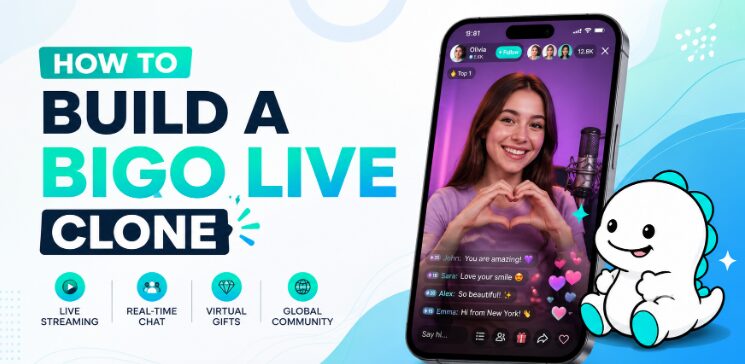
The way people consume content has changed dramatically over the past decade. Short videos, live interactions, and real-time engagement have become the foundation of digital entertainment. Among these formats, live streaming has emerged as one of the most powerful tools for building communities and monetizing attention.
Platforms like Bigo Live have demonstrated how scalable and profitable live streaming ecosystems can be when designed well. This has encouraged many entrepreneurs and startups to explore building their own platforms. However, simply replicating an existing product is not enough. The real challenge lies in creating a Bigo Live Clone that offers a superior user experience, better engagement, and a clear market position.
This article explores how businesses can strategically plan, design, and develop a live streaming platform that stands out in a competitive landscape.
Understanding Why Live Streaming Platforms Are in Demand
Before building any digital product, it is important to understand why users need it in the first place.
Live streaming has evolved from a niche feature into a mainstream digital behavior. Users now prefer real-time content because it feels more authentic, interactive, and engaging compared to pre-recorded videos.
Some key reasons behind this demand include:
- Users want real-time interaction with creators
- Influencers prefer direct audience engagement without algorithm barriers
- Brands are using live sessions for product launches and promotions
- Gamification and gifting systems make viewing more engaging
- Mobile internet penetration has made live content easily accessible
Because of this growing demand, businesses are actively exploring how to build an app like Bigo that can capture attention and retain users over time.
What Makes a Successful Live Streaming Platform
A successful streaming platform is not just about video broadcasting. It is a combination of technology, engagement mechanics, and monetization strategies working together.
When planning a Bigo Live Clone, it is essential to focus on the following pillars:
1. Seamless Real-Time Streaming
At the core of any live streaming app is its ability to deliver smooth video without lag or buffering. Even a delay of a few seconds can impact user experience.
Key requirements include:
- Low-latency streaming architecture
- Adaptive bitrate streaming for different internet speeds
- High-definition video support
- Stable performance during peak traffic
2. Interactive User Engagement
Unlike traditional video platforms, live streaming thrives on interaction. Users expect to communicate while watching content.
Important features include:
- Live chat during streams
- Reactions such as likes, emojis, or stickers
- Polls and Q&A sessions
- Multi-user live rooms
These features transform passive viewers into active participants.
3. Creator-Centric Ecosystem
A strong platform always supports content creators. Without creators, there is no content.
A well-designed system should offer:
- Easy onboarding for streamers
- Revenue-sharing models
- Analytics dashboards
- Incentives for consistent streaming
This encourages creators to stay active and grow within the platform.
4. Monetization Capabilities
Monetization is a major reason businesses invest in building a live streaming platform.
Common models include:
- Virtual gifting systems
- Paid subscriptions or memberships
- Advertisement integration
- Paid live events or exclusive content access
A balanced monetization model ensures both creators and platform owners benefit.
Choosing the Right Development Approach
One of the most important decisions in this journey is selecting how the platform will be built. Businesses usually choose between a ready solution or custom development.
Ready-Made Live Streaming Solutions
A ready-made live streaming app is a pre-built system that can be customized and launched quickly.
Advantages:
- Faster time to market
- Lower initial investment
- Pre-tested core functionality
- Suitable for startups validating ideas
Limitations:
- Limited flexibility in design and features
- Difficult to differentiate from competitors
- Dependency on vendor updates
This approach works well for businesses that want to test the market quickly before scaling.
Custom App Development
Custom development involves building the platform from scratch with full control over features, design, and architecture.
Advantages:
- Complete customization
- Unique feature set
- Better scalability
- Strong brand identity
Challenges:
- Higher cost
- Longer development timeline
- Requires experienced technical team
Partnering with an experienced app development company can help balance technical complexity and business goals.
Core Architecture Behind a Scalable Streaming App
A live streaming platform requires a strong technical foundation to handle real-time data and large audiences.
Key components include:
Backend Infrastructure
The backend manages user authentication, streaming sessions, and data processing. Technologies like Node.js, Python, or Go are commonly used.
Streaming Protocols
Protocols such as WebRTC or RTMP ensure smooth real-time video delivery with minimal delay.
Cloud Infrastructure
Cloud platforms like AWS or Google Cloud provide scalability, storage, and global content delivery.
Database Systems
Databases store user data, chat history, stream records, and monetization transactions.
A well-architected system ensures the platform remains stable even during heavy traffic spikes.
Designing a User Experience That Stands Out
In a competitive market, user experience can be the deciding factor between success and failure.
Key UX principles include:
Simplicity
Users should be able to start or join a live stream within seconds.
Responsiveness
The interface must adapt smoothly across mobile, tablet, and web platforms.
Engagement Focus
Features like trending streams, recommendations, and discovery feeds help users find relevant content quickly.
Personalization
AI-based recommendations can improve user retention by showing relevant streams based on behavior.
A strong UX ensures users stay longer and return frequently.
Monetization Strategies That Drive Growth
Sustainable revenue models are essential for long-term success.
Here are effective monetization approaches:
Virtual Currency Systems
Users purchase virtual coins and use them to send gifts to streamers. This is one of the most widely used models in live streaming platforms.
Subscription Models
Users pay for premium access, ad-free experience, or exclusive content.
Brand Collaborations
Brands can sponsor streams or collaborate with influencers for promotions.
In-App Advertising
Ads can be integrated in non-intrusive ways such as banners or rewarded ads.
A combination of these strategies ensures diversified income streams.
Role of On-Demand App Development
Modern businesses increasingly rely on on-demand app development services to build scalable digital platforms.
This approach allows companies to:
- Quickly adapt to market changes
- Scale features based on demand
- Integrate third-party services easily
- Focus on business strategy rather than technical complexity
It is especially useful for startups entering competitive markets like live streaming.
Marketing and User Acquisition Strategy
Even the best platform will fail without users. A strong launch strategy is essential.
Effective approaches include:
- Influencer partnerships to attract initial users
- Social media campaigns on platforms like Instagram and TikTok
- Referral programs to encourage organic growth
- Early beta access to build anticipation
- Content marketing focused on live streaming trends
Building an active community early helps create long-term momentum.
Challenges in Building a Live Streaming Platform
While the opportunity is strong, there are also challenges:
High Competition
The market already has established players, so differentiation is critical.
Technical Complexity
Real-time video streaming requires strong infrastructure and optimization.
User Retention
Keeping users engaged requires continuous innovation and content quality.
Content Moderation
Ensuring safe and appropriate content is essential for platform reputation.
Addressing these challenges early helps avoid long-term issues.
Future of Live Streaming Platforms
The live streaming industry is expected to evolve significantly in the coming years.
Some emerging trends include:
- AI-driven content discovery
- Virtual and augmented reality streaming experiences
- Shoppable live streams combining e-commerce and entertainment
- Advanced analytics for creators to optimize performance
- Community-driven micro-streaming platforms
Businesses that plan ahead for these changes will be better positioned for long-term success.
Conclusion
Building a successful Bigo Live Clone is not just about replicating an existing platform—it is about creating a differentiated, engaging, and scalable ecosystem that meets modern user expectations.
From choosing the right development approach to designing interactive features and implementing sustainable monetization strategies, every decision plays a role in the success of the platform.
Whether using a ready-made solution or investing in custom development through an experienced app development company, the focus should always remain on delivering value to users and creators.
In a fast-growing digital landscape, the platforms that succeed are those that innovate, adapt, and prioritize user experience above all else.


 Thatware LLP
 Denpro Technologies