Rahul Kumar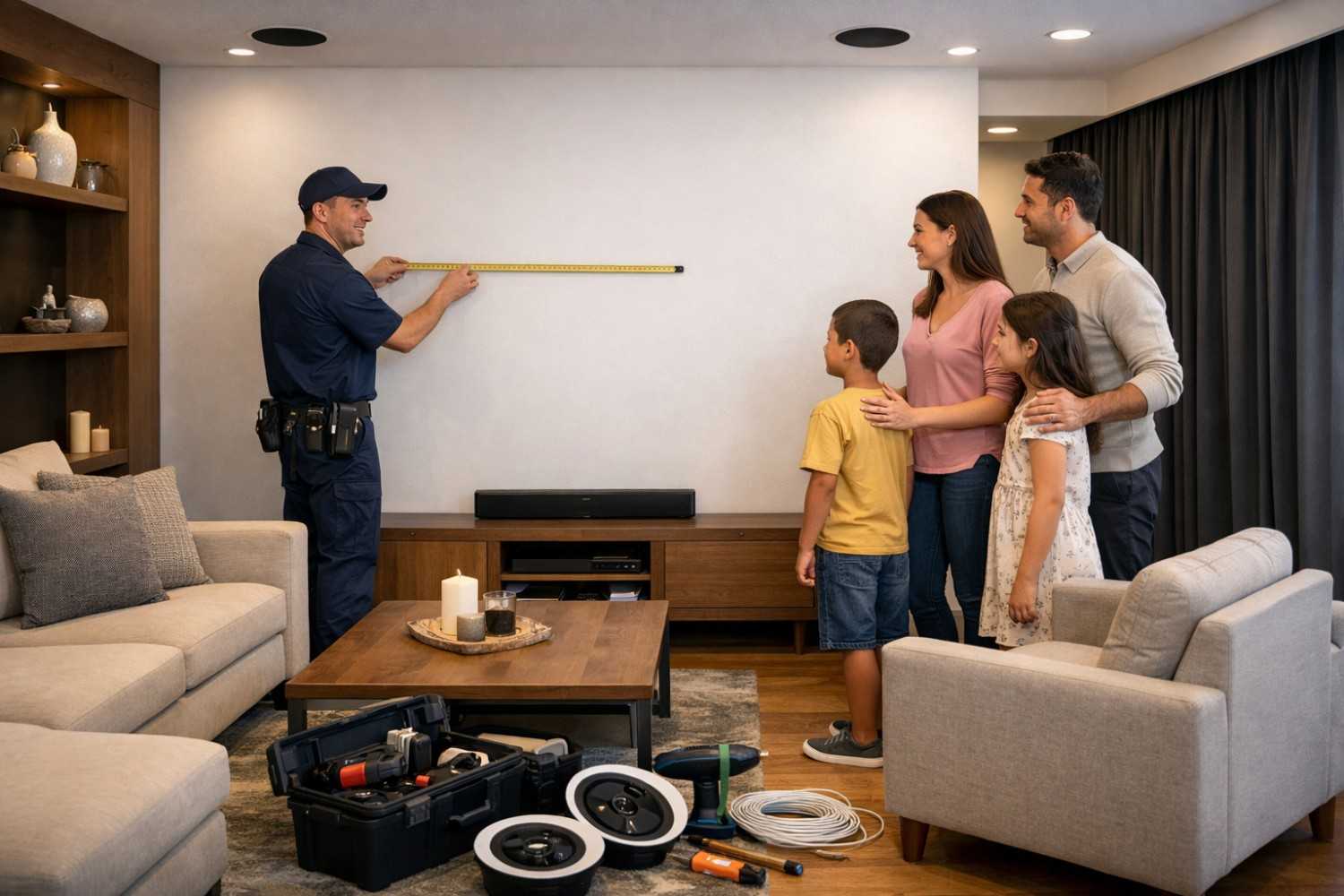
A good home theatre starts with proper room preparation. Before installing speakers, a projector, or a television, it is important to prepare the space carefully. Home Theatre Solutions in Dubai are designed for different room sizes and layouts, but the quality of the experience also depends on how well the room is planned. A few simple changes can improve sound, picture quality, comfort, and overall performance.
Choose the Best Room
The first step is selecting the right room for your home theatre. A room with fewer windows is often a better choice because it is easier to control light. A quiet room away from busy areas of the house also helps reduce unwanted noise.
Think about the shape of the room as well. A room that is not too narrow or too wide usually gives better sound. If possible, choose a room where you have enough space for comfortable seating and proper speaker placement.
Measure the Room Carefully
Before buying any equipment, measure the room correctly. Check the length, width, and height of the space. These measurements help determine the ideal screen size and speaker locations.
Accurate measurements also make it easier to plan cable routes and furniture placement. Taking a little time to measure everything can help avoid changes later during installation.
Plan the Screen Position
The screen should be placed where everyone can watch comfortably. Avoid placing it directly opposite large windows because sunlight can reduce picture quality.
The center of the screen should usually be close to eye level when people are seated. If you are using a projector, make sure there is enough distance between the projector and the screen for a clear image.
Leave enough space around the screen for speakers and other equipment if needed.
Arrange Comfortable Seating
Comfort is an important part of every home theatre. Choose seating that allows everyone to see the screen without blocking another person’s view.
Leave enough walking space between rows if you have multiple seats. Keep a comfortable viewing distance based on the screen size. Sitting too close or too far can reduce the viewing experience.
Soft chairs or recliners can make long movie sessions more enjoyable.
Improve Room Lighting
Lighting has a direct effect on picture quality. Bright lights and sunlight can create reflections on the screen. Using curtains or blackout blinds helps control natural light during the day.
Soft wall lights or dimmable lighting are good choices because they provide enough light without affecting the screen. Avoid placing bright lights directly above or behind the screen.
Simple lighting changes can make movies look clearer and more enjoyable.
Think About Sound Quality
Sound is one of the most important parts of a home theatre. Hard surfaces like glass, tiles, and empty walls can create echoes. Adding carpets, curtains, and fabric furniture helps absorb extra sound.
Bookshelves and decorative wall panels can also improve sound by reducing reflections. These small changes create clearer audio without making the room look different.
Planning the room for better sound before installation often gives better results.
Prepare Power and Cable Connections
Every home theatre system needs several power outlets. Plan where each device will be placed before installation. This includes the television, projector, speakers, media player, gaming console, and internet equipment.
Try to hide cables behind furniture or inside cable covers. Keeping cables organized makes the room look cleaner and also improves safety by reducing trip hazards.
Leave extra outlets available if you decide to add more devices later.
Keep Enough Airflow Around Equipment
Electronic equipment produces heat while operating. Without proper airflow, devices may become too hot.
Leave space around amplifiers, receivers, gaming consoles, and media players so air can move freely. Avoid placing equipment inside completely closed cabinets unless ventilation is available.
Good airflow helps equipment work properly and may increase its lifespan.
Plan for Future Upgrades
Technology changes over time, so it is helpful to prepare your room for future improvements. Leave some extra space for additional speakers, storage devices, or smart home features.
Running extra cables during the initial setup can also make future upgrades much easier. Even if you do not need them now, having them available saves time later.
Planning ahead keeps the room flexible for future changes.
Keep the Room Clean Before Installation
Before installers arrive, remove unnecessary furniture and decorative items from the work area. Clean floors and walls so equipment can be installed safely.
A clean room gives installers enough space to work efficiently and reduces the chance of dust entering electronic equipment during installation.
Organizing the room before installation also makes the process smoother from start to finish.
Preparing your room before installation helps create a better viewing and listening experience. Careful planning for seating, lighting, sound, cables, ventilation, and screen placement can improve the final result without making major changes later. Whether the room is large or small, proper preparation supports the performance of Home Theatre Solutions in Dubai and helps every movie, sports event, or family gathering become more enjoyable.


 Robert Miller
 Alessandra Conti