Patel Heaters and Control Pvt Ltd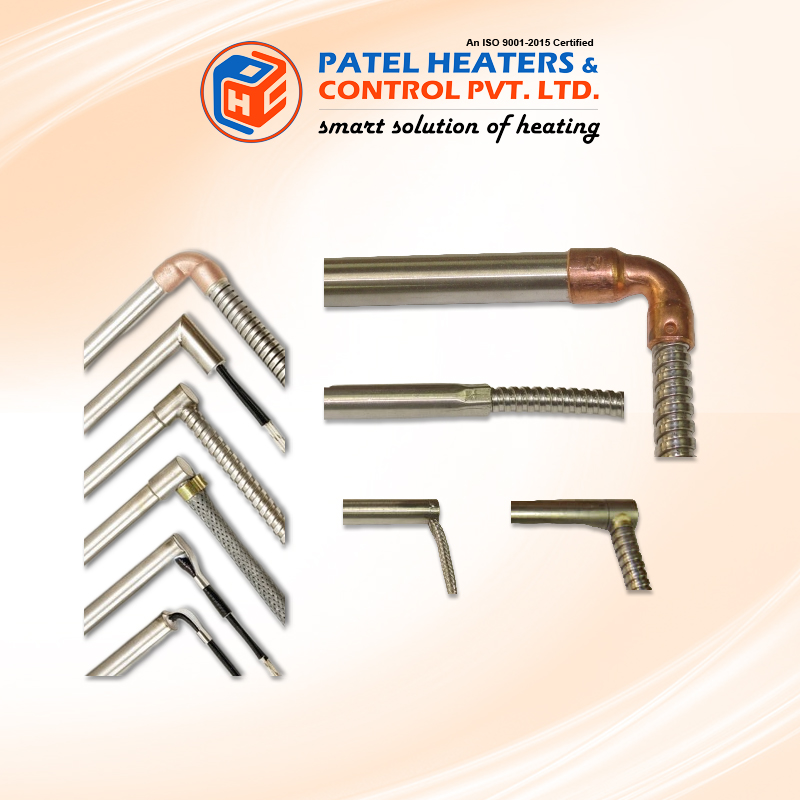
A Cartridge Heater can be performing perfectly inside the bore it is heating and still fail because of something happening outside it. The leads, the wires carrying power to the heater, are exposed to whatever environment the equipment operates in. Moisture, chemicals, oil, and abrasion all take their toll on unprotected leads, and a failure there takes the whole heater out of service just as effectively as a failure inside the heating element itself.
The good news is that lead protection is something you specify upfront, not something you fix after the fact. This post covers why lead damage happens and what construction options actually protect against it.
Why Lead Protection Gets Overlooked
Most of the attention when specifying a cartridge heater goes to wattage, diameter, and length, the parameters that determine whether it will actually deliver the right amount of heat to the application. Lead construction often gets treated as an afterthought, a detail to sort out once the heating performance is settled.
That is backwards in environments where the leads are exposed to moisture or chemicals. A heater that heats perfectly but has leads that degrade within months is not actually solving the problem it was bought for. Lead protection needs to be part of the initial specification, matched to the actual operating environment, not added as a fix after the first failure.
What Damages Cartridge Heater Leads
- Moisture is one of the most common culprits, particularly in food processing, packaging, and any application involving washdown or humid conditions. Moisture finding its way into the lead insulation or connection points leads to short circuits, corrosion, and gradual insulation breakdown.
- Chemical exposure affects leads in plastic processing, chemical manufacturing, and similar environments where the heater operates near solvents, oils, or process chemicals. Standard insulation is not designed to resist every chemical it might contact, and the wrong material choice leads to insulation degrading or cracking over time.
- Abrasion and mechanical damage happen when leads pass through tight metal apertures, rub against moving components, or flex repeatedly during operation. Bare or lightly insulated leads wear through in exactly these conditions, exposing the conductor underneath.
- Heat exposure near the heater exit is its own challenge. The wire closest to the sheath experiences higher temperatures than the rest of the lead run, which is why standard low-temperature insulation is not suitable directly at the exit point.
Lead Construction Options and What They Protect Against
Crimped-on leads use high-temperature MGT wire joined to solid nickel pins through a double crimp connection. This handles high-temperature applications well, but because the pins are solid, it is not suited to movement, flexing, or sharp bends right at the heater exit.
Swaged-in leads are internally connected and swaged using the same high-temperature MGT wire. This allows some bending at the exit point and tolerates slight flexing, making it more practical than crimped leads where the lead has to route around other components.
Stainless steel braid adds a protective braided layer over the MGT wire. This protects against scratches and sharp edges along the lead run and provides full-length flexibility, suiting installations where leads pass through metal apertures or route alongside other metal components.
Stainless steel armored cable, also called a hose construction, wraps the wire in a stainless steel hose. This is the strongest protection in the standard range and performs well where leads face scratching, damage, or ongoing movement.
Right-angle configurations, available in fiberglass, stainless steel braid, or armored versions, route the lead exit at a right angle to the sheath instead of straight out. Useful where installation space is limited and a standard straight exit will not fit.
Teflon end seals provide oil and water resistance up to 250°C, using a Teflon plug and leads swaged in place. This addresses moisture and light chemical exposure specifically at the termination point rather than along the full lead run.
Matching Lead Protection to the Actual Environment
The right cartridge heater lead construction depends entirely on what the heater will be exposed to and how the leads need to move or route during operation.
For applications with washdown cycles, humidity, or occasional liquid exposure, a Teflon end seal combined with appropriately rated lead insulation addresses the moisture concern directly at the most vulnerable point, the termination.
For applications where leads need to pass through metal panels or route alongside moving machinery, stainless steel braid construction provides the abrasion resistance and flexibility that combination requires.
For the most demanding combination of movement, abrasion, and potential damage, stainless steel armored cable offers the highest level of protection available, at the cost of being a bulkier and somewhat less flexible option than braid alone.
For installations with tight space constraints, right-angle lead configurations solve a routing problem that no amount of additional protection on a straight lead exit can fix.
Specifying the wrong combination, choosing crimped leads for an application involving regular flexing, for example, results in lead failure that has nothing to do with the heating element and everything to do with a mismatch between the lead construction and how the heater is actually installed and used.
Getting the Specification Right From the Start
A cartridge heater is only as reliable as its weakest point, and in many installations, that weak point is the lead rather than the heating element itself. Matching lead construction to the actual operating environment, moisture, chemicals, abrasion, movement, or some combination of all of them is what keeps the whole heater performing reliably over its working life.
Patel Heaters and Control Pvt. Ltd. has been manufacturing cartridge heaters and a full range of industrial heating solutions from Vadodara, Gujarat, since 1982. The range includes multiple lead construction options, internal thermocouples, and custom watt density configurations to suit specific application requirements. Get in touch with the team with your installation details, and they will help identify the right lead protection for your environment.
Frequently Asked Questions
Q: Can lead protection be added after a cartridge heater is installed if leads start failing?
A: In some cases, but it is far less practical than specifying the right cartridge heater lead construction from the start. Retrofitting protection like armored cable onto an existing installation often requires accommodating a bulkier lead than the original installation was designed for. Specifying the correct lead construction during initial ordering avoids this problem entirely.
Q: How do I know if my application needs stainless steel braid versus armored cable?
A: It comes down to the severity of abrasion or movement involved. Braid construction handles routing through apertures and along metal components with good flexibility. Armored cable is the stronger option for applications where leads face more aggressive scratching, repeated heavy movement, or higher risk of physical damage. If there is doubt about which level of protection is needed, describing the installation environment in detail when ordering helps identify the right choice.
Q: Does Teflon end seal protection work for all chemical exposure, not just moisture?
A: Teflon end seals are rated for oil and water resistance up to 250°C, which covers many common exposure scenarios, but chemical compatibility depends on the specific chemicals involved. For applications with aggressive or unusual chemical exposure, confirming compatibility with the manufacturer before specifying avoids assuming Teflon protection extends to chemicals it was not tested against.
Q: What happens if the wrong lead construction is used in a flexing application?
A: Crimped leads with solid nickel pins are not designed for repeated flexing. Used in that kind of application, the solid pin connection is prone to fatigue and eventual failure at the crimp point. Swaged-in leads or braid construction, both designed with some flexibility in mind, are the appropriate alternatives for any installation involving regular movement.
Q: Is a right-angle lead configuration only useful for tight spaces, or does it offer other benefits?
A: Tight space accommodation is the primary benefit, but routing the lead at a right angle to the sheath can also reduce strain on the lead at the exit point in certain installation geometries, compared to forcing a straight lead exit into a bent path immediately outside the heater.


 David James