Mobius Foundation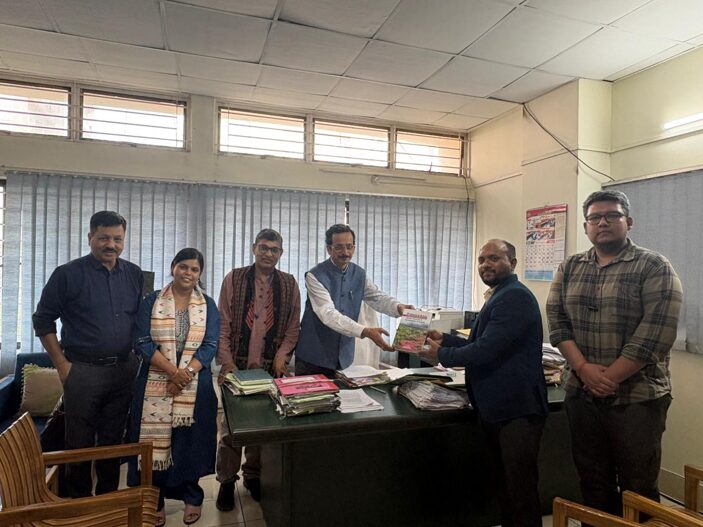
The Himalayas are changing. Glaciers are shrinking, rainfall patterns are becoming unpredictable, and communities that have lived close to the land for generations are now facing challenges they were never prepared for. In the middle of all these changes, something worth noticing is taking shape across Northeast India. Young students are learning to think about their environment differently. Freshly trained graduates are walking into forests with tools and purpose Local communities are beginning to engage in meaningful conversations about water, land, and their future conversations that are leading to real action. Much of this quiet yet steady movement can be tracked back to one initiative: MYCL Mobius Young Climate Leaders for Himalayan Development.
What is MYCL and why does it matter?
MYCL Climate Leaders is a program run by the Mobius Foundation, one of the leading sustainable development NGOs working on the ground in India today. Launched in Nagaland in 2024, the program has since expanded across eight northeastern states: Arunachal Pradesh, Assam, Meghalaya, Mizoram, Manipur, Tripura, and Sikkim.
MYCL’s core idea is simple but vital: you can’t build the future without those who will inherit it. Rather than treating young people as an audience for climate messaging, MYCL treats them as active participants in finding solutions. That’s a meaningful shift.
Learning That Goes Beyond the Classroom
One of MYCL’s most intriguing contributions to environmental sustainability in India is the ‘’Pani-Pahar Curriculum’’. Developed with support from the University of Cambridge, the curriculum has now reached over 112 schools across the region. It combines classroom learning with fieldwork and community engagement, helping students develop a deeper understanding of how their everyday choices are connected to larger issues like biodiversity loss and climate change.
Then there’s the Mobius Green Friday initiative, a weekly waste collection and recycling drive that encourages students to segregate waste at home and in schools. So far, over 2,300 kg of recyclable material has been collected. While this may seem like a small step, its true impact lies in the long-term habits and environmental awareness it is cultivating among thousands of young minds.
Building Skills That Last
Beyond school programs, MYCL also trains young environmental and forestry graduates to become Mobius Young Professionals. These young professionals go on to work in areas such as GIS-based forest mapping, biodiversity documentation, sustainable livelihood initiatives and community engagement. They learn from both science and indigenous knowledge systems that communities across the Northeast have preserved for generations.
This integrated approach, where modern tools and traditional wisdom come together reflects what thoughtful and practical environmental sustainability looks like in action.
The Bigger Picture
India’s Himalayan and northeastern regions are among the most ecologically sensitive zones in the world and also among the most vulnerable to climate change. Glaciers are retreating, rainfall patterns are shifting, forests and wetlands are increasingly coming under stress. The communities living in these regions need support, from people who understand the land and its realities.
That’s where sustainable development NGOs like the Mobius Foundation play a meaningful role. They are not only raising awareness; they are training people, building partnerships with state departments, supporting research, and helping communities to take ownership of their environment.
MYCL is still growing. But what it represents, a youth-led community-rooted initiative grounded in both education and action,.This is exactly the kind of effort that environmental sustainability in India genuinely needs.
To know more about MYCL visit mobiusf.org/mobius-young-climate-leaders-for-himalayan-development-mycl


 Ammar Saleem
 torax service